Le Cronache
One Club, Every Year
The story of AC Milan told the way the great Italian sportswriters told it: one long chronicle for each year since 1899, from the fog of the founding to this morning’s training session. Triumphs and heartaches, presidents and ball boys, the big picture and the small detail of a club whose story is also the city’s. Every fact verified, every photo sourced.
128 chronicles published · more added continually
1899-1908
The Pioneers
1899
Twenty-Five Lire and a Cheerful Round
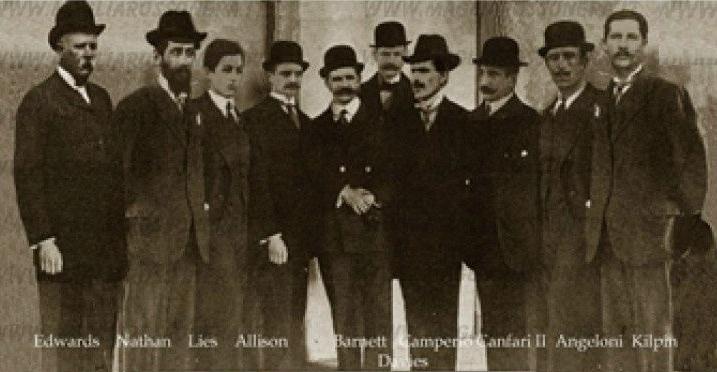
In the last fortnight of the old century, in a hotel room on Piazza della Repubblica, a vice-consul, a butcher's son and some fifty subscribers at twenty-five lire a head invented the Milan Foot-Ball and Cricket Club, and played not a single match. It was enough.
1,825 words · 6 sources
1900
A Medal for a Dead King
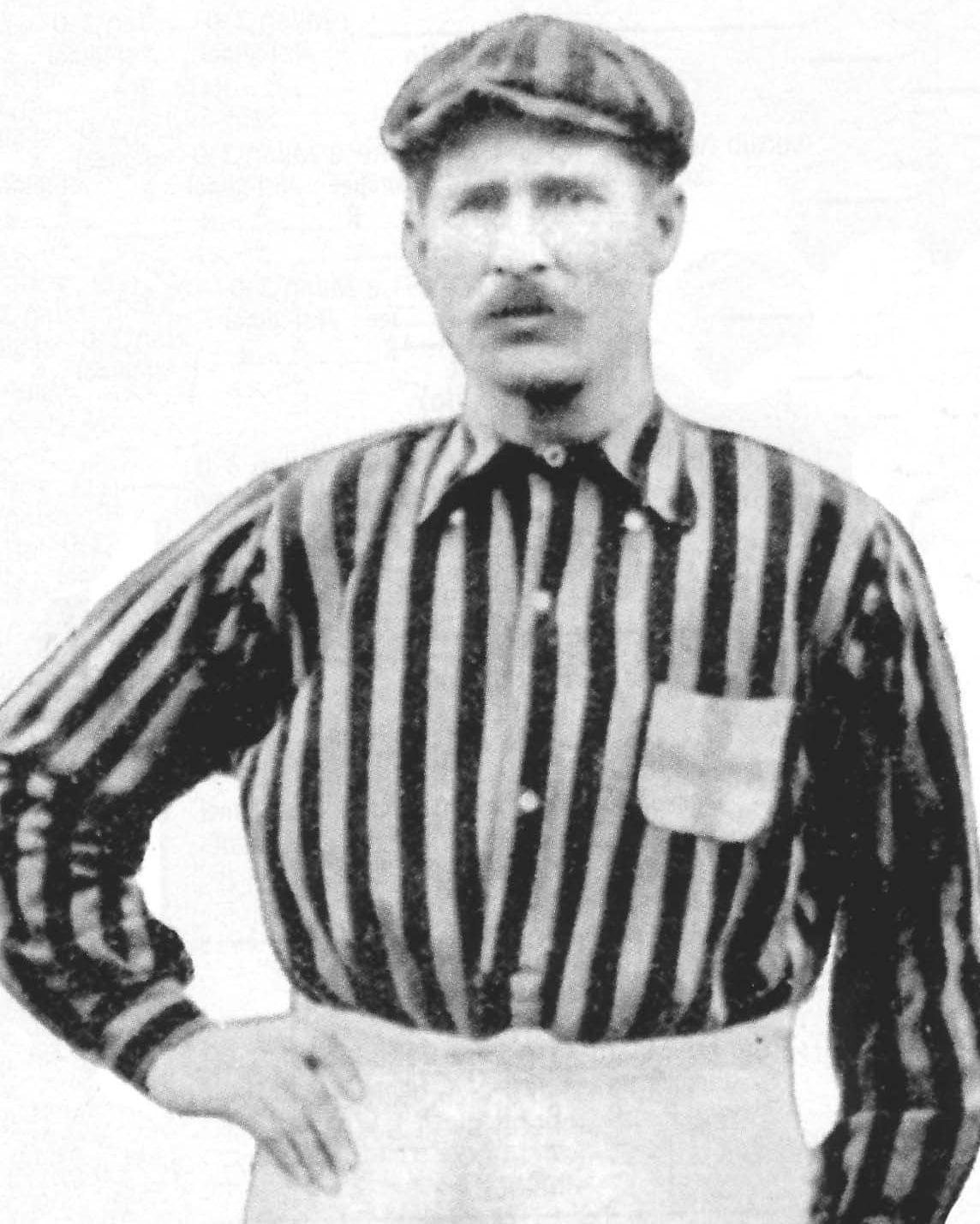
In its first calendar year the Milan Foot-Ball and Cricket Club played three competitive matches, lost the one that mattered to its founder's old employer, won a gold medal named for a king, and watched that king die. Few clubs have compressed so much destiny into so little football.
1,745 words · 10 sources
1901
Third Class to Ponte Carrega
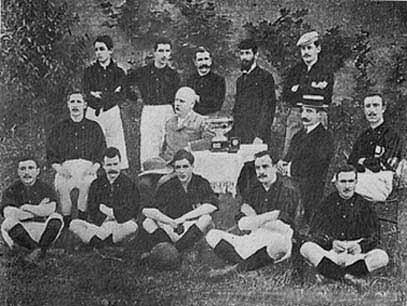
Seventeen months after its founding in a wine shop, Milan rode third class to Genoa, beat the only champions Italy had ever known on their own field, and came home with the Coppa Fawcus: the founding miracle of the rossonero story.
1,952 words · 8 sources
1902
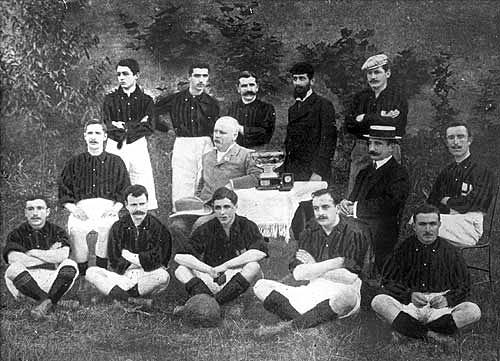
Gold in February, Rain in April
Milan's second year as champions begins with a February of gold, the Medaglia del Re won outright and forever, and ends its championship in the Genoa rain at Ponte Carrega, the club's first heartbreak. Between the two stands Giulio Cederna, the cotton heir who came home to score, and a city quietly filling with rivals.
1,869 words · 10 sources
1903
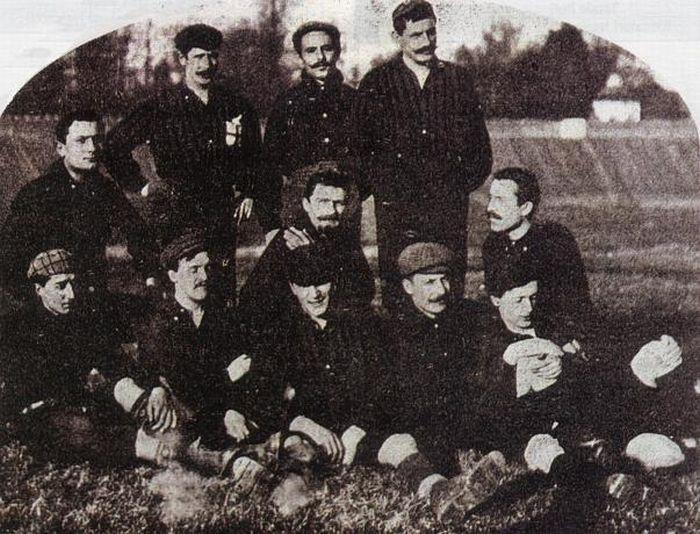
Ninety Minutes and a Thief in the Dark
A championship that lasted ninety minutes, a new home at the beautiful water, thieves who carried off every trophy the club had ever won, and a founder of Juventus who crossed the great divide to wear red and black. Milan's poorest year on paper, and one of its most necessary.
2,525 words · 9 sources
1904
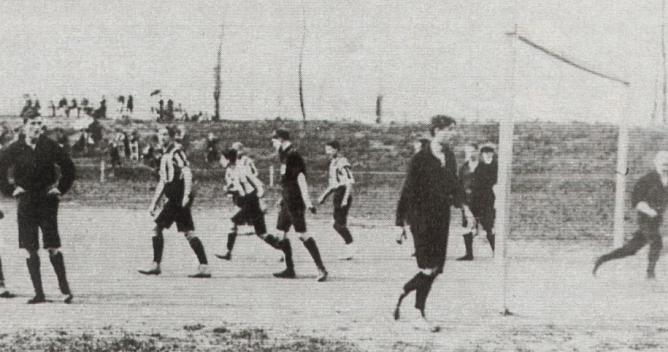
Over the Apennines for the First Time
Beaten for a silver ball in January and broken by Juventus in the March replay, Kilpin's Milan crossed the Apennines for the first time in their life and came home from Florence with a cup, with Enrico Canfari, a founder of Juventus, still in their ranks from March to September.
1,976 words · 8 sources
1905
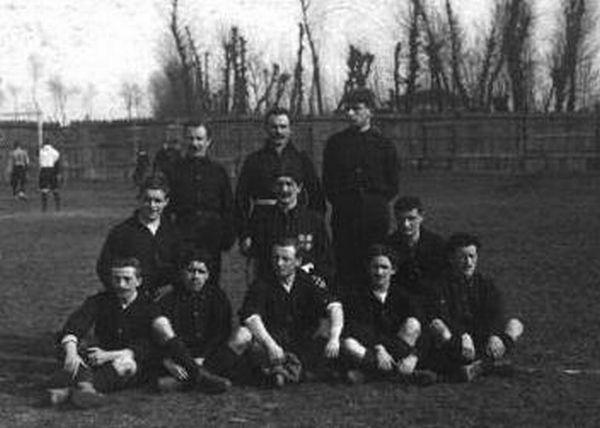
The Chessmen and the Bride from Lodi
The aristocrats of the Acquabella lose a thirteen-goal derby and their championship inside a February week, then answer with six silver balls, a gymnasts' gold, a 20-0, and a bride from Lodi: the year defeat began making Milan Milanese.
2,082 words · 10 sources
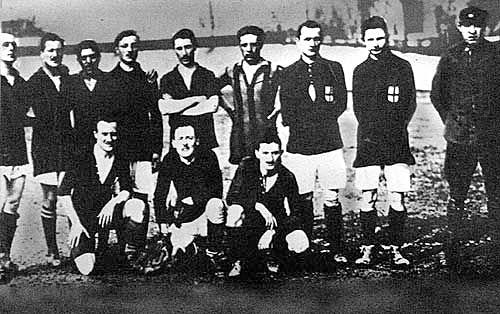
1906
The Honest Net and the Match That Never Was
Milan strings the first nets behind Italian championship goals, moves in between a canal and a cemetery at Porta Monforte, and wins its second title without kicking the decisive ball, because Juventus refused to turn up.
2,128 words · 11 sources
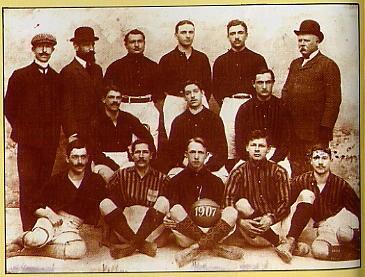
1907
Not One Defeat, and the Founder's Last Goal
Unbeaten champions of Italy for the third time, holders of the silver ball and half the cups of the peninsula, Milan's pioneers lived their greatest year, while Herbert Kilpin said goodbye in four goals and the federation's autumn nationalism planted the seed of a rival.
2,143 words · 9 sources
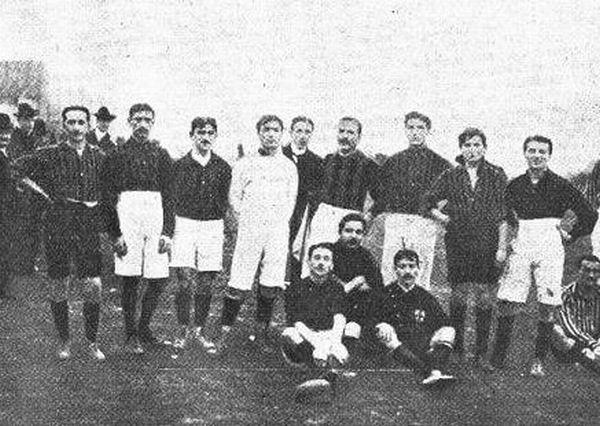
1908
Half Past Eleven at the Orologio
Champions of Italy who declined to defend their crown, Milan spent 1908 losing forty-four members to a restaurant table and their founder to a statute, and answered with a silver ball, a cup kept forever by protest, and the first two derbies in history, both of them won.
2,009 words · 8 sources
1909-1928
Lean Years, Proud Years
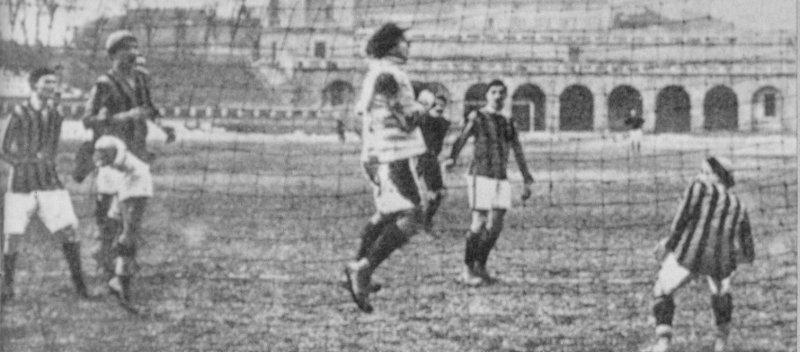
1909
One Sunday for Immortality, One for the Door
Milan win the first official derby della Madonnina and are out of the championship a week later; Alfred Edwards hands the club to Piero Pirelli; and on the opening day of Italy's first national league, a fifteen-year-old left-back begins the season that will have him named the son of God.
2,121 words · 10 sources
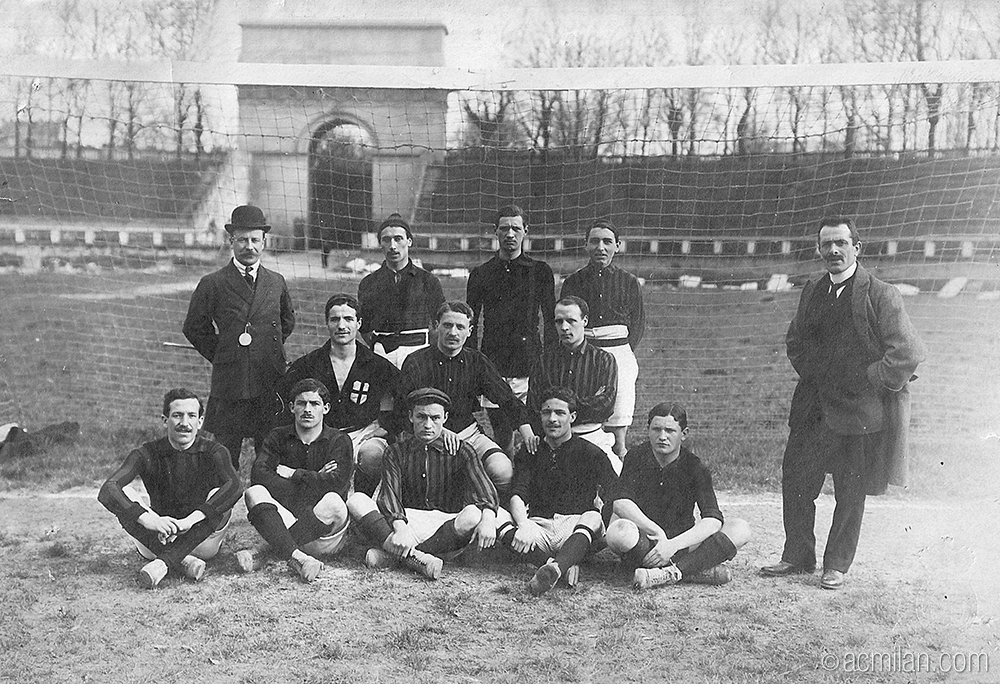
1910
The Thirteenth Minute at the Arena
The worst season of Milan's young life, sixth of nine, ten derby goals swallowed against one returned, redeemed in a single May afternoon when Milan men in borrowed white gave Italy its national team, and closed by a pale Belgian lightning-bolt flashing over Porta Monforte.
2,087 words · 10 sources
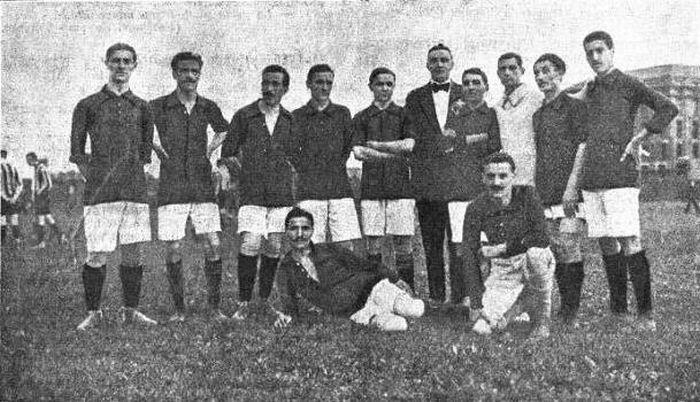
1911
The Cursed Match, Answered from the Spot
Two championships straddled 1911 and Milan finished second in both, behind Pro Vercelli each time: the second by a single point, traced by the club's historians to an own goal from a seventeen-year-old on the season's first afternoon, and answered by the same boy from the penalty spot in the November derby.
2,402 words · 14 sources
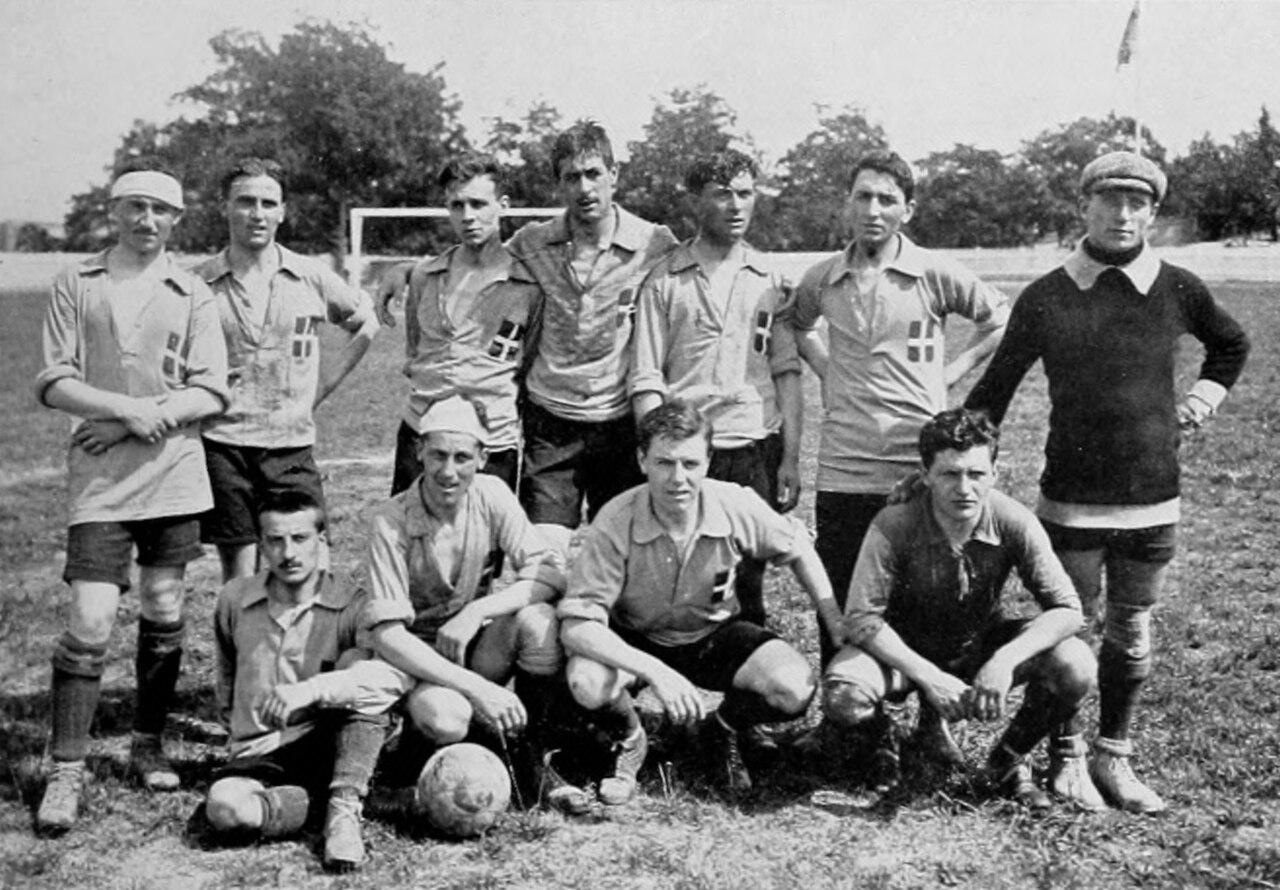
1912
Beaten by the Calendar
Milan passed the whole calendar year without losing a championship match, eleven Sundays, two derbies won, eights and sixes and sevens raining on Porta Monforte, and still ended it poorer: second by a single point in spring, and by autumn the Cevenini brothers had crossed the city, one of them leaving behind the most perfect Milan career ever compiled.
2,498 words · 12 sources
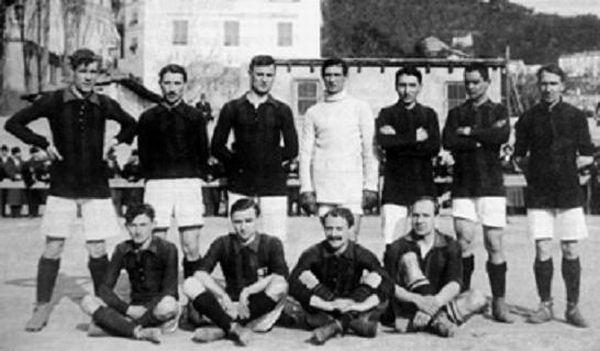
1913
The Price of the Son of God
Milan chased the untouchables of Vercelli through the first truly national championship, then sold Renzo De Vecchi to Genoa in Italian football's first real transfer; and in November a lost son, Aldo Cevenini, came back across the city to decide the derby.
2,486 words · 13 sources
1914
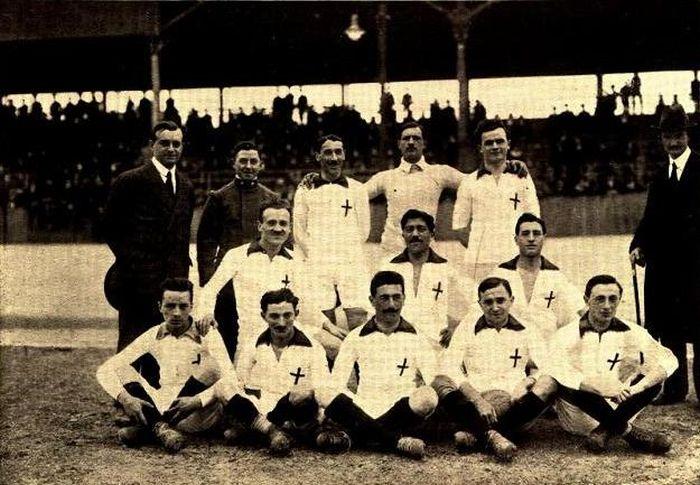
Thirteen Goals on Borrowed Time
Milan frittered away the spring against its own neighbours, moved house to a velodrome, and then produced the finest autumn of its early life, thirteen goals on opening day, nineteen points of twenty, while the city around it talked itself into the war that would take the championship, two vice-presidents, and the boy who scored three on debut.
2,195 words · 10 sources
1915
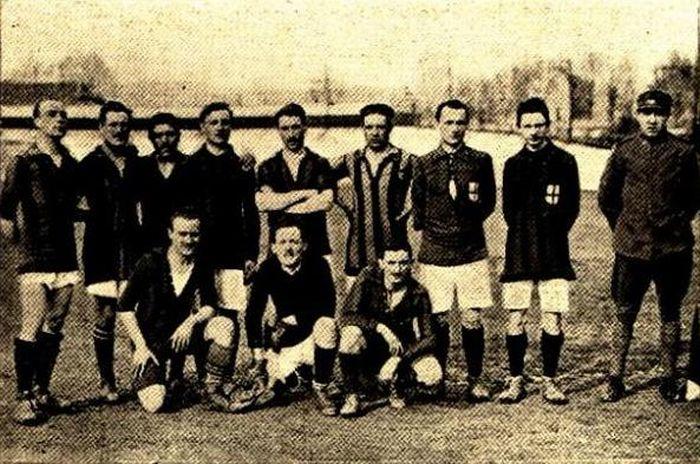
Nine Words and a Mountain
Milan carried an almost perfect autumn to within one Sunday of the finish, and a nine-word telegram took it away. By July the debutant hero of the thirteen was dead on Monte Piana; by December the club was learning to win inside a war.
2,058 words · 11 sources
1916
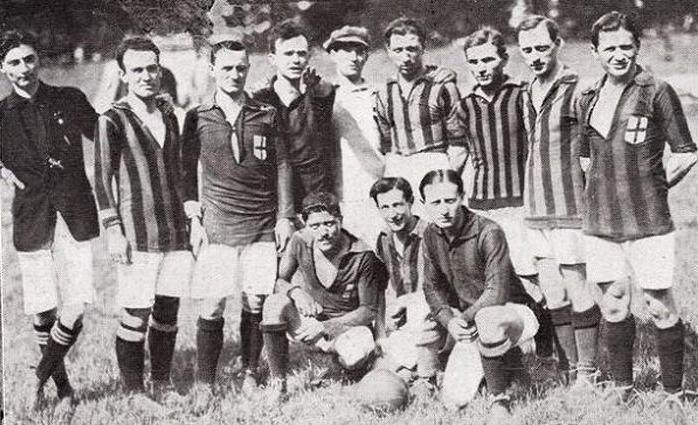
Doves in February, a Cup in April
Bombs fell on Porta Romana in February and the front stood a hundred and fifty kilometres from the city by summer; in between, at the Velodromo Sempione, Milan won its first tournament in nine years, a wartime cup the federation never counted as a title, sealed by the prodigal Cevenini's ninetieth-minute penalty, before winter closed over Van Hege's farewell.
2,301 words · 14 sources
1917
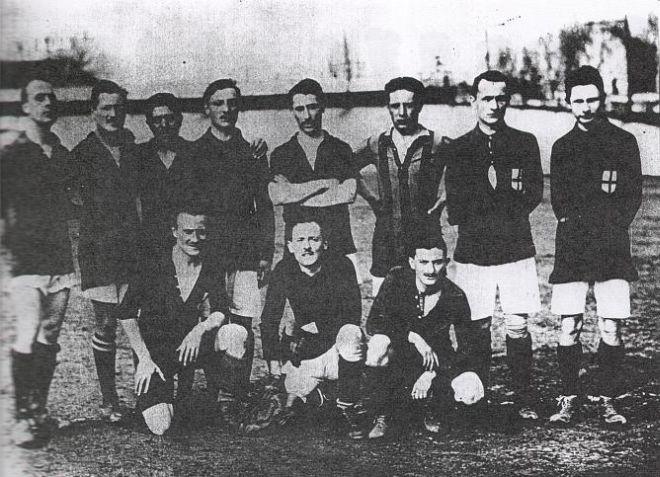
The Redoubt and the Velodrome
Italy fell back from Caporetto and Milan buried a defender who would not surrender at 2,147 metres; the football, locked behind the Velodromo's gates, kept winning anyway: a Lombard crown nobody ever handed over, and a captain named Cevenini carrying four brothers and a wounded city on his back.
2,124 words · 10 sources
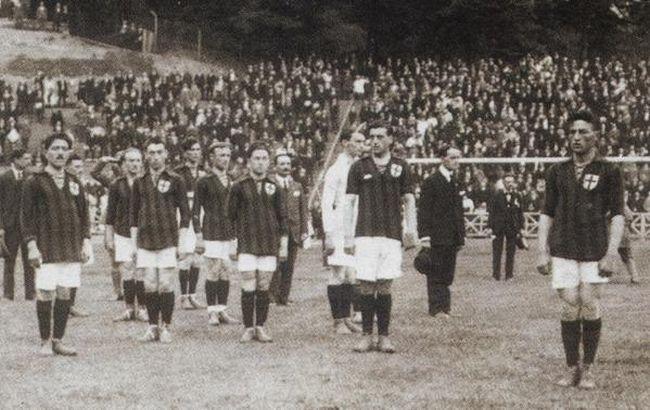
1918
Five Brothers and a Locked Gate
In a velodrome locked by prefectural decree, one Milanese family won the derby 8-1, still the widest margin ever recorded, while Italy climbed from the Piave to Vittorio Veneto to peace; by December the trains ran again, and Milan went to Genoa to play football.
2,451 words · 14 sources
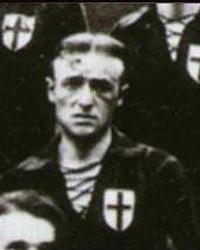
1919
Cutting the Cricket Loose
The last wartime cup slips away to Legnano even as Milan win both derbies; the club cuts the cricket from its 1899 name; three Cevenini brothers leave for Internazionale; an airman-goalkeeper dies in the peace he helped win; and in the autumn the championship returns, and Milan win all ten.
2,219 words · 9 sources
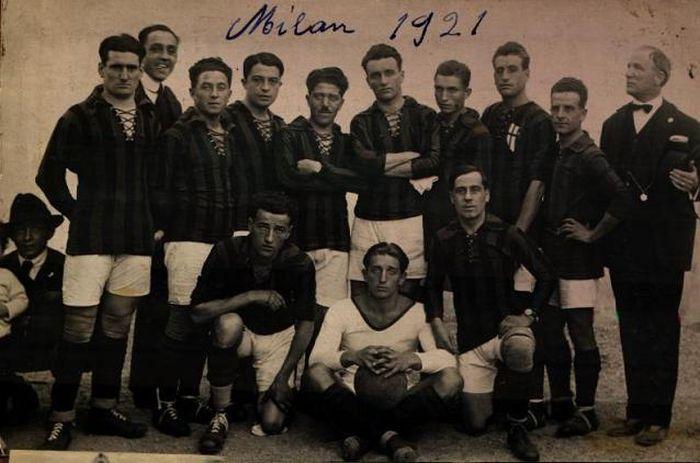
1920
The Frost Above the Treeline
The autumn's ten wins bought only the right to climb higher, and above the treeline Milan froze: beaten twice by Genoa, thrashed at Vercelli, fourth of six and eliminated, while the club moved into a concrete-boned new home on Viale Lombardia and watched the first post-war scudetto go to Inter, lifted by its own departed captain, with an ageing ex-Casale forward named Amedeo Varese scoring the goals of his life all the way down.
1,893 words · 7 sources
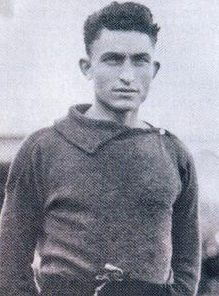
1921
Nought to Five, Then the Reply
Milan finished one championship in spring and began a breakaway one in autumn, while Italian football tore itself deliberately in two; ninth place and a silver shoe were thin reward, but a twenty-year-old called Pin had arrived, five goals down and unbowed.
2,218 words · 7 sources
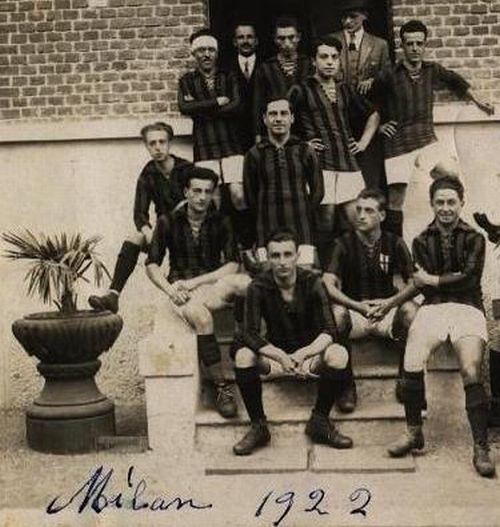
1922
Two Italies, One Touchline
Italian football split itself in two and was stitched back together by a newspaperman; Mussolini marched on Rome; and in November, almost unnoticed, Milan made the most modern decision of its young life: it hired a coach, a Viennese the papers knew only as Ferdi.
1,823 words · 8 sources
1923
The Club That Met in a Beer-Hall
No trophy, no tragedy: between Genoa's perfection and its own café-table amateurism, Milan drifted through 1923 on a season of ten draws, one abandoned afternoon in Bologna, its first professional trainer, and a local boy with an intoxicating dribble who made the grey worth watching.
1,930 words · 9 sources
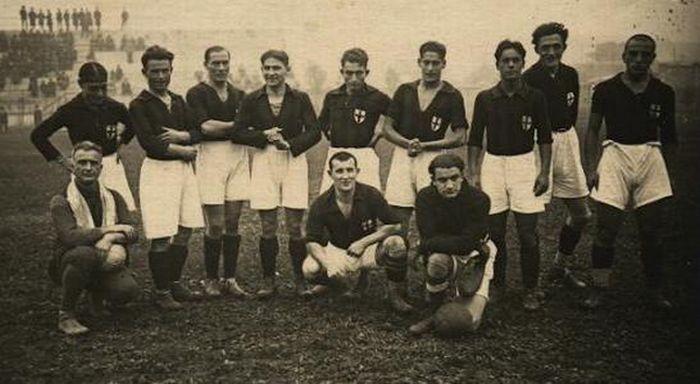
1924
A Desk at Pirelli, a Bench at Milan
In a single calendar year Milan finished eighth twice and handed its bench to a grieving man named Vittorio Pozzo, an employee of its own president, while beyond the touchline Italy itself was being taken by the throat.
1,943 words · 8 sources
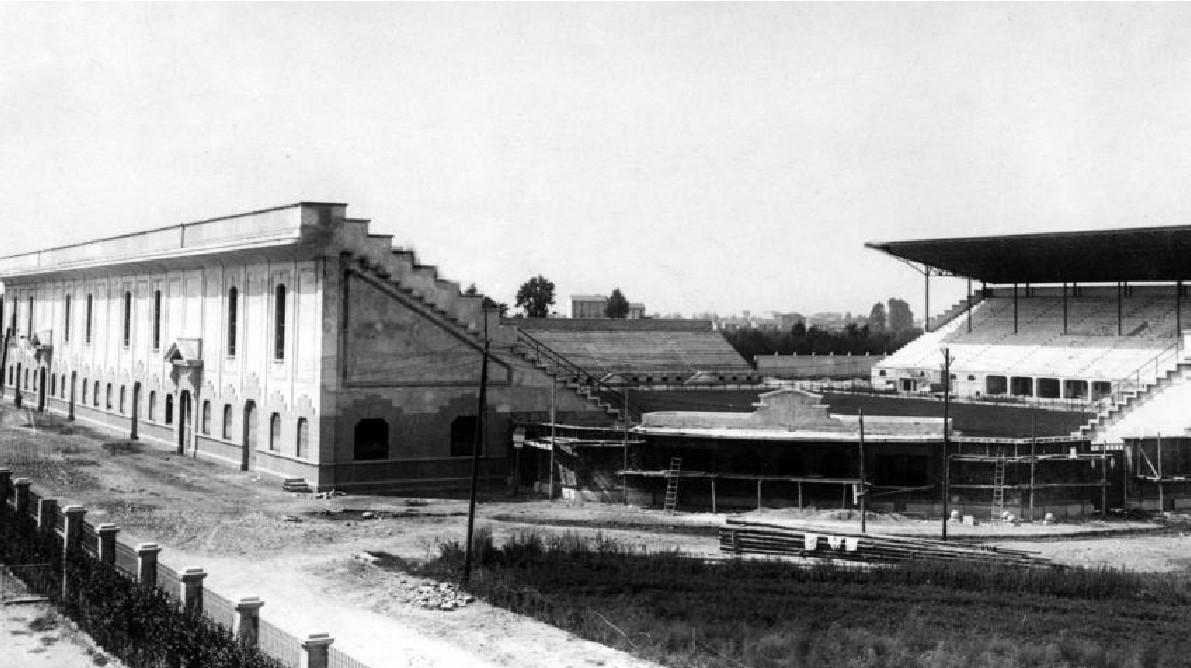
1925
Five Million Lire in the Mud
While Italy hardened into dictatorship and Vittorio Pozzo's Milan sank to a six-goal humiliation in Turin, Piero Pirelli broke ground beside the San Siro racecourse: a lean year that quietly poured the foundations of everything.
1,647 words · 11 sources
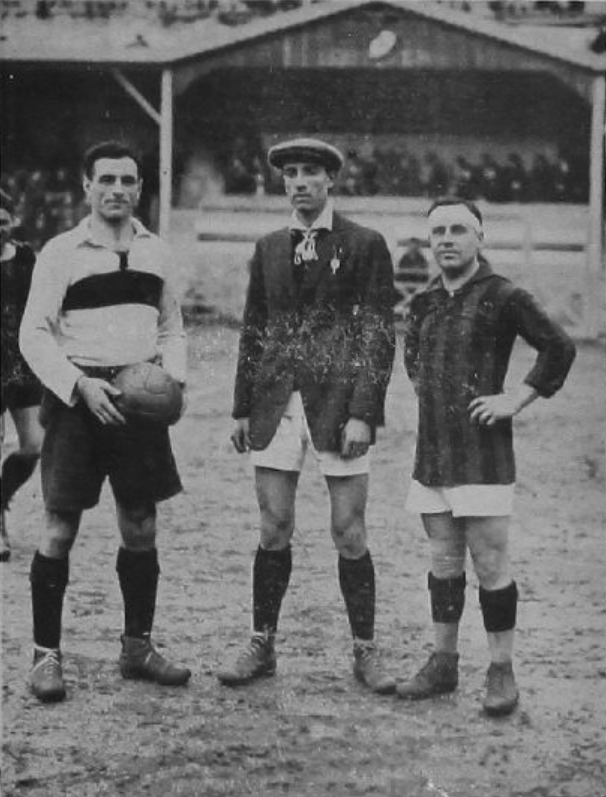
1926
The Cathedral in the Meadow
A season wrecked by injuries, a charter signed by the sea that invented modern Italian football, and a stadium raised from one man's pocket on the meadows of San Siro: the year Milan lost almost everything on the pitch and gained an eternal address beside it.
1,855 words · 13 sources
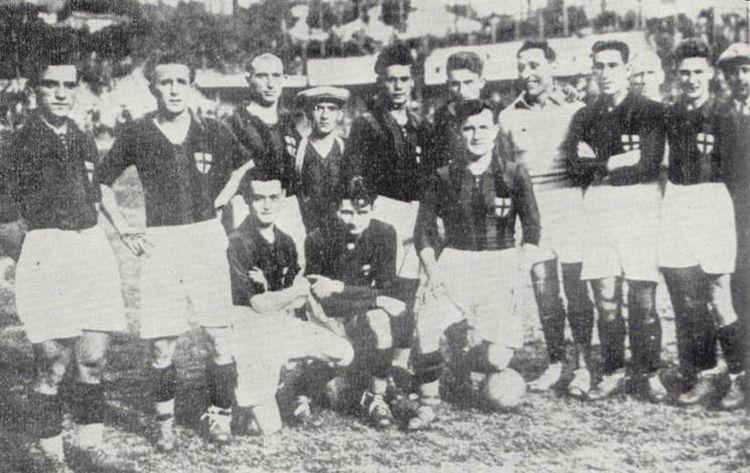
1927
Buying the Forwards Who Beat You
Beaten 8-2 by Juventus in the July sun, Milan signed two of the beaters by October: a year of last place among the elite in Piero Pirelli's year-old San Siro, of farewell to the last of the five Cevenini brothers, and of a 'new Milan' announced by a debut hat-trick.
2,008 words · 9 sources
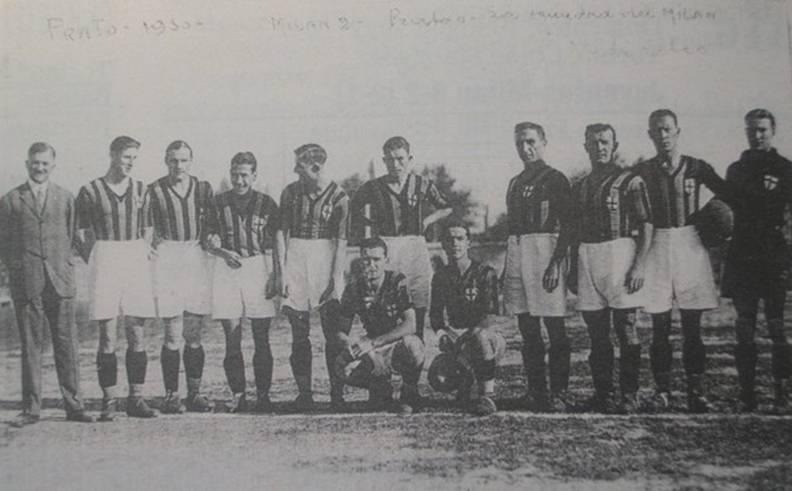
1928
No Banquet, No Speech
Sixth of eight in the spring, a contender again by the winter; a derby lost at home and avenged away; and between the two seasons, Piero Pirelli, president for nearly twenty years and the man who built San Siro, quietly cedes the chair to Luigi Ravasco and goes back to his factory.
1,793 words · 8 sources
1929-1945
Serie A and the War
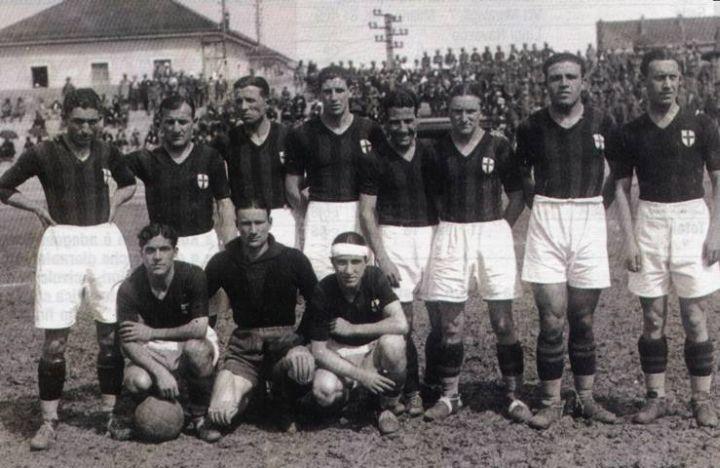
1929
The First Sunday and the Missing Captain
Fascist Italy melts its quarrelling gironi into a single national league, and Serie A is born at San Siro with a 4-1 win over Brescia; but Milan cross football's great threshold in mourning, their captain Abdon Sgarbi dead at twenty-six before the first whistle.
1,514 words · 8 sources
1930
Eleventh at the Long Table
Italian football became one country in 1929-30, a single Serie A of eighteen clubs, and Milan finished it eleventh, watching the renamed neighbours lift the first title. Then, in the autumn, the fixture list sent the new captain straight back to Livorno, and he was broken on his first afternoon.
1,409 words · 6 sources
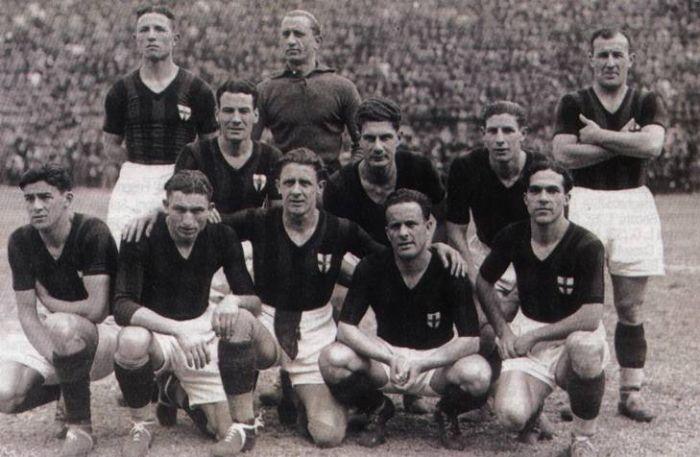
1931
The Phantom Goal and the Matinee Idol
Milan drag a twelfth place out of one winter and hand the bench to a Hungarian; they lose a derby despite the first ghost goal in the city's great quarrel falling their way; and their centre-forward scores thirteen times on his way to the cinema.
1,744 words · 7 sources
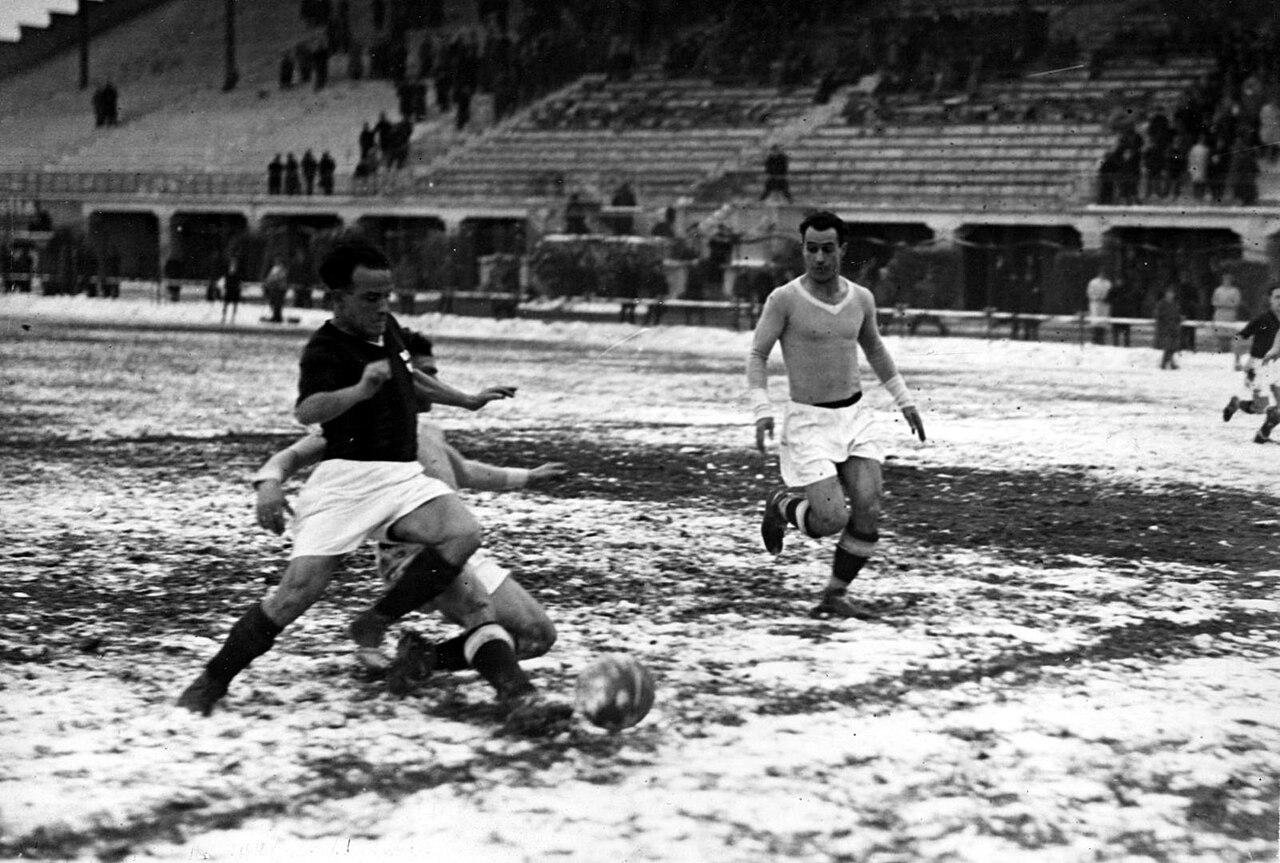
1932
The Banquet and the Bill
Fourth in the spring, sliding towards eleventh by the winter: the calendar year 1932 held both Milans at once, a banquet that followed a famine, a derby of nine goals lost by one, and the arrival from SPAL of Mario Romani, the goal-machine of Ferrara.
1,674 words · 8 sources
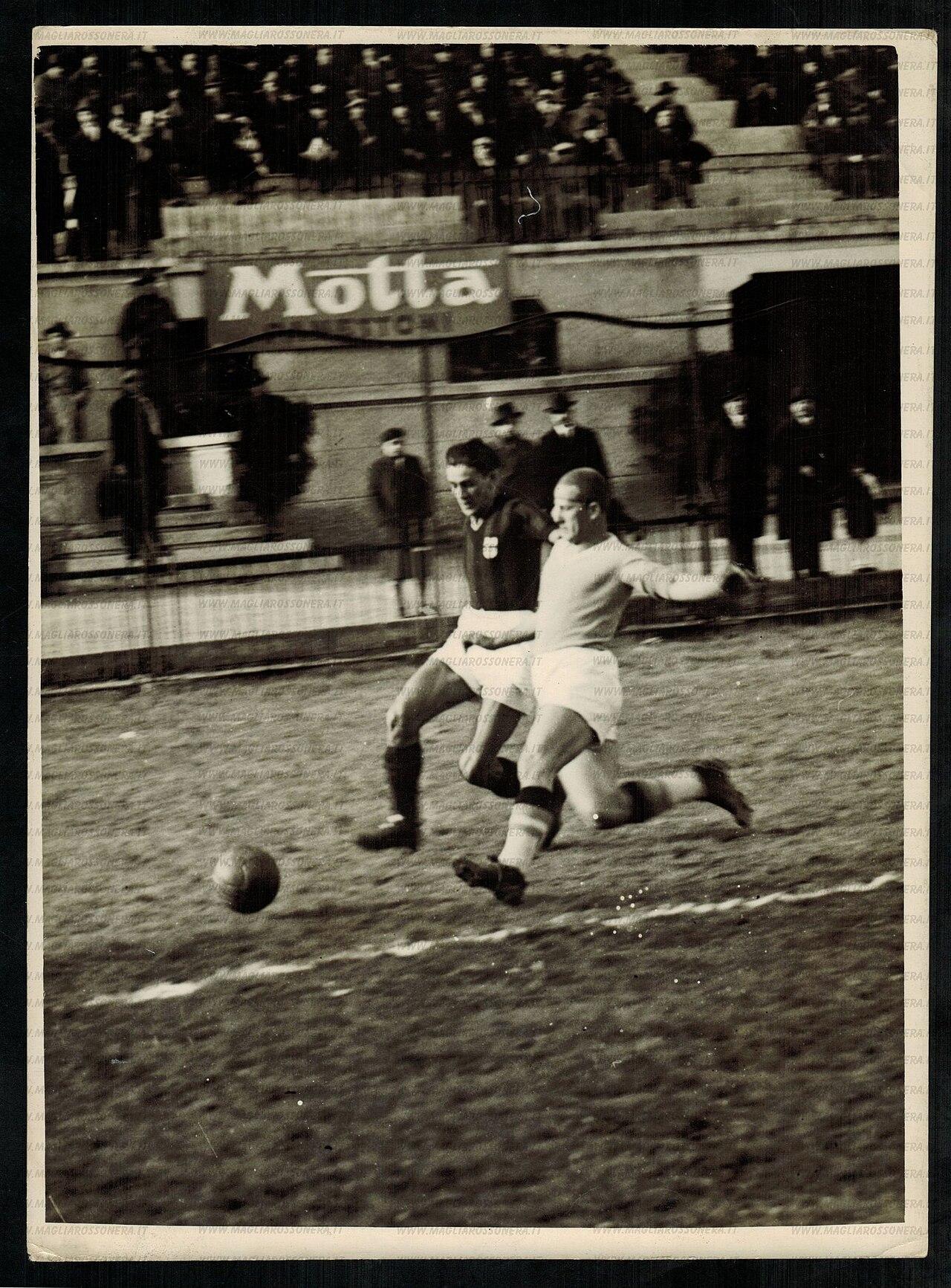
1933
A Goal at the Old Address
Milan drift through mid-table while Juventus reign; a president departs, one Hungarian on the bench gives way to another, and Mario Magnozzi, sold home to Livorno, returns to San Siro within weeks to score against the club he captained. Then, one December afternoon, the champions are beaten.
1,876 words · 9 sources
1934
The World Champion Nobody Saw
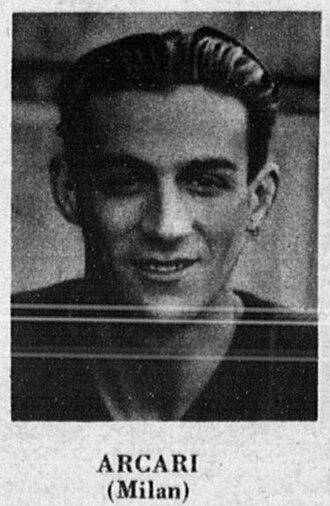
While Mussolini's World Cup filled San Siro and Italy conquered the world in Rome, Milan idled in the grey middle of the table, and Pietro Arcari came home from the tournament a world champion who had never played a minute.
1,787 words · 7 sources
1935
Two Names on a Shipping Manifest
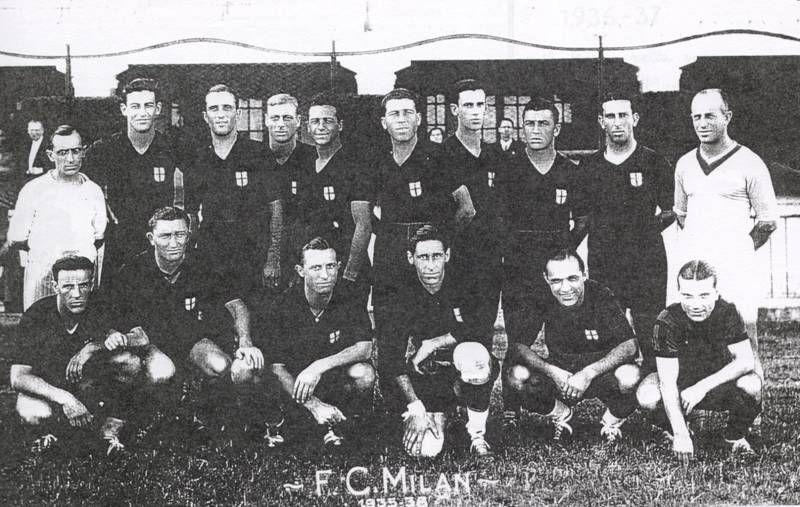
In the middle of Juventus's golden five, Milan changed president and captain, kept faith with Baloncieri, watched the city take ownership of San Siro, and welcomed off the boat from São Paulo the first two Brazilians ever to wear the red and black.
1,759 words · 8 sources
1936
The Mister Out of a Spanish War
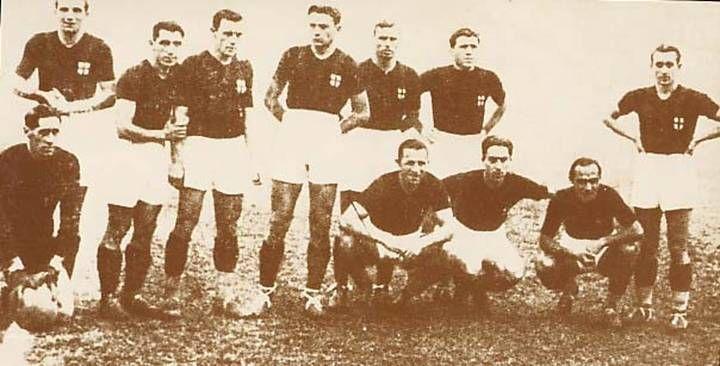
A clerk struck two English words from the register, and the club spent the rest of the year acquiring things no decree could grant it: a president in October, an English Mister in December driven out of Spain by its war, and a twenty-one-year-old from Seregno whose shooting would earn him the name spaccareti. Rarely has eighth place contained so much future.
1,833 words · 8 sources
1937
Eleven Unbeaten, Two Points Short
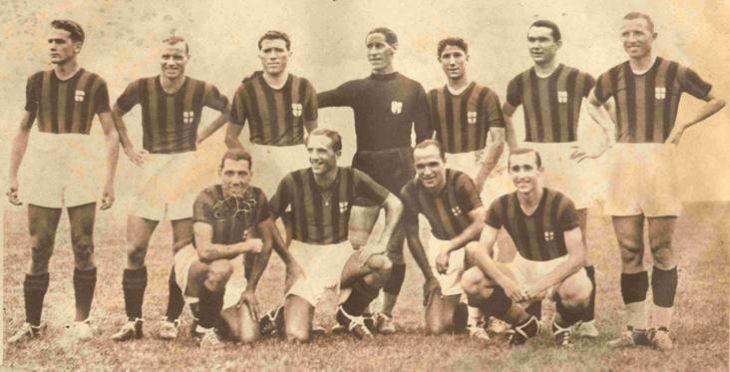
Eleven matches without defeat under William Garbutt carried Milan to within two points of Bologna before the spring thinned to fourth; then the autumn opened the campaign that would earn the club its first European passport, while a twenty-one-year-old centre-forward, Aldo Boffi, scored seven in the cup and found the range that would light the lean years.
1,490 words · 6 sources
1938
A Goat Settles the Ten-Year Debt
On 20 February a man whose surname means goat scored the only goal of the derby and ended ten years of Milanese humiliation. Around that afternoon: a spring three points short of the summit, a first border crossed and a beating taken in Bucharest, a World Cup defended in Paris, and, before the season was over, decrees that took a word off one door and far more off others.
1,884 words · 8 sources
1939
The Vowel and the Bombardier
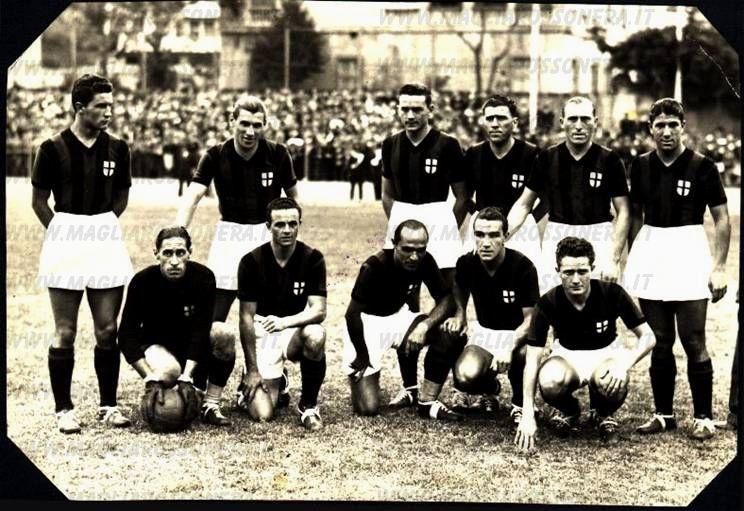
Fascist censors add a vowel and Milan becomes 'Milano'; the team climbs out of the cellar, loses a fourth straight Coppa semifinal, and, as Europe goes to war, Aldo Boffi shoots down the future champions in a December derby at the Arena.
2,257 words · 7 sources
1940
Eight Days Between a Scudetto and a War
Stripped of its English name by decree and stranded in mid-table, Associazione Calcio Milano watched the cousins seal a scudetto eight days before Italy walked into the war, then took in a weeping legend with a frozen foot and quietly began the climb back toward the light.
1,932 words · 8 sources
1941
The Arena, by Failing Light
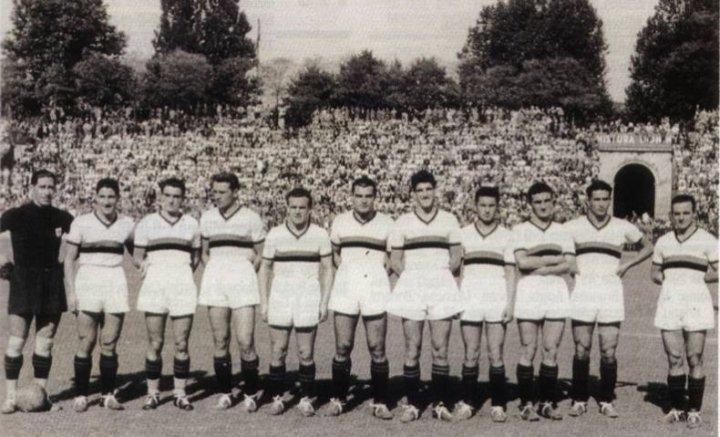
Renamed 'Milano' by decree and driven out of San Siro when the current failed and the trams stopped, the club spent the year playing in the middle of the city, with the best defence in Italy, five goals past the champions, and Giuseppe Meazza rebuilding himself in red and black.
1,476 words · 8 sources
1942
The Enchanter's Last Night
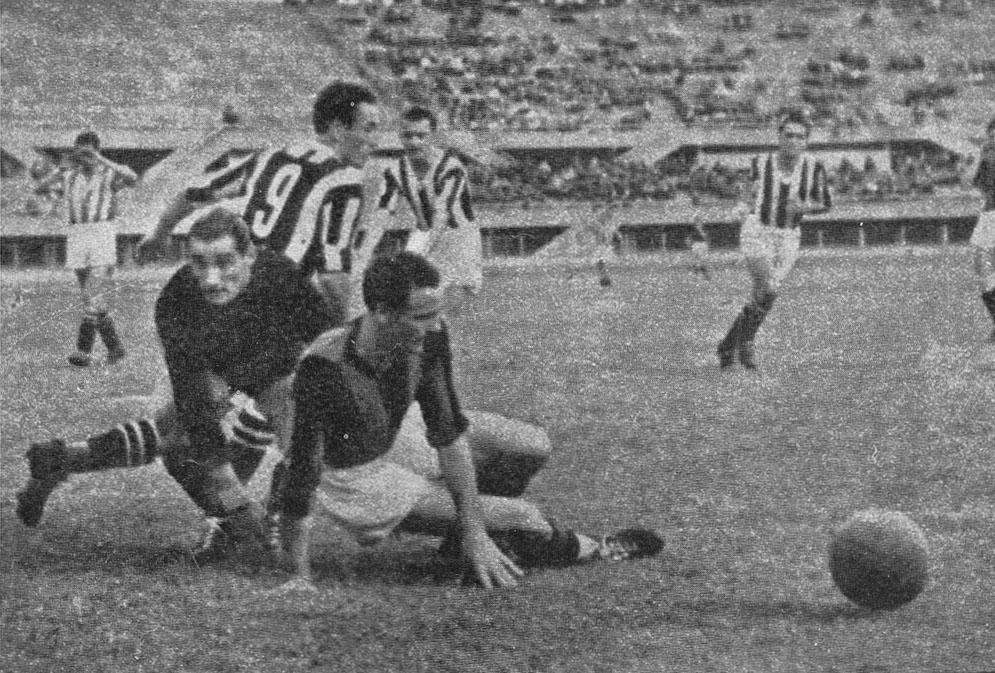
With San Siro dark for want of electricity and the club's very name confiscated by decree, Associazione Calcio Milano reached its first Coppa Italia final, crowned Boffi capocannoniere a third time, and said a quiet goodbye to Giuseppe Meazza, in a year that ended with the sirens sounding over the city.
1,906 words · 8 sources
1943
Regicide on Sundays
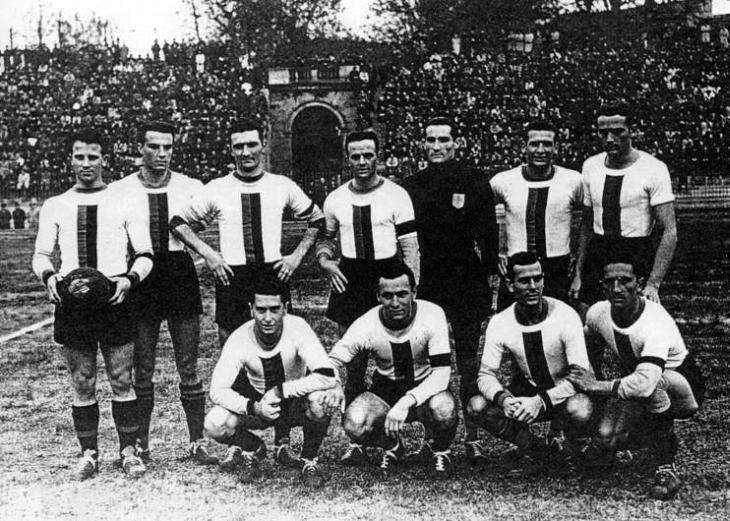
Milan finished an anonymous mid-table season in the final complete Serie A before the war swallowed Italian football, beating the champions twice, losing the derby by three, and watching the August sky over the city fill with bombers.
1,936 words · 8 sources
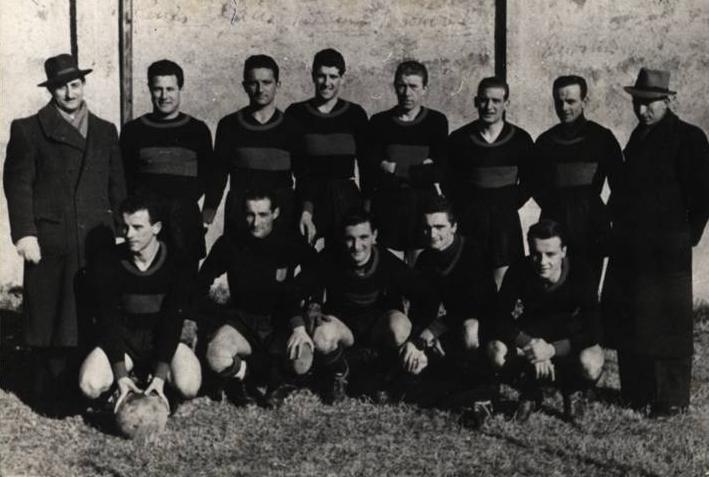
1944
The Tournament of the Possible
With Italy torn in two and Serie A suspended, Associazione Calcio Milano played a wartime championship reachable by tram and bicycle: fifth of eight in Lombardy, out before the final round, while a future Superga martyr wore the shirt between air-raid sirens.
1,658 words · 6 sources
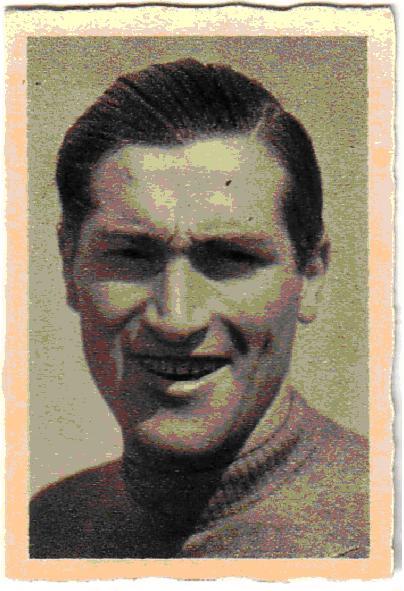
1945
Milan, Spelled the Old Way
Milan is liberated in April, the war ends in August, and by autumn the ball rolls again: the club sheds the fascist-imposed 'Milano', restores its English name, and fights its way to third in Italy behind the gathering storm of the Grande Torino.
2,015 words · 7 sources
1946-1959
Gre-No-Li and the Golden Fifties
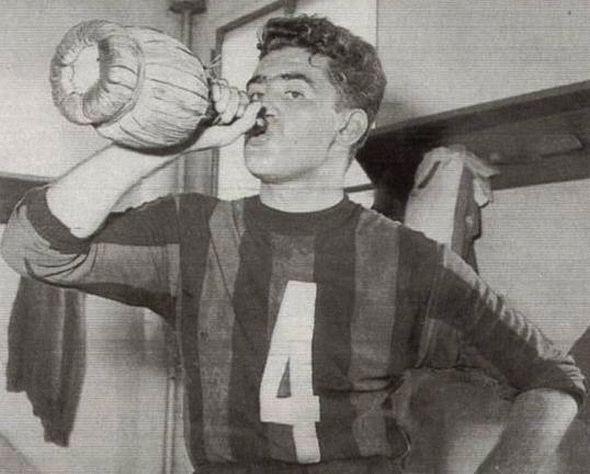
1946
A Monarchy Voted Out, a Derby Won Back
As Italy votes away its king and Serie A stitches itself back into one national cloth, Milan finish third in a patchwork championship, take the first reunified derby in fourteen second-half minutes, and unveil a small winger from Puglia whose feet will carry them toward the golden decade.
1,414 words · 8 sources
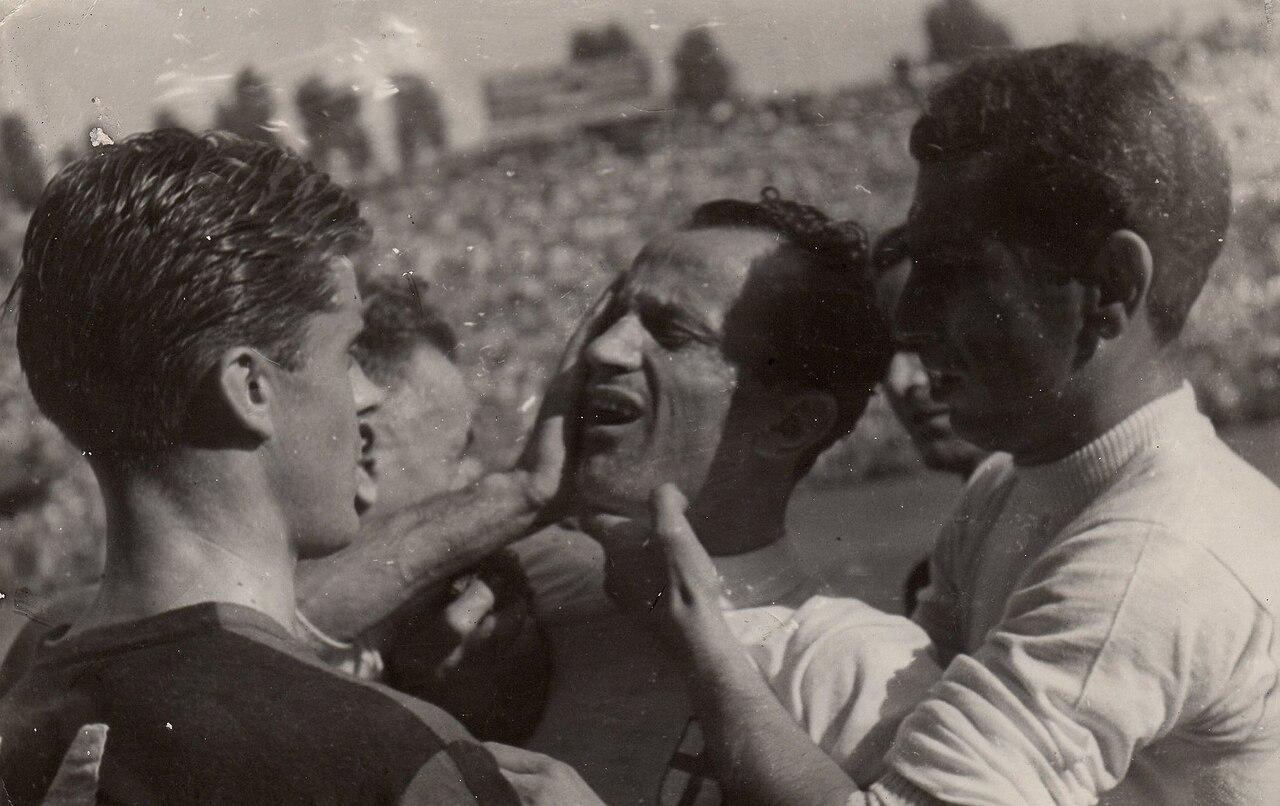
1947
Level with the Invincibles by New Year's Eve
Fourth behind the untouchable Grande Torino in spring; sharing the top of Serie A with those same champions by the thirty-first of December: a rebuilding Milan learned to look greatness in the eye, while halfback Andrea Bonomi chased the man who, years before on a Lombard riverbank, had pulled him from the water.
1,784 words · 9 sources
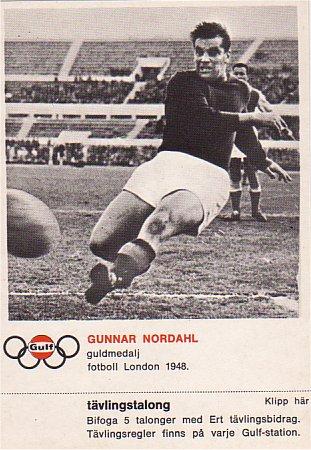
1948
Three Names on an August Afternoon
Milan lead Serie A by four points in winter and lose the title to the Grande Torino by sixteen; the Republic votes, Bartali pedals, and on an August afternoon at Wembley three Swedish amateurs win Olympic gold: the seed of Gre-No-Li and the Golden Fifties.
1,866 words · 7 sources
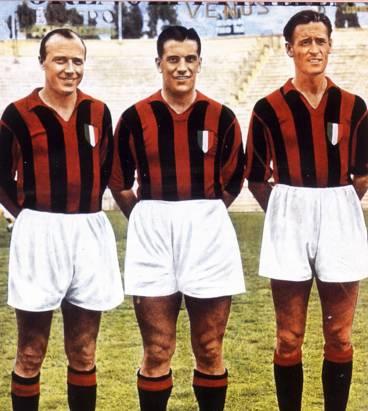
1949
The Fireman Who Fed the Flames
A Swedish fireman gets down from a train at Milano Centrale in January, Italian football buries its greatest team on the hill at Superga in May, and by November three Olympic champions in red and black have lit the fuse of the Golden Fifties.
2,478 words · 12 sources
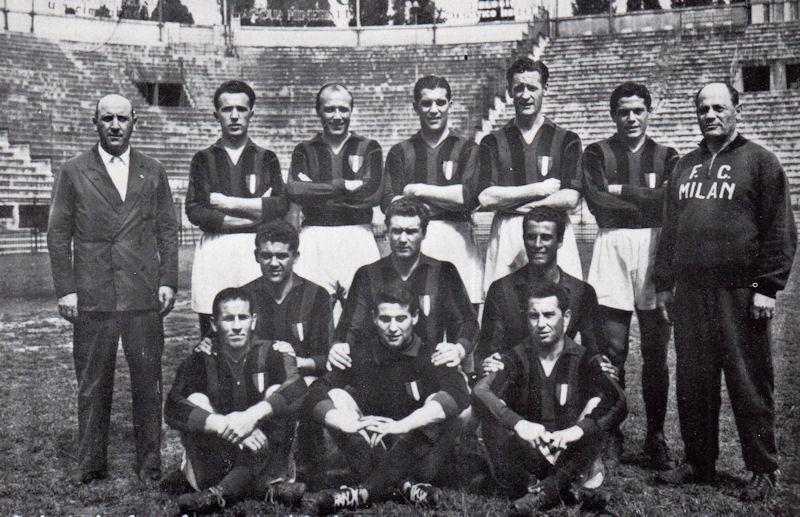
1950
Seven in Turin, Filmed from a Fire Truck
Milan score one hundred and eighteen goals and still finish second; Gunnar Nordahl's hat-trick sinks Juventus 7-1 on the afternoon Italian television is born from a fire truck's ladder; and in the autumn, without fanfare, the march to a scudetto forty-four years in the waiting quietly begins.
2,072 words · 10 sources
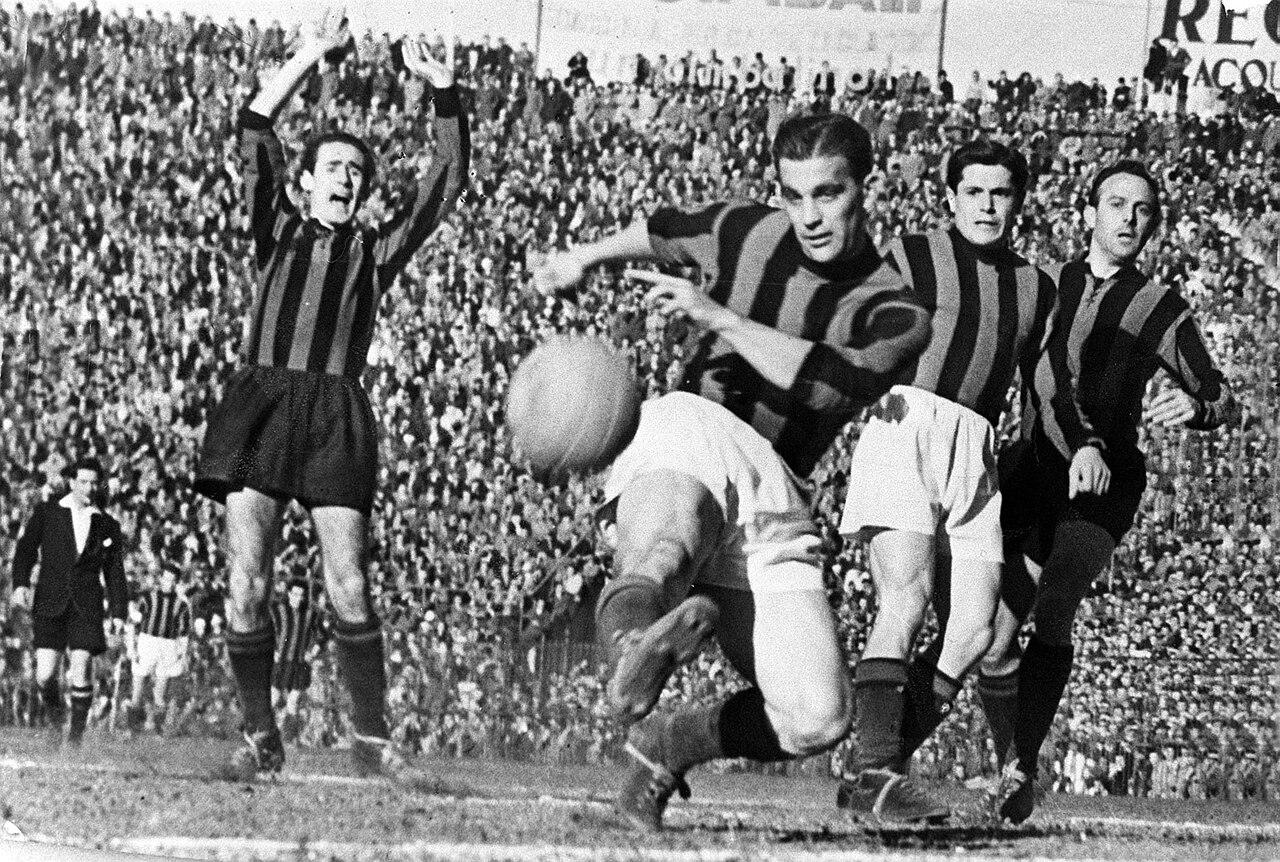
1951
Champions in Their Socks
The drought that began after 1907 dies on an afternoon Milan actually lose, announced by loudspeaker at San Siro; a fortnight later the Latin Cup follows, the club's first international silver, and the Golden Fifties open for business.
2,032 words · 10 sources
1952
Thirteen Draws and a Side Door
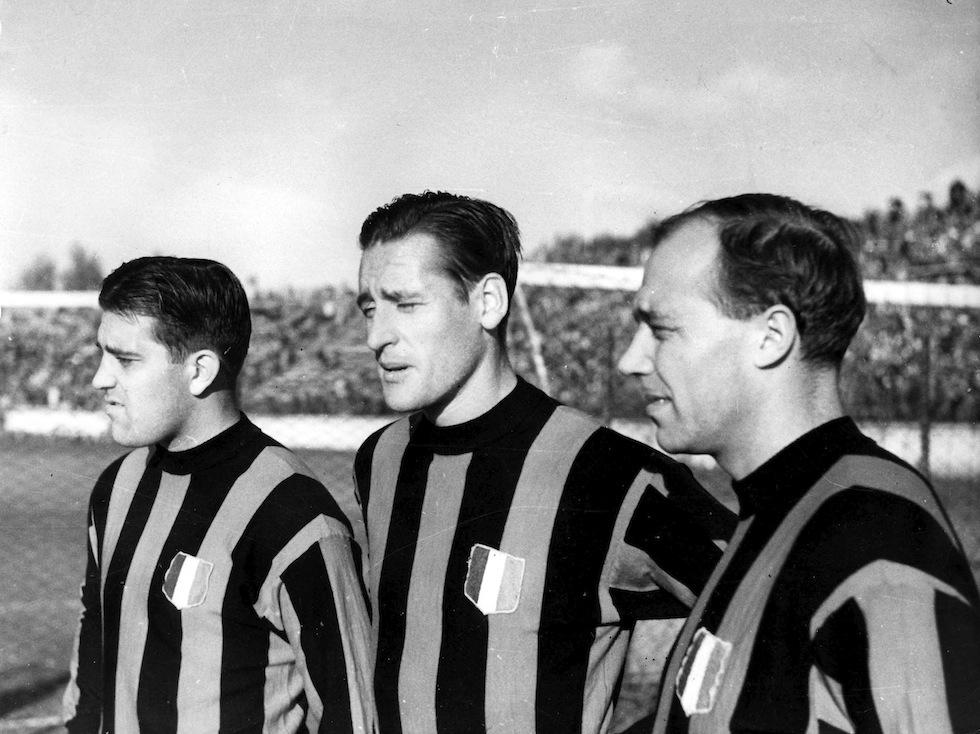
Wearing the tricolore shield for the first time, Milan learned what it costs: eighty-seven goals, only five defeats in thirty-eight matches, thirteen draws, and second place behind Juventus. In the summer the captain of the drought-breaking scudetto left by the side door; in December the rossoneri went to Turin and won 3-0.
1,806 words · 9 sources
1953
The Professor Picks Himself
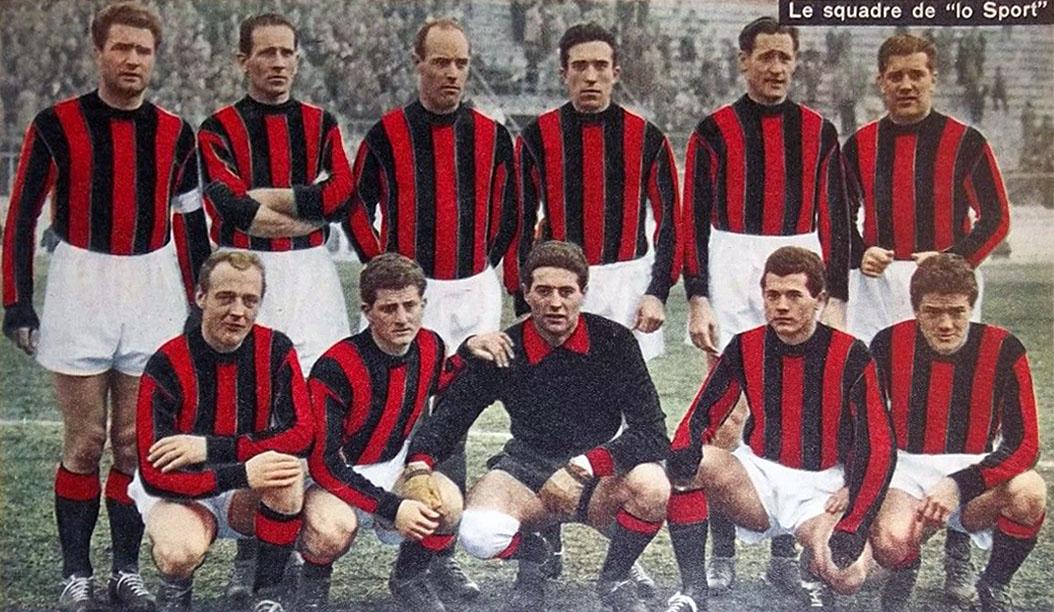
Third in the spring and third-bound again by winter; a capocannoniere's crown for Nordahl; and in Lisbon, at the Jamor, Gunnar Gren plays and conducts his own farewell at once as the Gre-No-Li trio dissolves.
1,873 words · 6 sources
1954
The Publisher Buys a Brain
Third in spring, top of the table by Christmas: the year Andrea Rizzoli paid a world record for Juan Alberto Schiaffino, and a quiet debutant from Triestina named Cesare Maldini began, without anyone noticing, a dynasty.
2,209 words · 12 sources
1955
Sacked in First Place
Milan seize a fifth championship with an avalanche of June goals, having dismissed the man who built it while he stood top of the table; and on the first of November, San Siro stages the club's first night of European Cup football.
2,186 words · 10 sources
1956
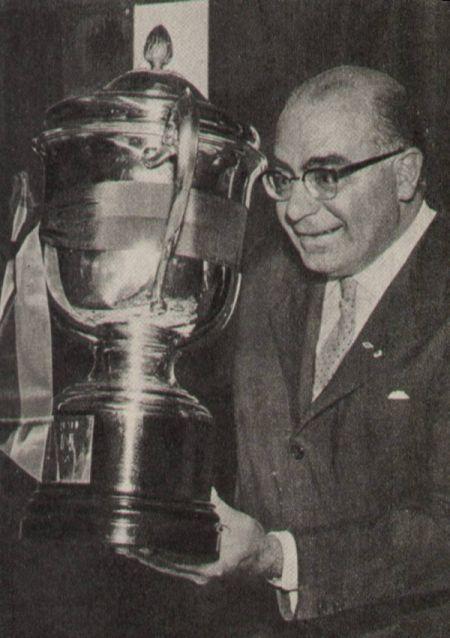
Not a Defeat, but a Suitcase
A second place absorbed without complaint, a first European adventure ended by a single Madrid goal, a Latin Cup lifted at the Arena Civica; and then, in the summer heat, Gunnar Nordahl walked out of San Siro forever, while Milan quietly built the team that would take everything back.
1,894 words · 9 sources
1957
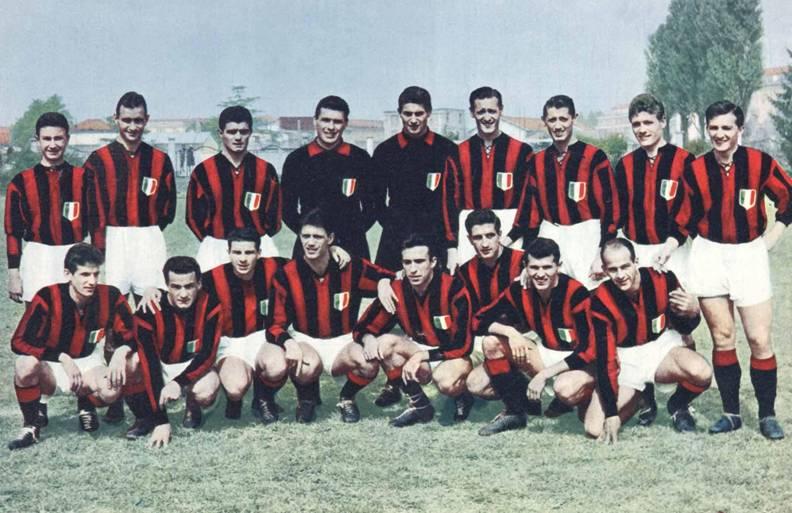
The Sheriff's Deputies
Gunnar Nordahl was sold, Gre-No-Li was history, and the question hanging over San Siro was the oldest in football: who scores now? A slight boy from the Isonzo answered it seventeen times, Gipo Viani's Milan took a sixth scudetto with three Sundays to spare, and then went to Madrid and Vienna to learn what Europe would cost.
1,760 words · 8 sources
1958
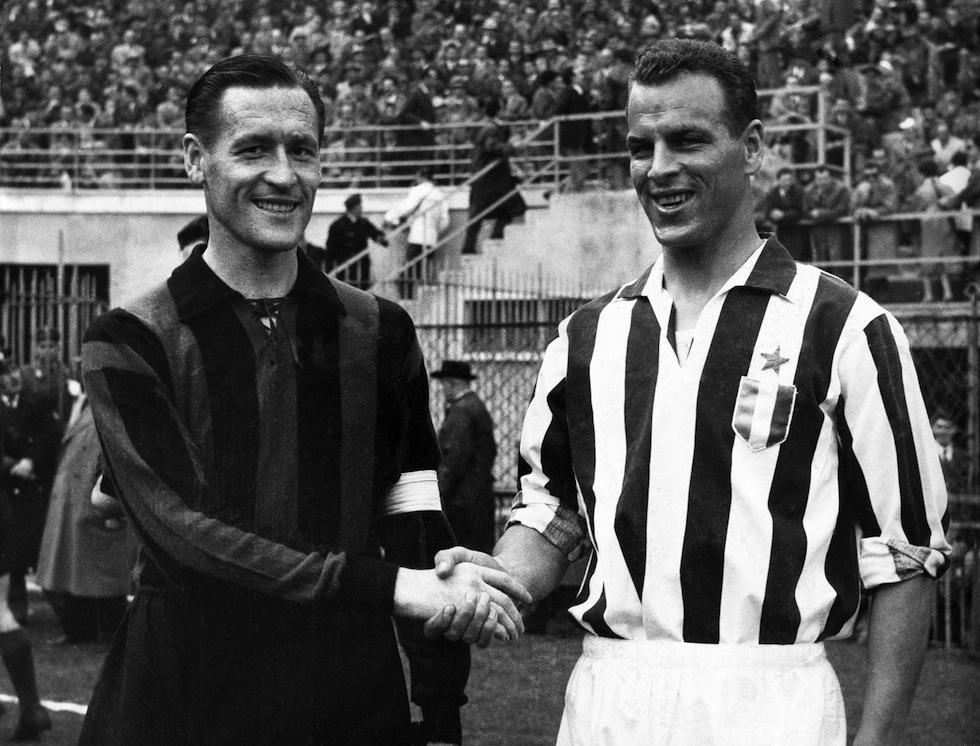
Ninth at Home, Second in Europe
A champion bored at home and magnificent abroad: Milan finish ninth while defending the scudetto, lose their first European Cup final to Real Madrid in extra time at Heysel, and watch their captain lose a World Cup final in his own Stockholm. The answer arrives by autumn, wearing the borrowed name of Mazzola.
2,504 words · 11 sources
1959
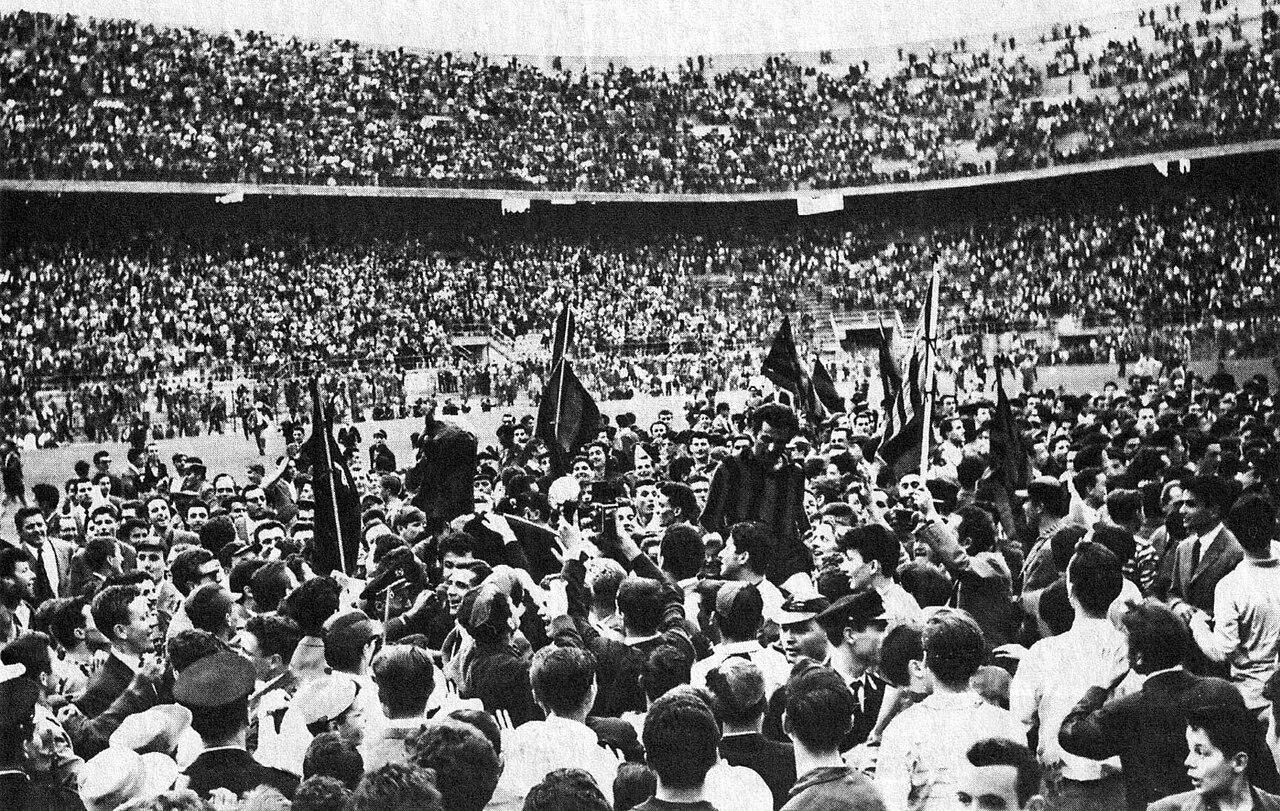
Seven for Udinese, Seven from Barcelona
With a twenty-year-old Brazilian nicknamed for a ghost leading the line and the last of the Swedes wearing the armband, Milan crown their golden decade with a 7-0 coronation; then autumn sends a cold lesson home from Barcelona.
1,827 words · 5 sources
1960-1972
Rocco and the First Cups
1960
The Examiners at Linate
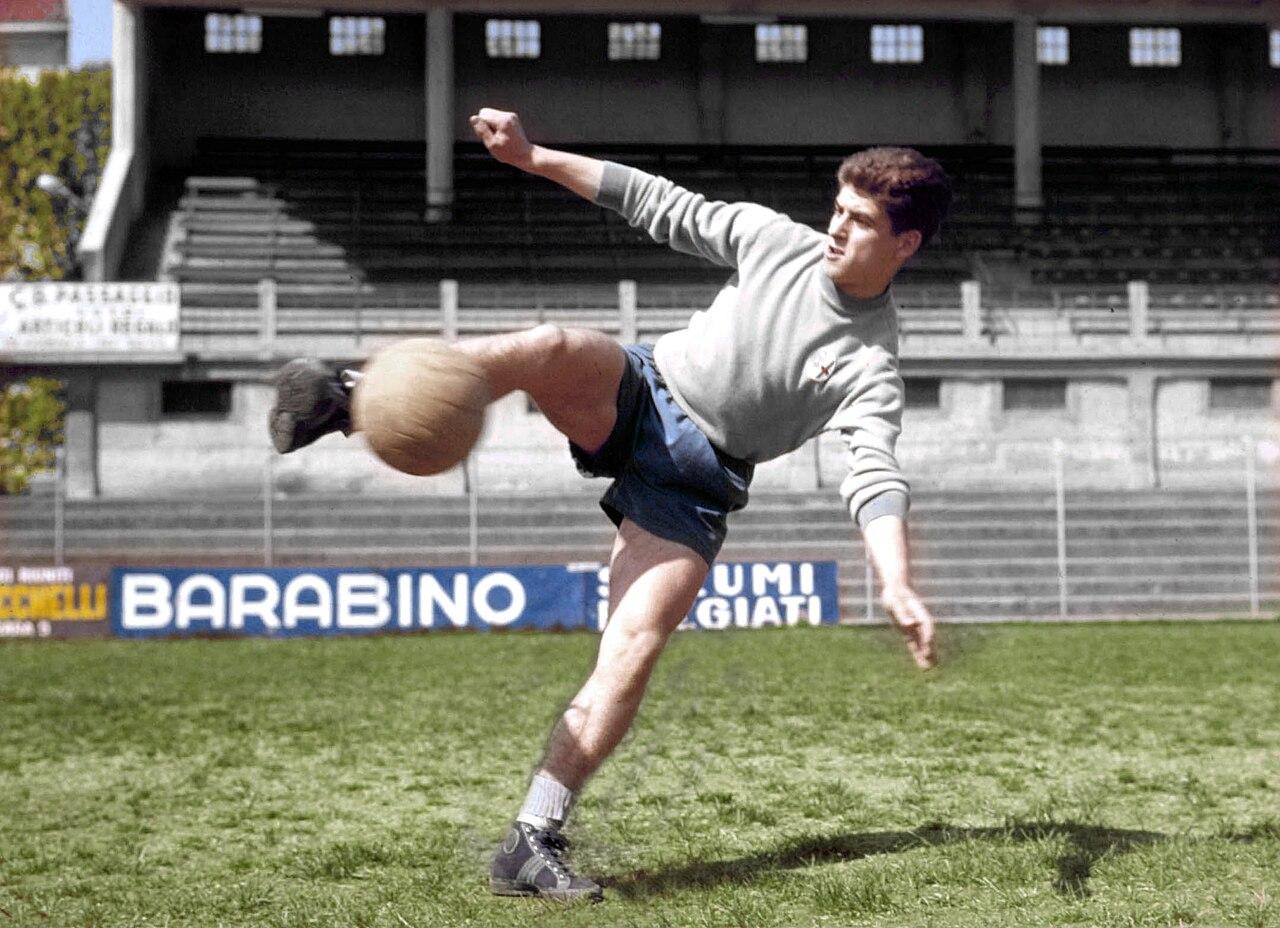
Juventus kept the titles and Altafini took four goals off Inter in a single derby; but the true business of 1960 was the completion of a signing begun on a rain-soaked training field at Linate, where Schiaffino and Liedholm had examined a boy from Alessandria named Gianni Rivera and found the inheritance safe.
1,885 words · 7 sources
1961
Greaves Misses the Plane, Rocco Takes the Bench
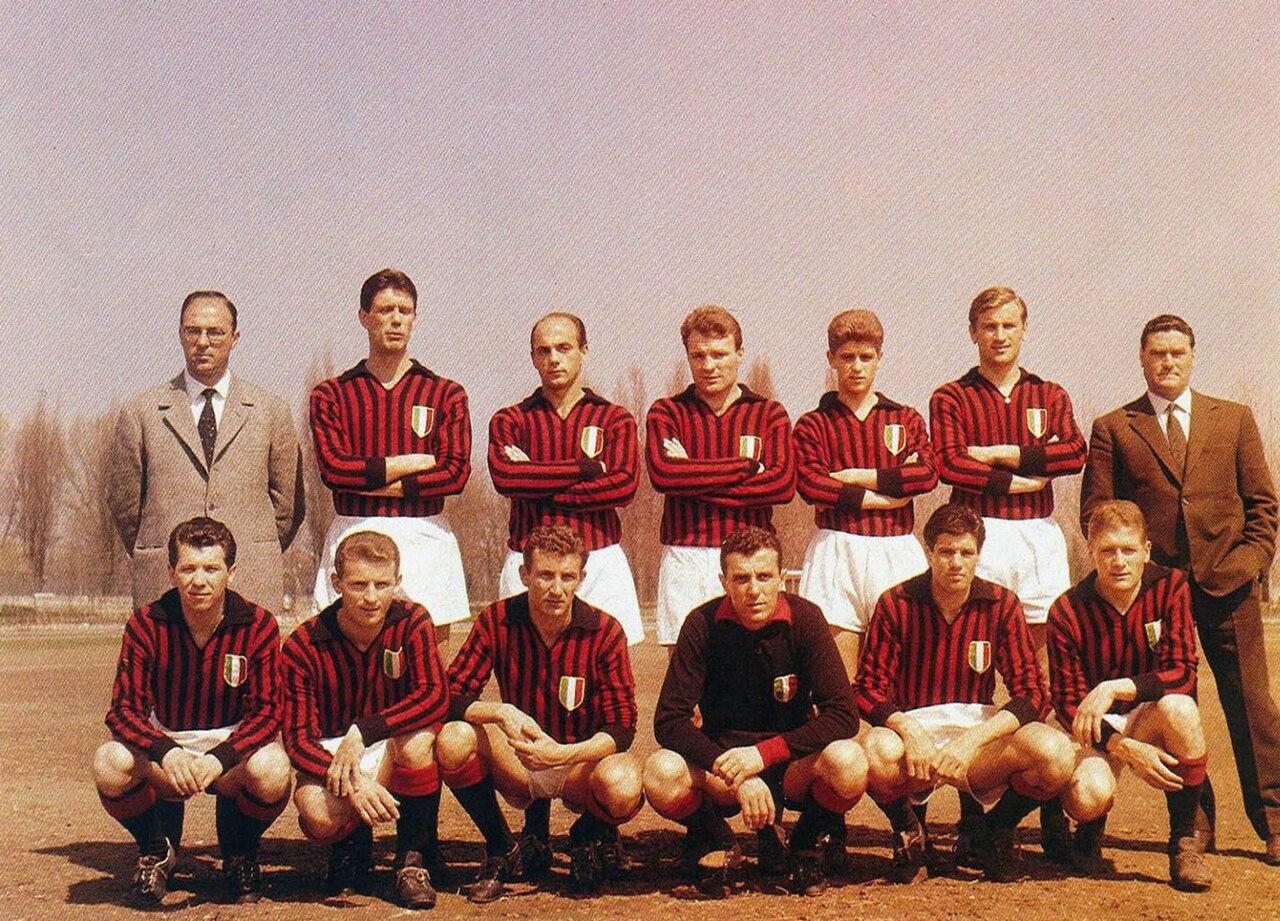
Second place behind Juventus, a Swedish captain's farewell, an unhappy English genius passing through; and in the summer, Nereo Rocco takes the bench and an empire begins.
2,180 words · 9 sources
1962
Fourth at the Turn
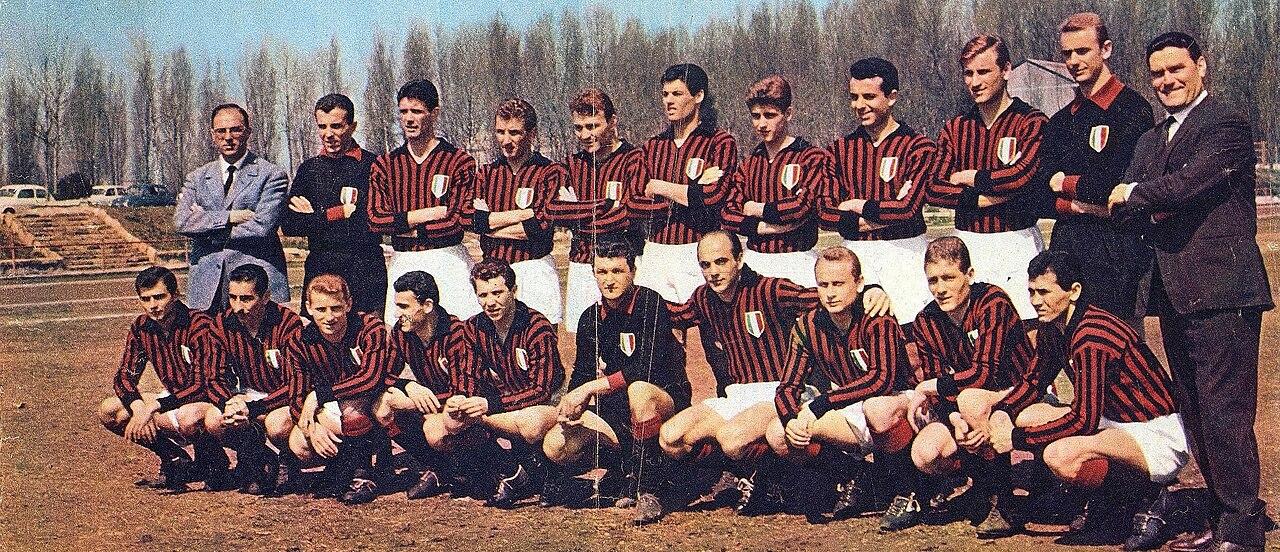
Nereo Rocco's first Milan season takes a scudetto from fourth place at the winter turn; José Altafini shares a scoring crown in April and loses a country by June; and in the autumn the Diavolo sets out on the road of the European Cup.
2,125 words · 9 sources
1963
Wembley in May, the Maracanã in November
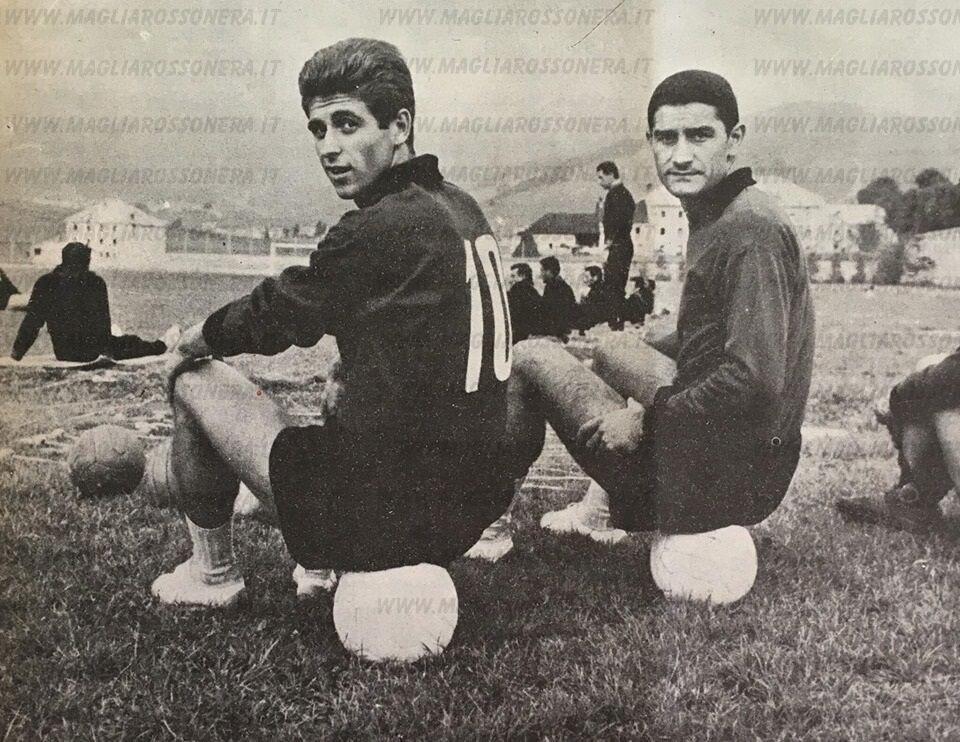
Milan become the first Italian club to lift the European Cup, Altafini twice under the Wembley lights, then watch the world title carried away at the Maracanã in the bitterest hour of the club's greatest year.
2,537 words · 10 sources
1964
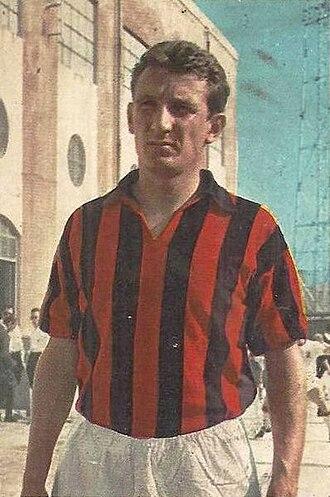
One Goal in Madrid, Two Days in March
Holders of Europe undone by a single goal in Madrid, third in the league with a champion's record, coachless for barely a week in March: Milan's 1964 yields no silver, only the quiet coronation of Nils Liedholm, il Barone, on the bench where he had already been a legend once.
1,733 words · 9 sources
1965
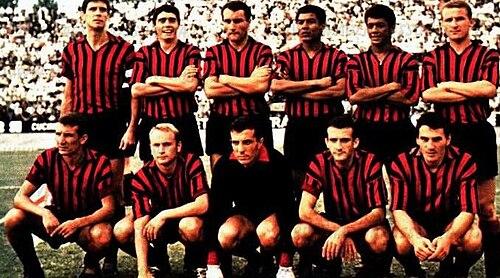
Sold in a Hundred Minutes
Milan led the championship by seven points in January and finished the year with nothing but lessons: the man who had scored both goals at Wembley sold to Napoli in about a hundred minutes, a cotton empire down by forty-six billion lire, and Gianni Rivera quietly reaching for the armband.
1,877 words · 7 sources
1966
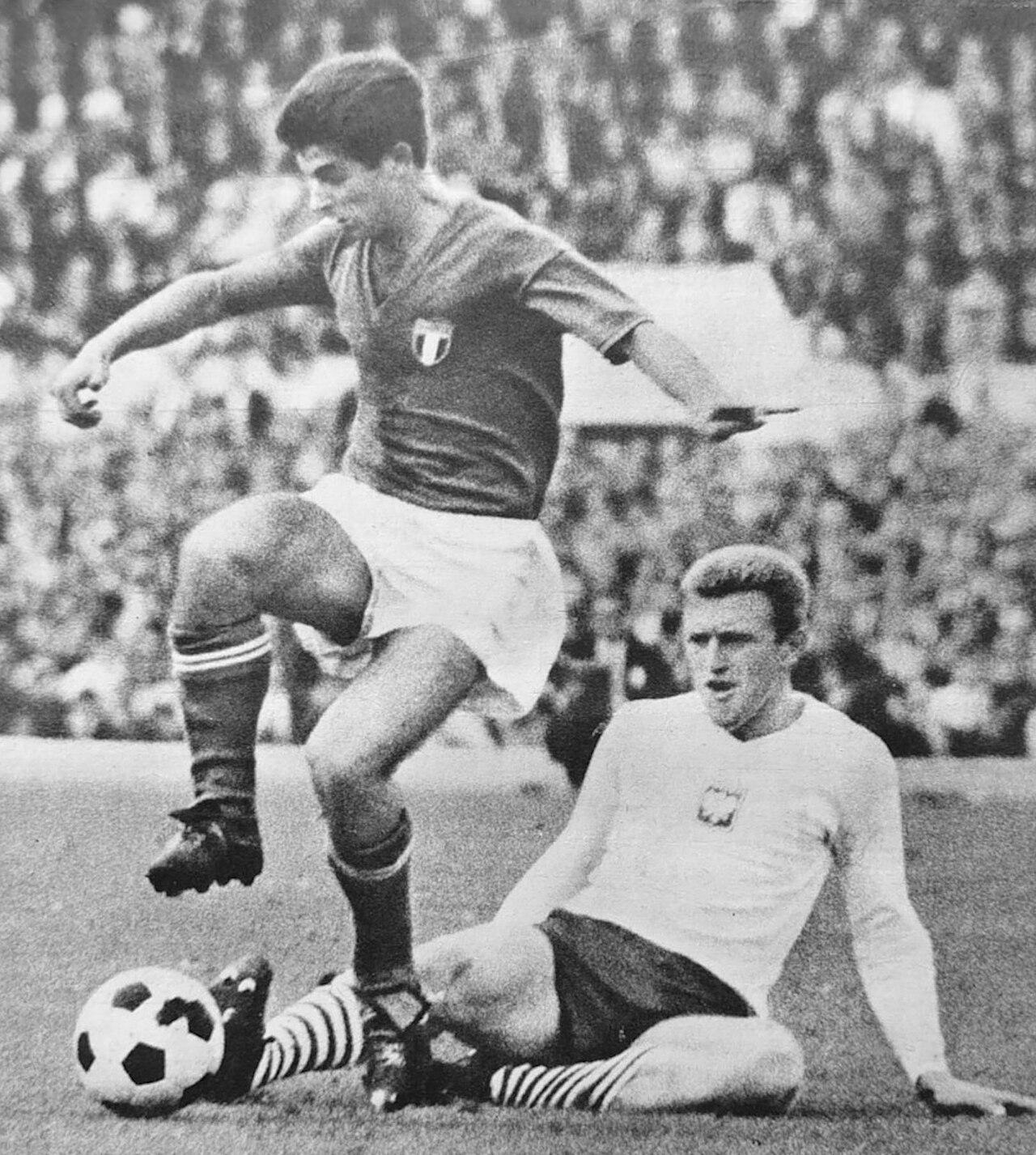
Ron Harris Calls It Right
Out of Europe on the spin of a coin, mid-table under three coaches and a regent's presidency, Milan endured a convalescent year, while Cesare Maldini handed Gianni Rivera the armband and slipped quietly away to Turin, the first passing of a torch that would burn for half a century.
1,804 words · 8 sources
1967
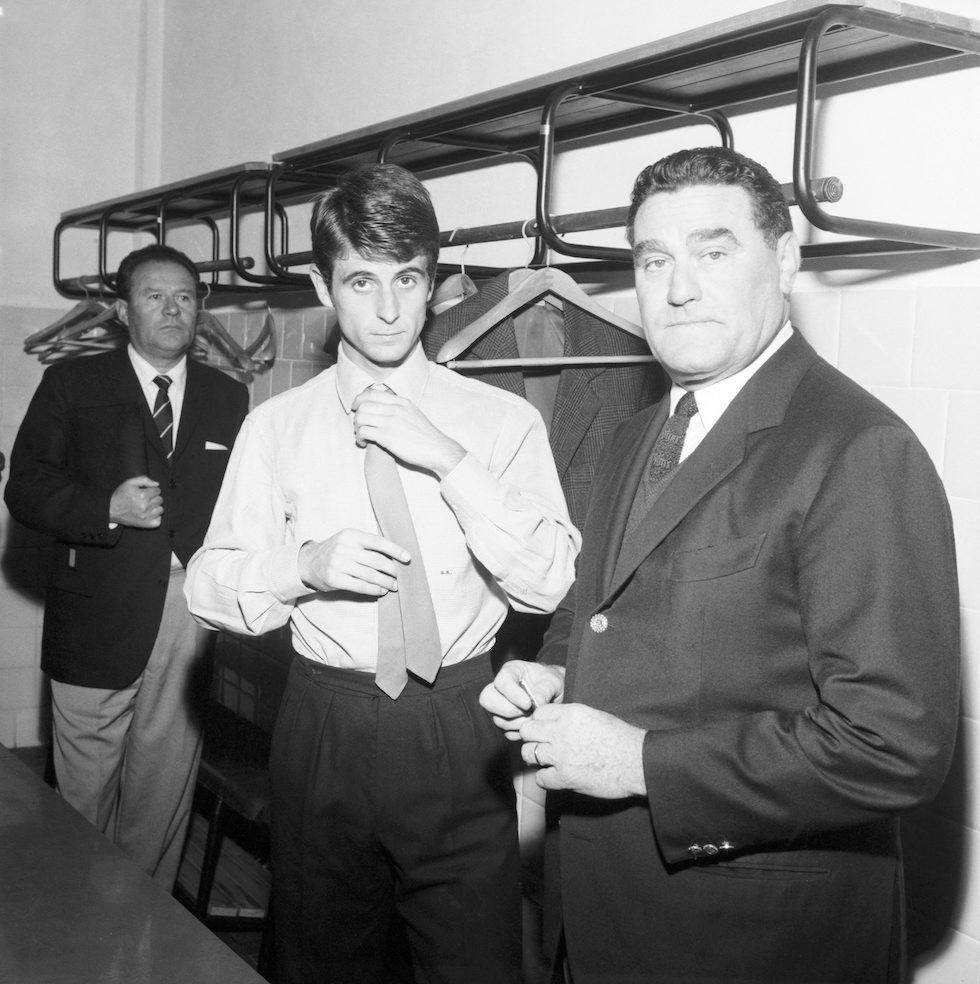
Seven Thousand Four Hundred and Five
Eighth in the league, the club's worst placement of the decade, and yet the first Coppa Italia in its history, won in Rome before 7,405 spectators by a Brazilian swapped away within the month. Then Nereo Rocco came home, and the storm began to gather.
2,031 words · 8 sources
1968
Barricades Outside, Unanimity Inside
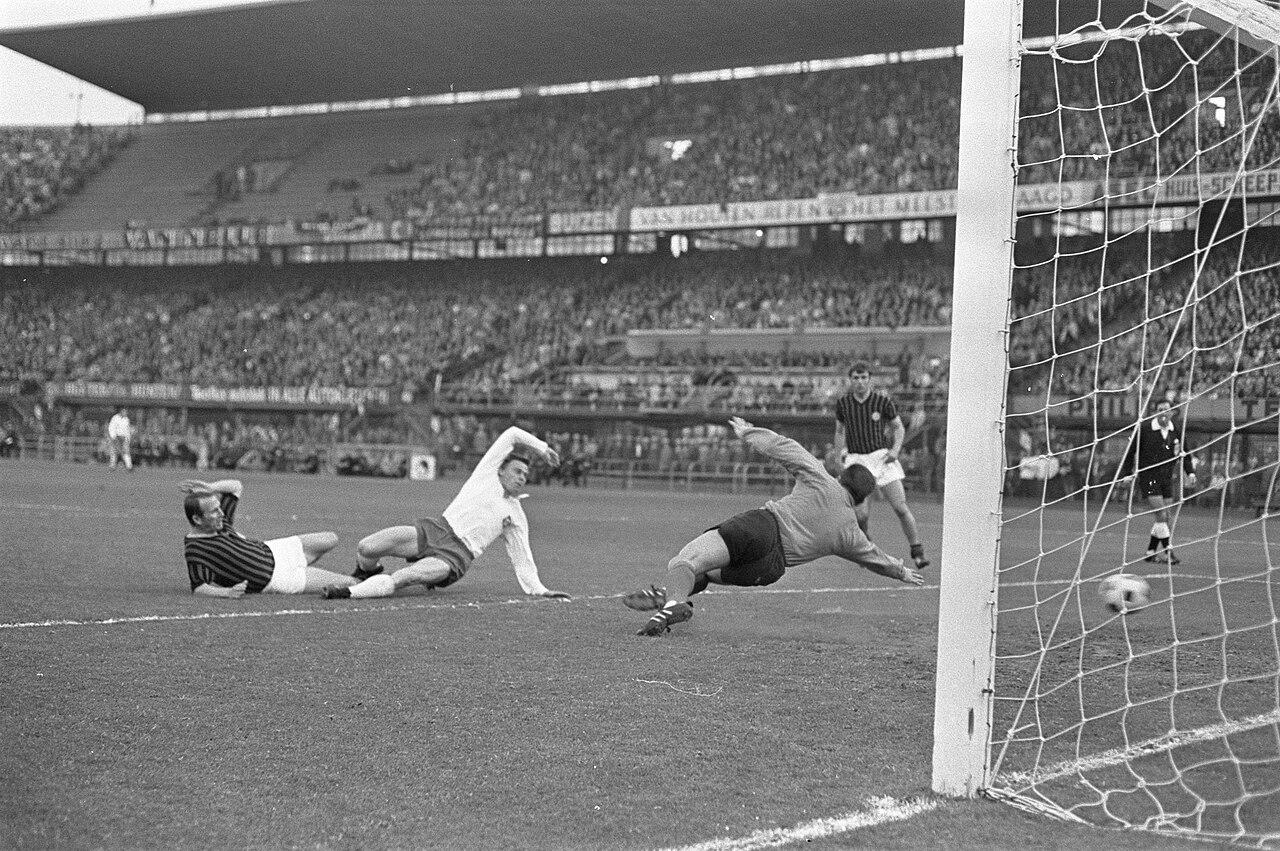
While the city occupied its lecture halls and marched its piazzas, Rocco's Milan answered the Sessantotto with order: a ninth scudetto won by nine clear points, a first Coppa delle Coppe seized in twenty Rotterdam minutes, and a discarded boy from Cinisello Balsamo crowned king of Italy's scorers at twenty-one.
1,879 words · 7 sources
1969
Three in Madrid, a Cell in Buenos Aires
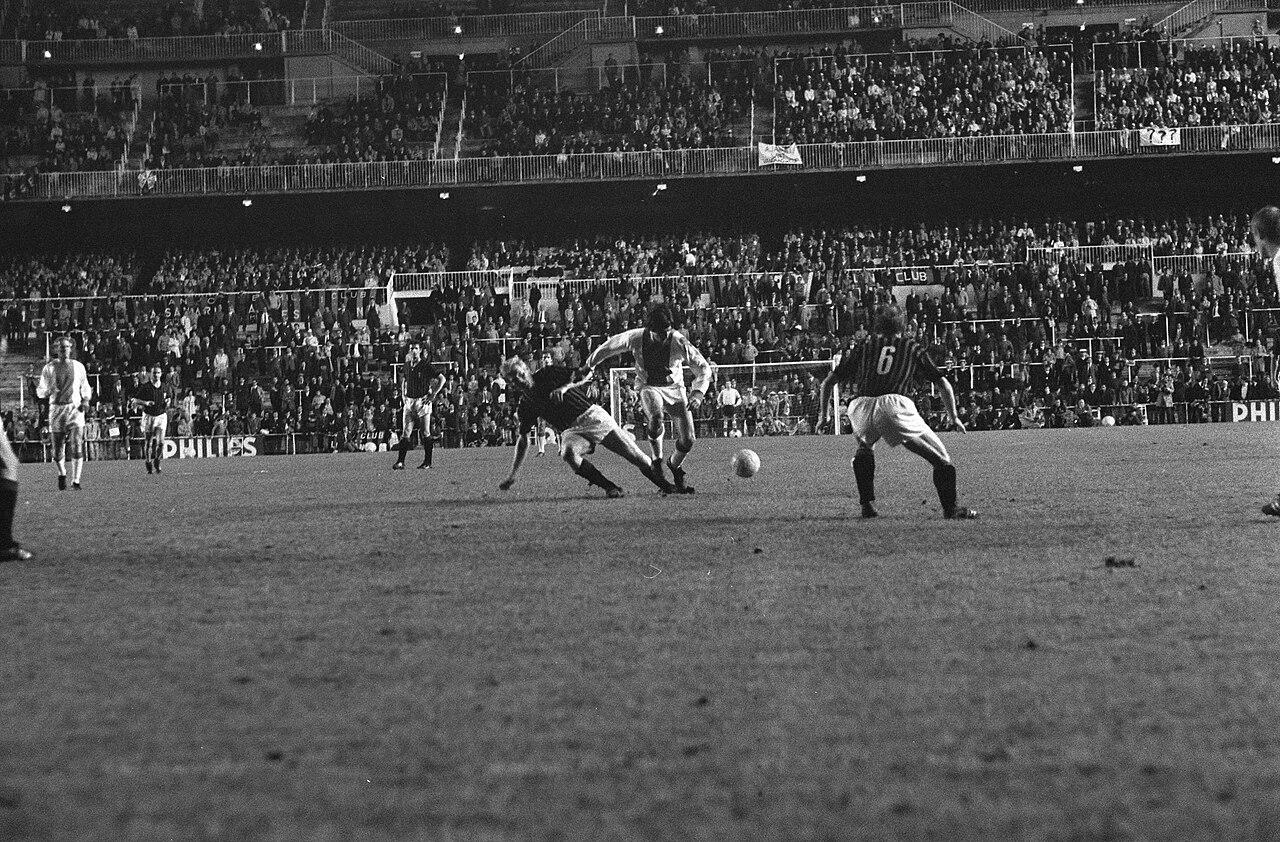
Prati scores three in Madrid, Rivera wins the Ballon d'Or, and Milan finish the year champions of Europe and of the world: a blaze of red and black lit against a city darkening toward Piazza Fontana.
2,715 words · 11 sources
1970
Schnellinger at Ninety, Rivera at a Hundred and Eleven
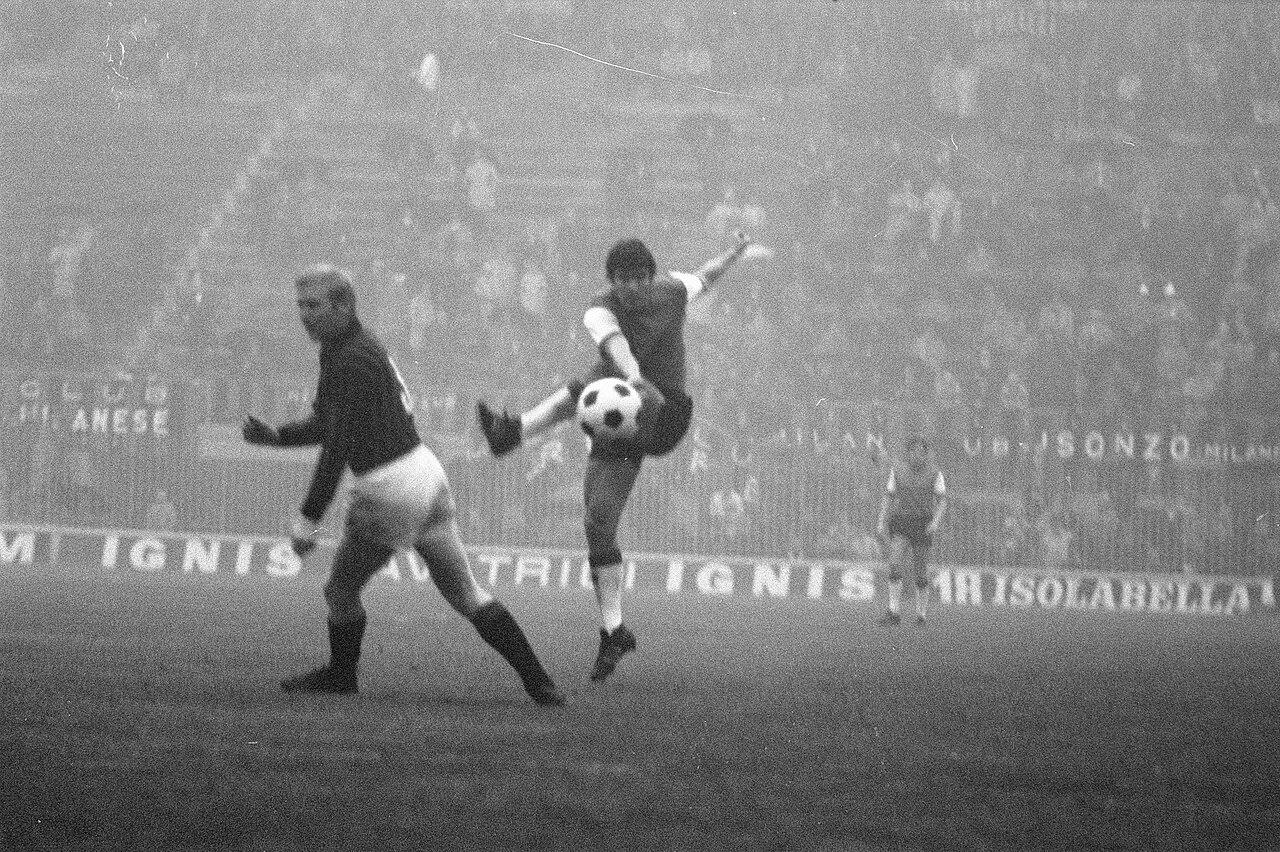
Champions of the world with a fourth-place table, unbeaten through the autumn, and between the two, six minutes at the Azteca that Italy has never stopped arguing about.
1,803 words · 9 sources
1971
Twelve Draws and a Shoot-Out at Marassi
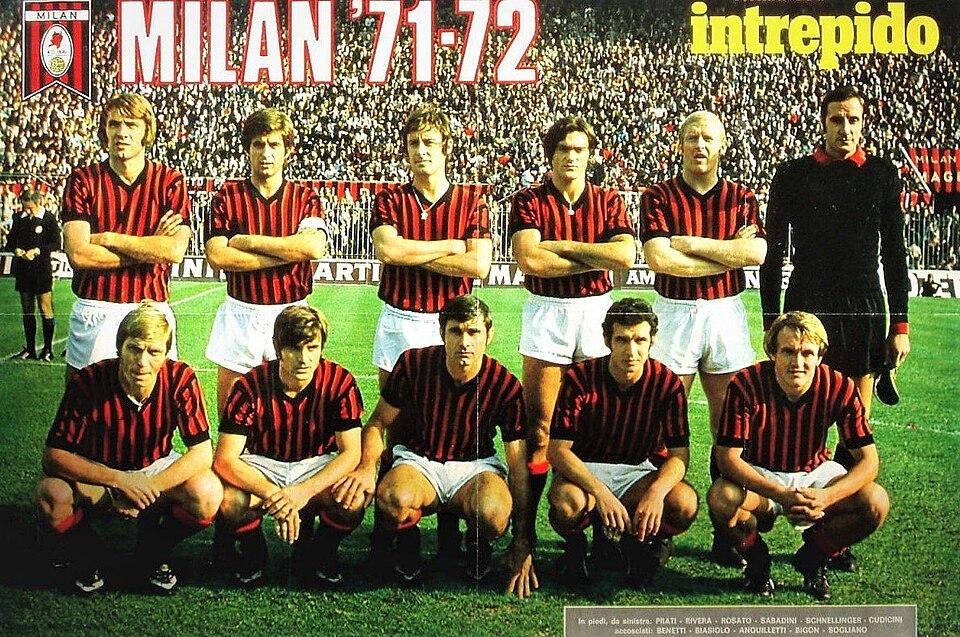
Inter take the scudetto by four points, Torino steal the Coppa on penalties at Marassi, and Giovanni Trapattoni slips away to Varese after thirteen seasons, while Rocco's runners-up, rebuilt around Rivera and a boy named Bigon, begin marching through the first UEFA Cup.
2,470 words · 7 sources
1972
Silenced Until the Thirtieth of June
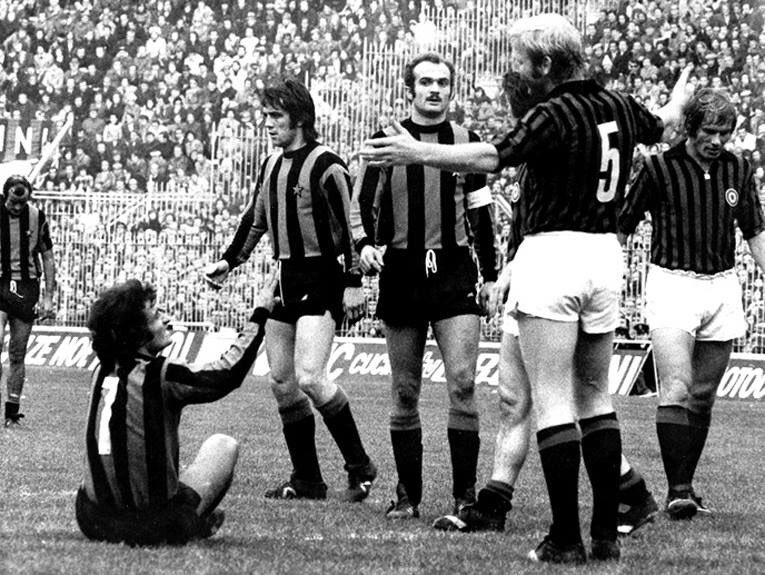
A scudetto lost by a single point with the captain silenced until midsummer, a second Coppa Italia lifted five days after his sentence expired, and an autumn that ended with nine goals in an afternoon and Milan joint top of the table: the year Rocco climbed the stairs and handed the bench to Cesare Maldini.
2,213 words · 8 sources
1973-1985
The Long Decade
1973
Mud on Wednesday, Corpses by Sunday
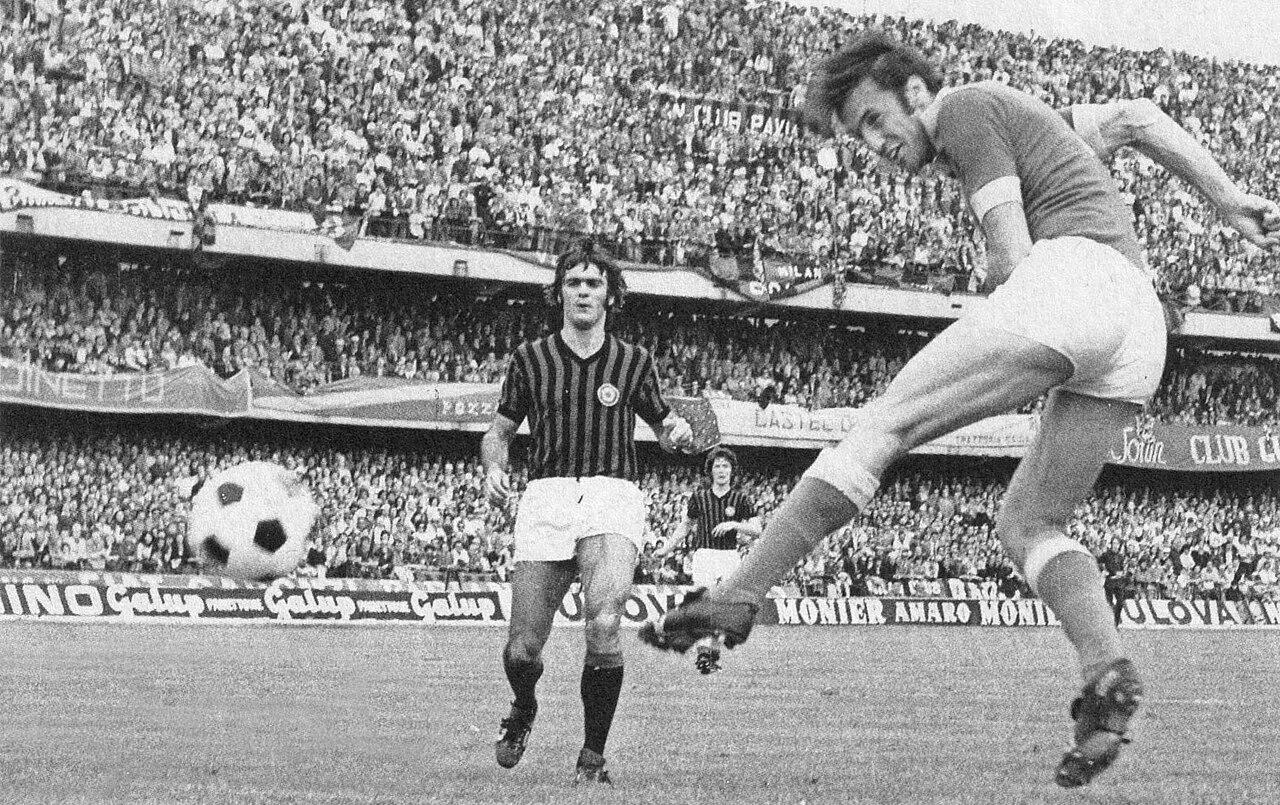
Milan won two cups in six weeks and lost the only crown they truly wanted on the last afternoon of the season: five goals conceded at Verona by men Nereo Rocco called corpses. Four days separated the mud of Thessaloniki from the sunshine of the Bentegodi, and they cost a scudetto.
2,560 words · 7 sources
1974
The Final Nobody Came To
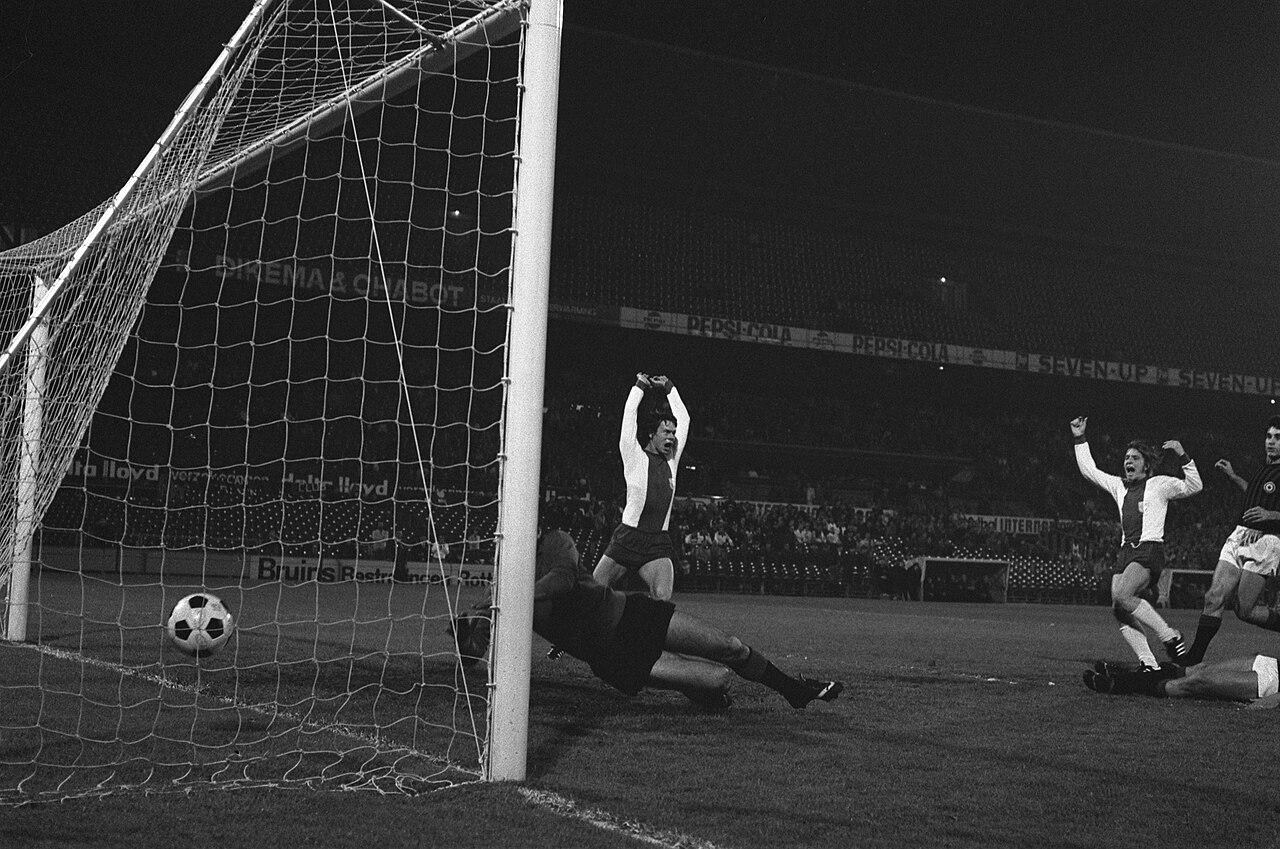
Rocco pushes back his chair, Ajax hand down six lashes in Amsterdam, and the holders of the Cup Winners' Cup lose their crown to Magdeburg before 4,641 souls at De Kuip. The year the old Milan died, quietly, in an unfilled stadium, and an all-Italian autumn began.
2,499 words · 8 sources
1975
The Prince Buys the Castle
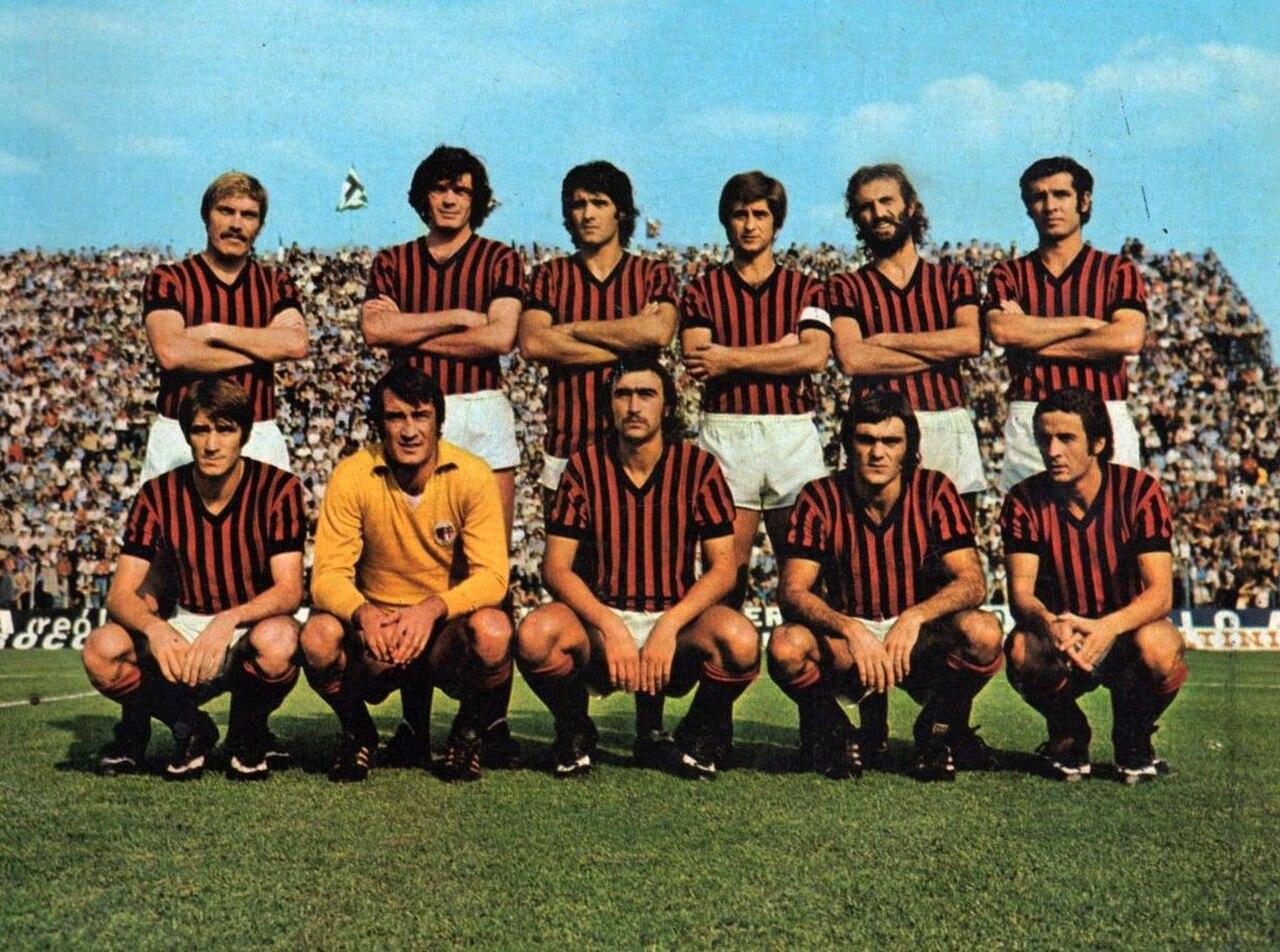
Fifth place, a cup final lost in Rome to a substitute's goal, the armband torn from Rivera in a boardroom war, and a goalless night in the Irish midlands that Milan never forgot. Purgatory, told with affection.
2,284 words · 6 sources
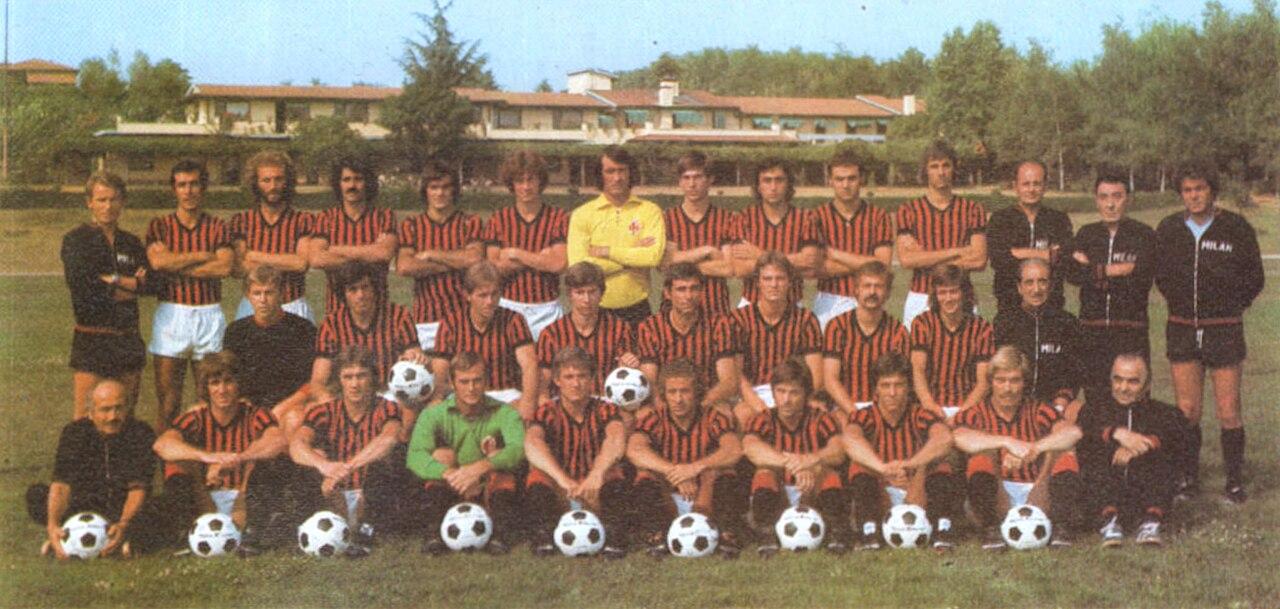
1976
Three Presidents and the Cloud over Seveso
Three presidents in a single season, a derby double, Belgian heartbreak, and the wretched, wonderful Egidio Calloni, all of it lived under Seveso's poisoned cloud. Milan's hinge year, sustained on unreasonable faith.
2,025 words · 8 sources
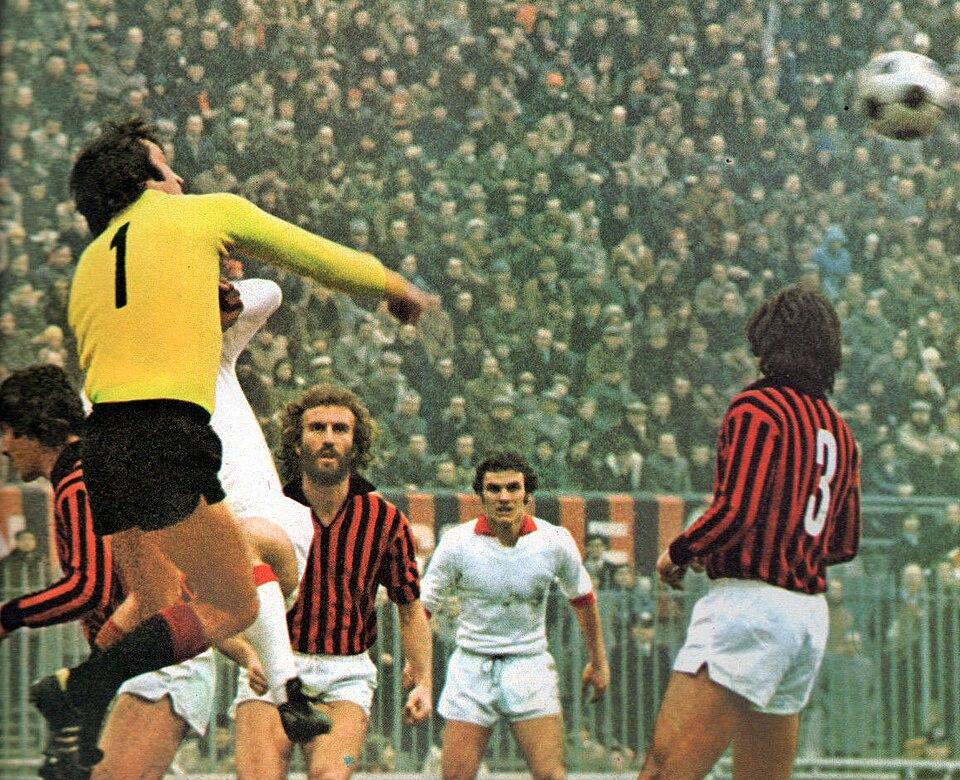
1977
Seventeen Handshakes and a Cup in July
In a city choked by the years of lead, a tenth-placed Milan found one silver night in July, a fourth Coppa Italia won in the only all-Milanese final, the last bow of Nereo Rocco, the last steps of Sandro Mazzola, before Nils Liedholm came home and carried the Diavolo to the top of the table.
1,891 words · 7 sources
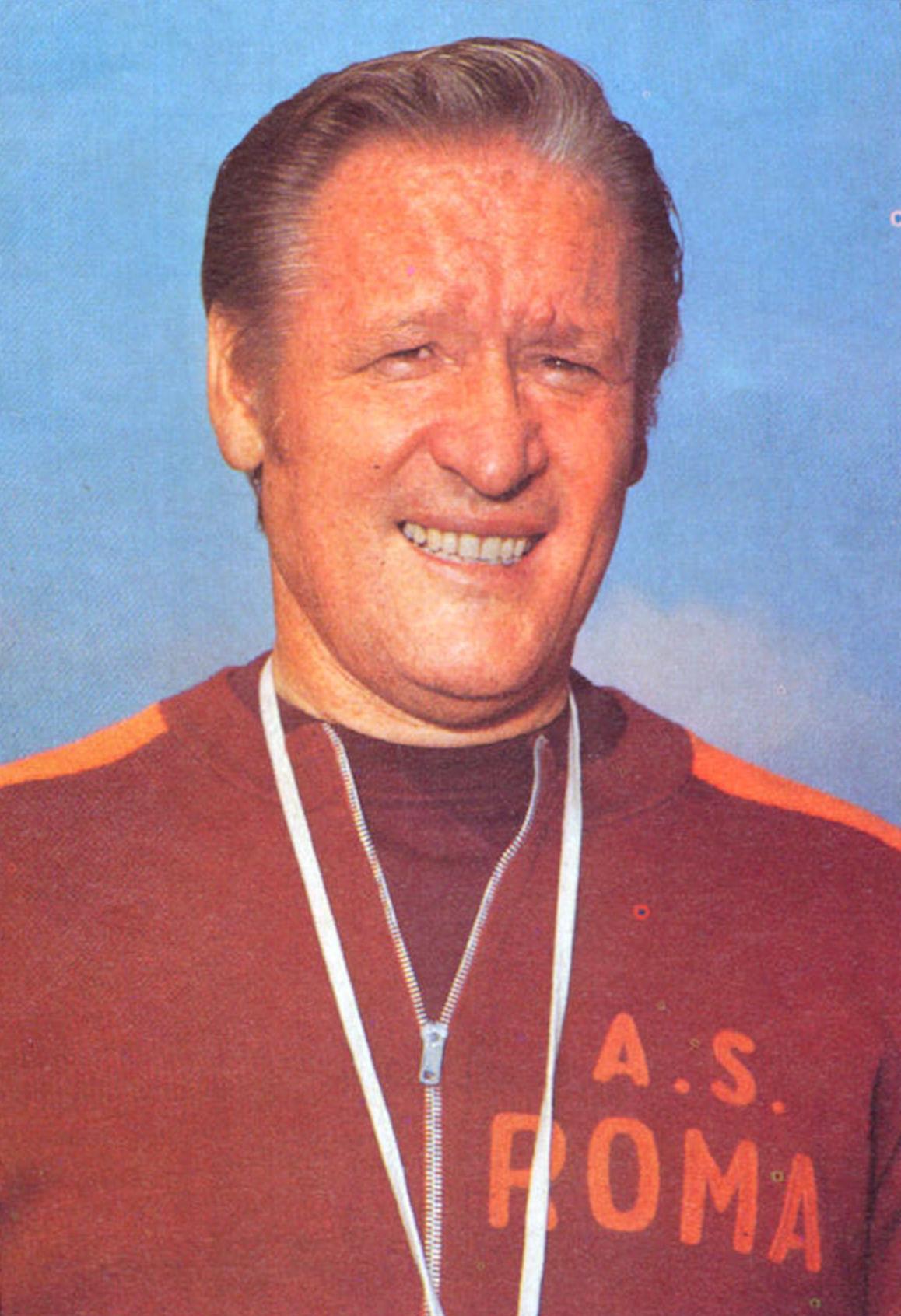
1978
A Suspension at Verona, a Crown in December
In a year when Italy held its breath, Moro taken in March, three popes by October, Liedholm's Milan finished one season in Lent and began another as winter champions, and a seventeen-year-old named Franco Baresi walked out at Verona and never really left.
1,871 words · 7 sources
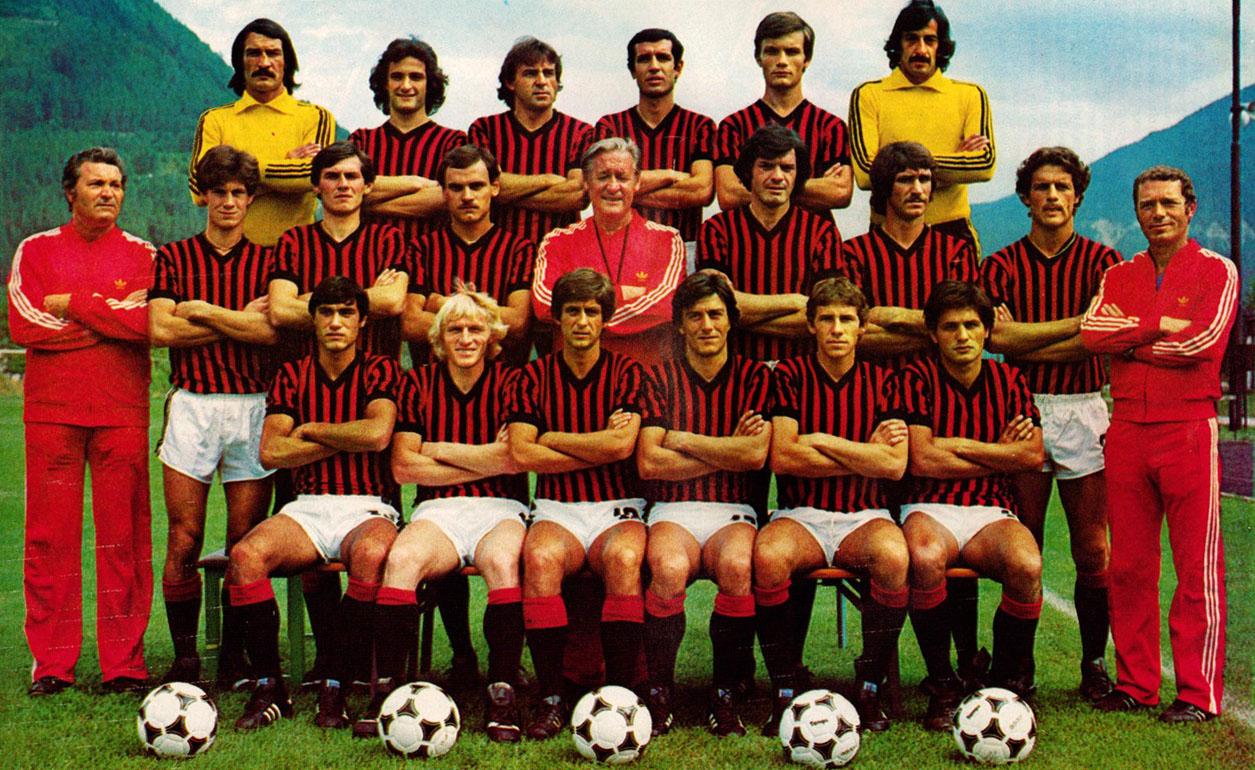
1979
Mendoza, and the Last of the Abatino
Milan stitch the first stella in Italian football above the badge, ten scudetti, sealed nil-nil in front of 65,044, while Gianni Rivera plays his 501st and final league match, and then his true last match, in the dust of Mendoza. By October the champions are out of Europe; by December a storm is gathering just beyond the year's edge.
2,529 words · 11 sources
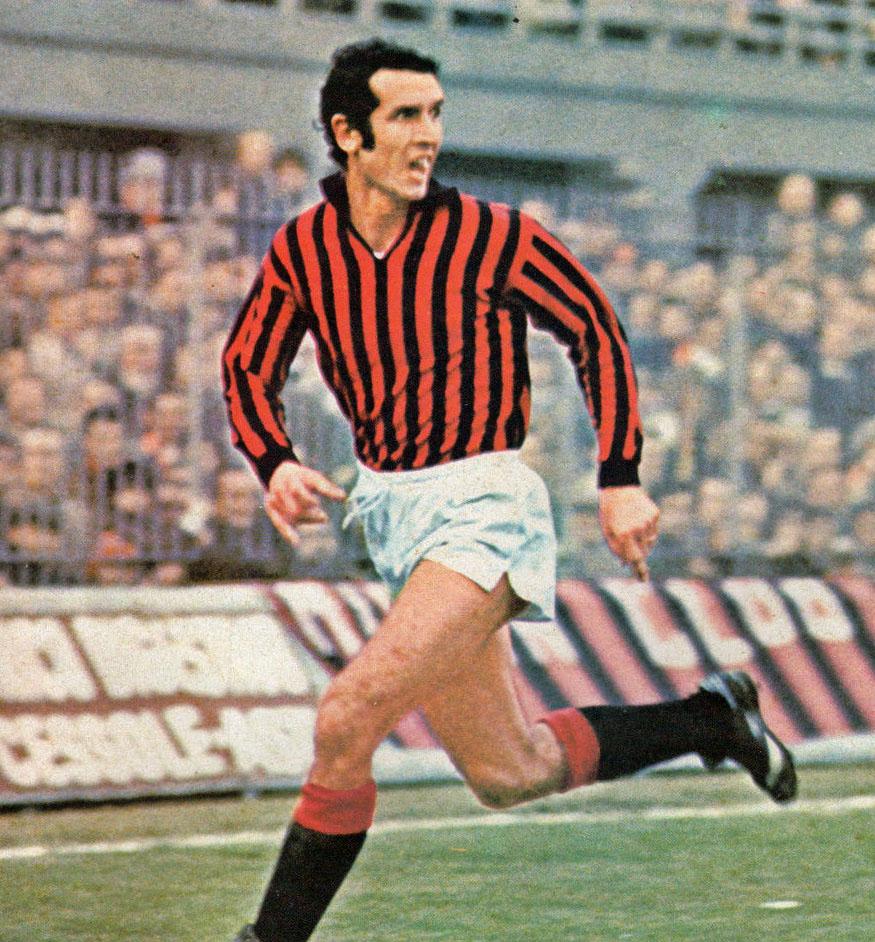
1980
The Epiphany They Sold
Totonero sends a third-placed Milan down to Serie B for the first time in the club's history, while, half-forgotten by the official record, the Diavolo crosses the world and plays an afternoon in Adelaide.
2,662 words · 11 sources
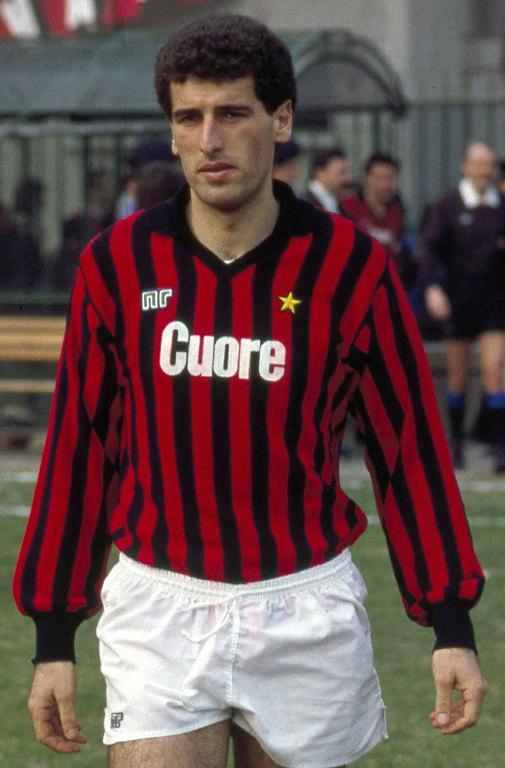
1981
Promoted in June, Last by November
A calendar split clean down the middle: the spring that lifted Milan out of Serie B at the first attempt, and the autumn that began to drag them straight back down, with a toothless Scottish shark leading the line and a boy named Baresi growing mysteriously thin at the heart of the defence.
1,982 words · 8 sources
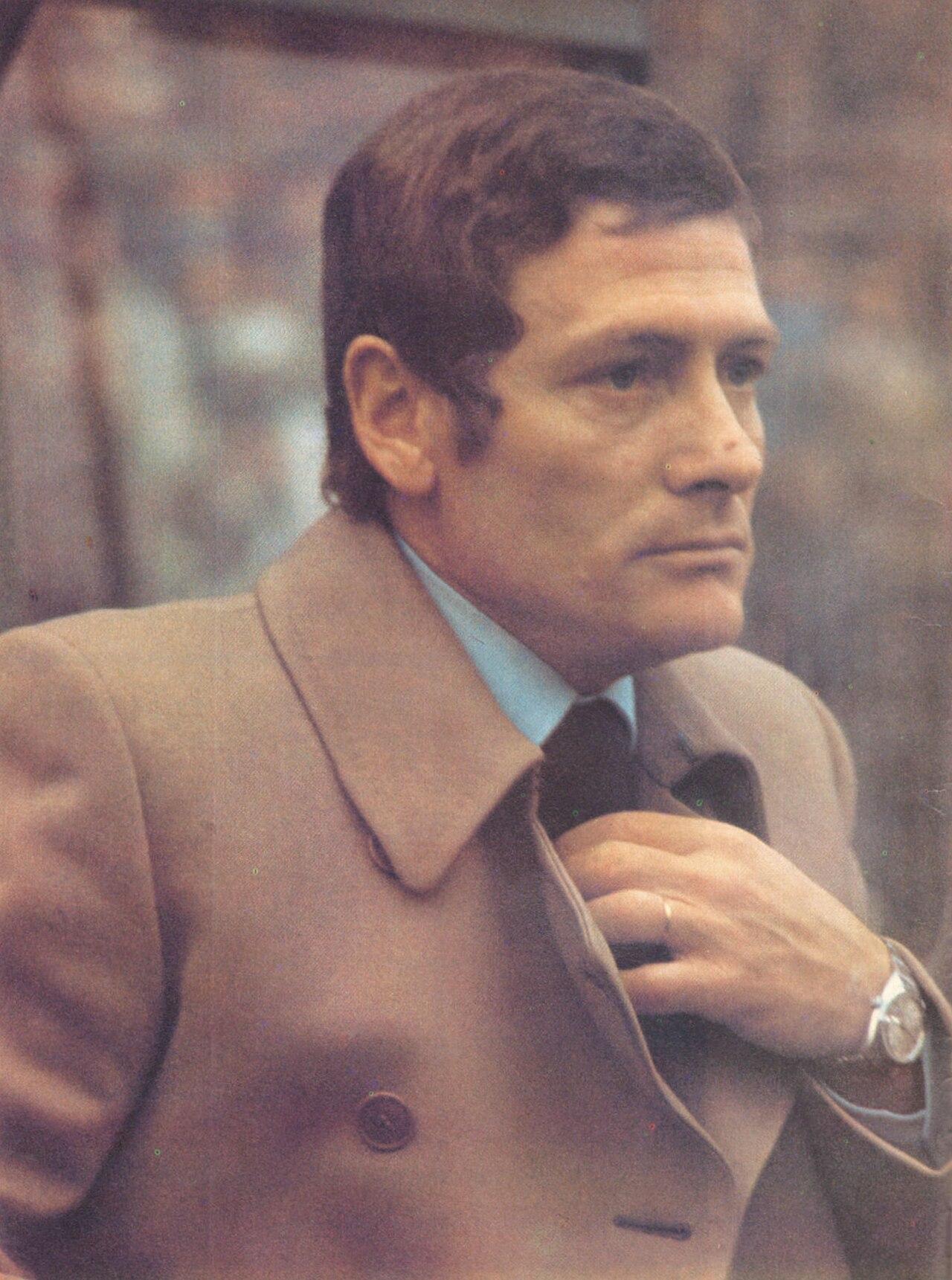
1982
They Won at Cesena and Went Down
Milan won their final match and were relegated anyway, lifted a trophy nobody sang about four days before the fall, and watched Italy conquer the world from the wrong side of the glass. In the middle of it all, a sick young sweeper decided that Milan was his life.
2,576 words · 8 sources
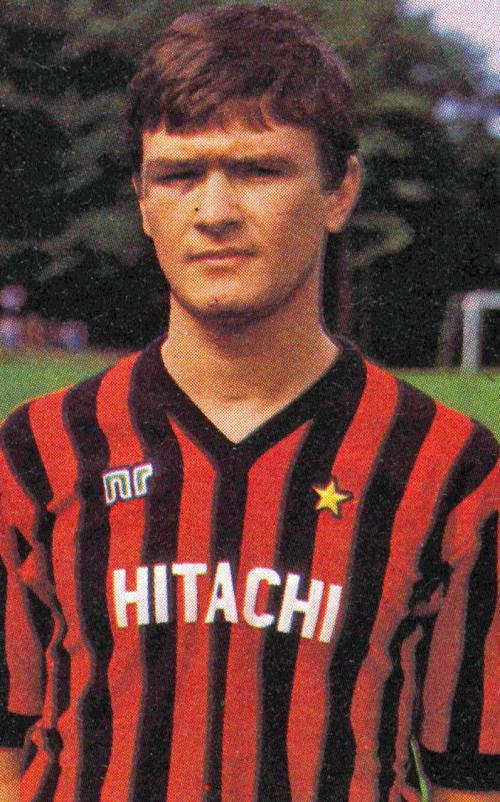
1983
Fifty-Four Points and a Pressed Suit
Milan climb out of Serie B as champions behind a 22-year-old captain named Franco Baresi, then spend a whiplash autumn back in the top flight, bankrolled by a summer of shopping in three languages that brought a million-pound Englishman named Luther Blissett to San Siro.
1,554 words · 4 sources
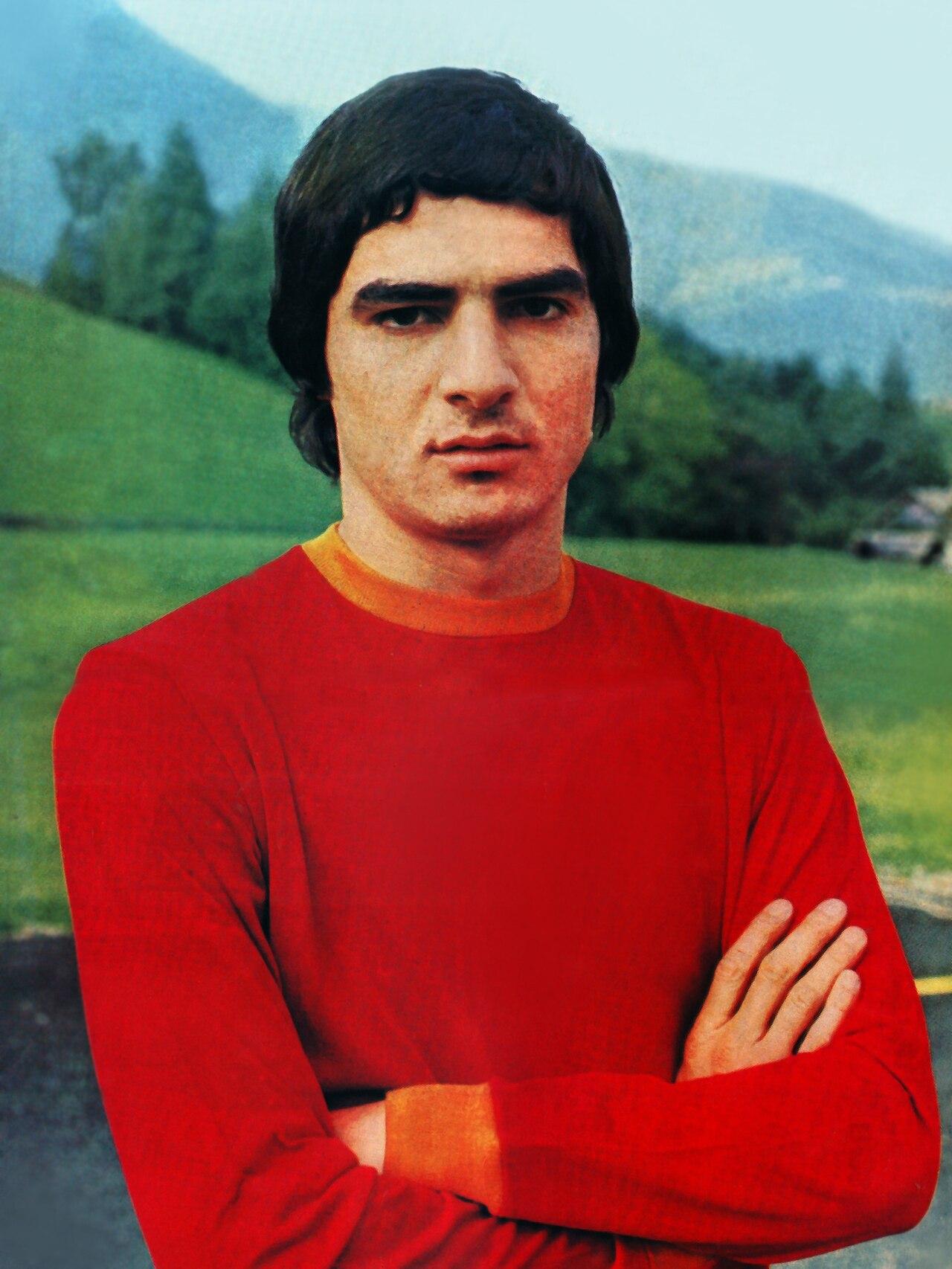
1984
Six Years, Ended in the Air
A convalescent Milan drew its way through a grey winter, sold its unluckiest Englishman, welcomed back the Baron, and on an October Sunday rose, on Hateley's forehead, out of six years of derby sorrow.
2,268 words · 7 sources
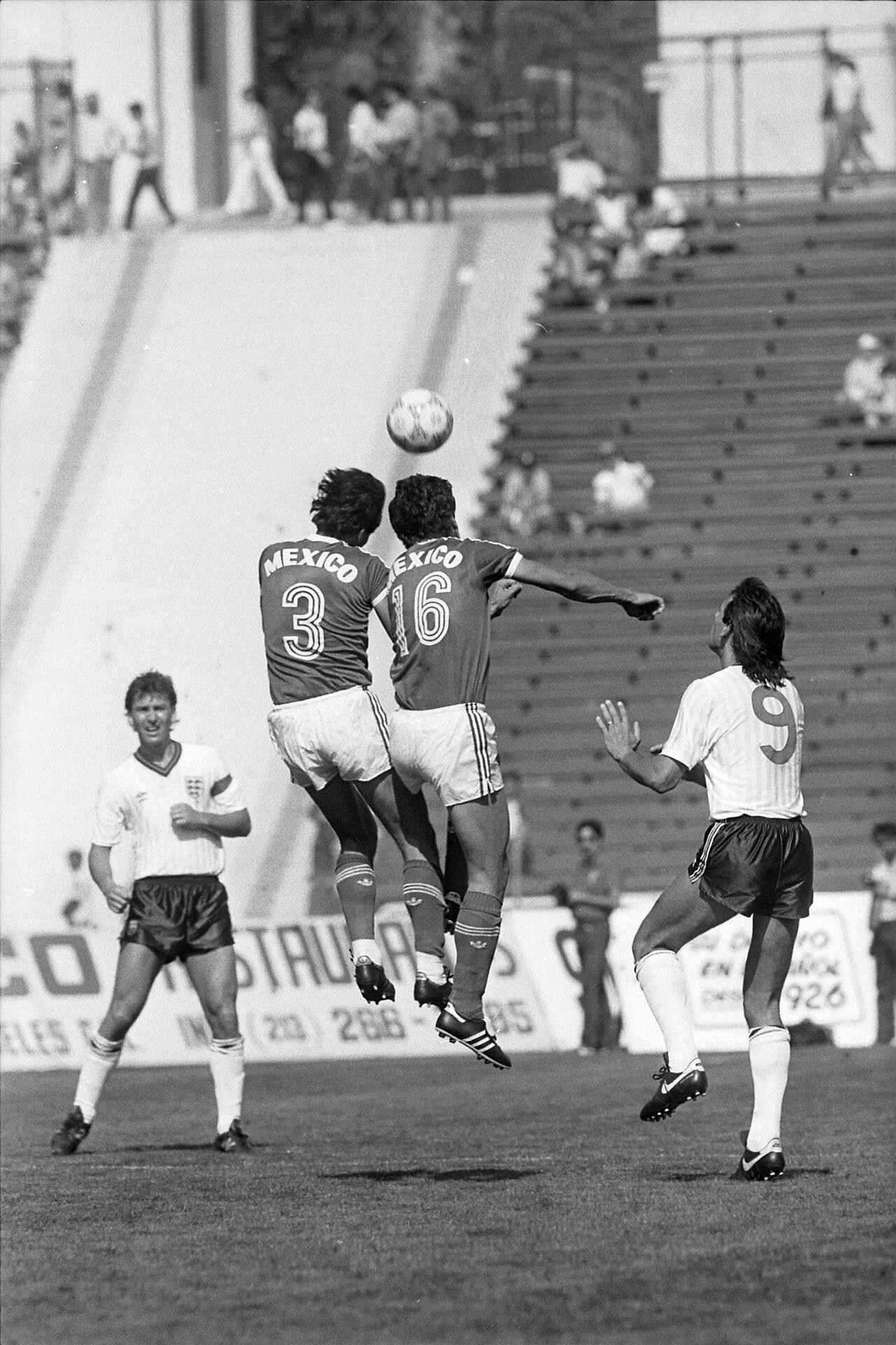
1985
Twenty-Five Seasons Began at Udine
Fifth place and no silver, a cup final surrendered to Sampdoria's first feast, Paolo Rossi bought as a memory while Farina's money ran out, and on an icy January afternoon at Udine, a sixteen-year-old named Paolo Maldini went on for an injured man and stayed for twenty-five seasons.
1,792 words · 8 sources
1986-1996
Berlusconi, Sacchi, Capello
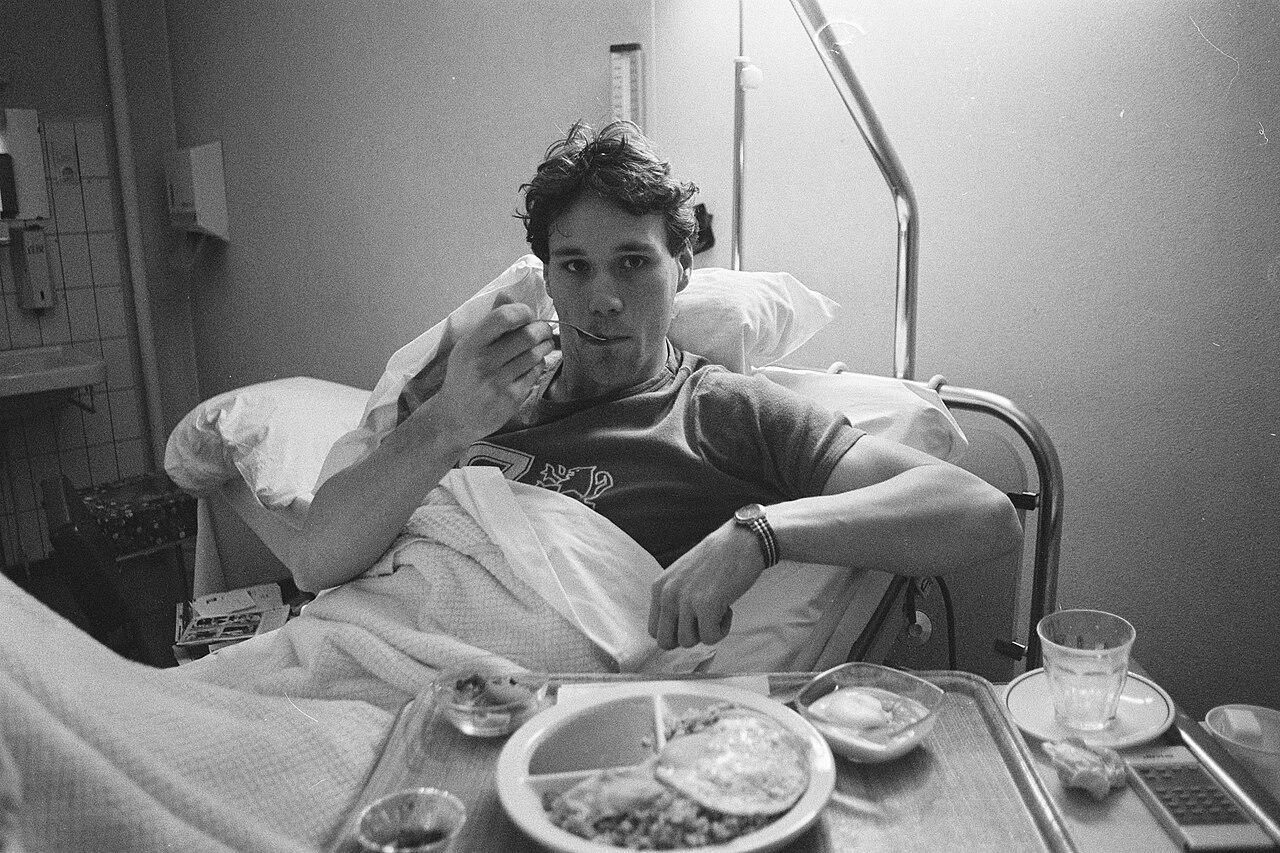
1986
Six Billion Lire and the Ride of the Valkyries
The year Milan nearly died and was born again: Berlusconi buys a bankrupt club for six billion lire, helicopters descend on the Arena Civica to Wagner, and Pablito's light quietly goes out.
1,982 words · 10 sources
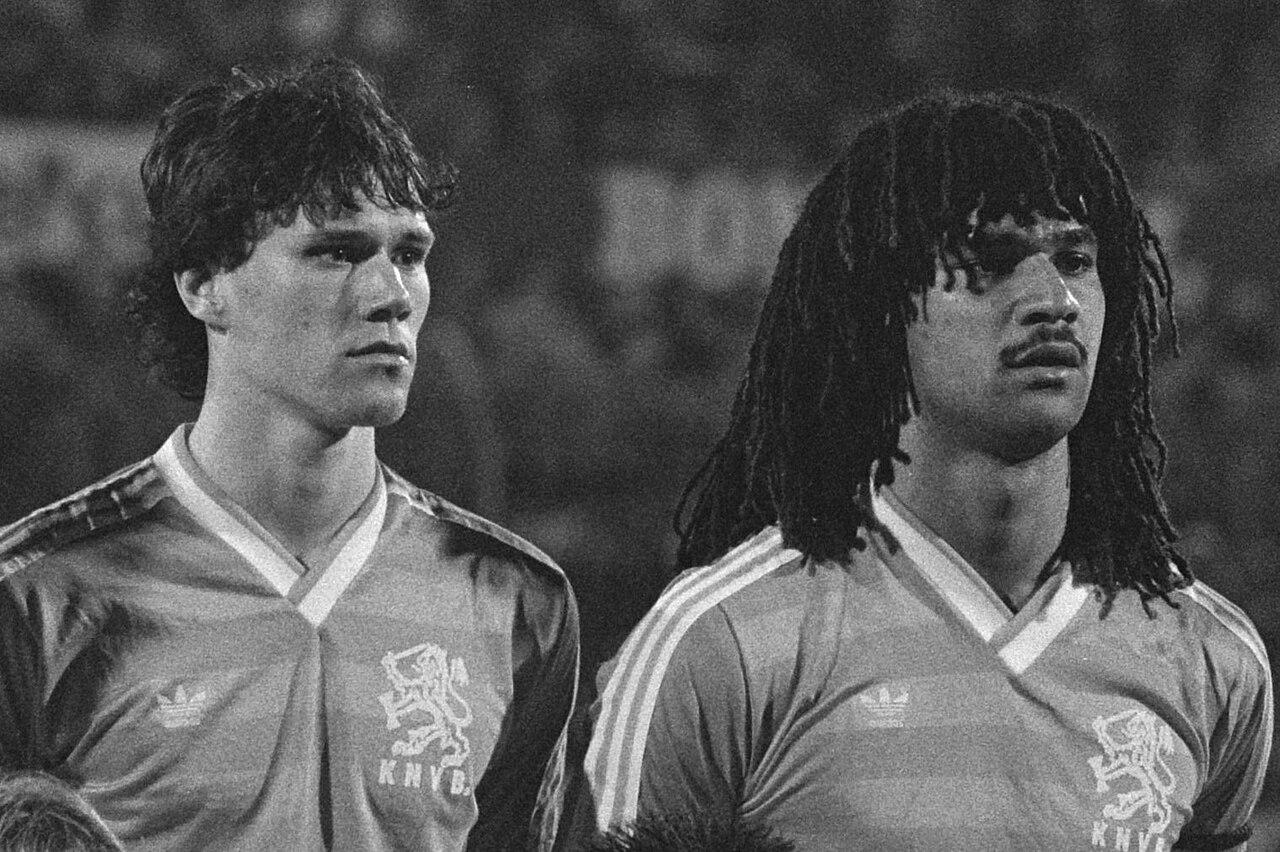
1987
The Secret Medical and the Golden Ball
A Dutchman passed a medical in Milan in January and told nobody; a fifth-place season was salvaged by a single goal in the 102nd minute in Turin; then a provincial prophet took the dugout, two Dutchmen came off the plane, and a Ballon d'Or was dedicated to a man in a cell on Robben Island. The year Milan changed forever, and spent most of it not knowing.
2,238 words · 9 sources
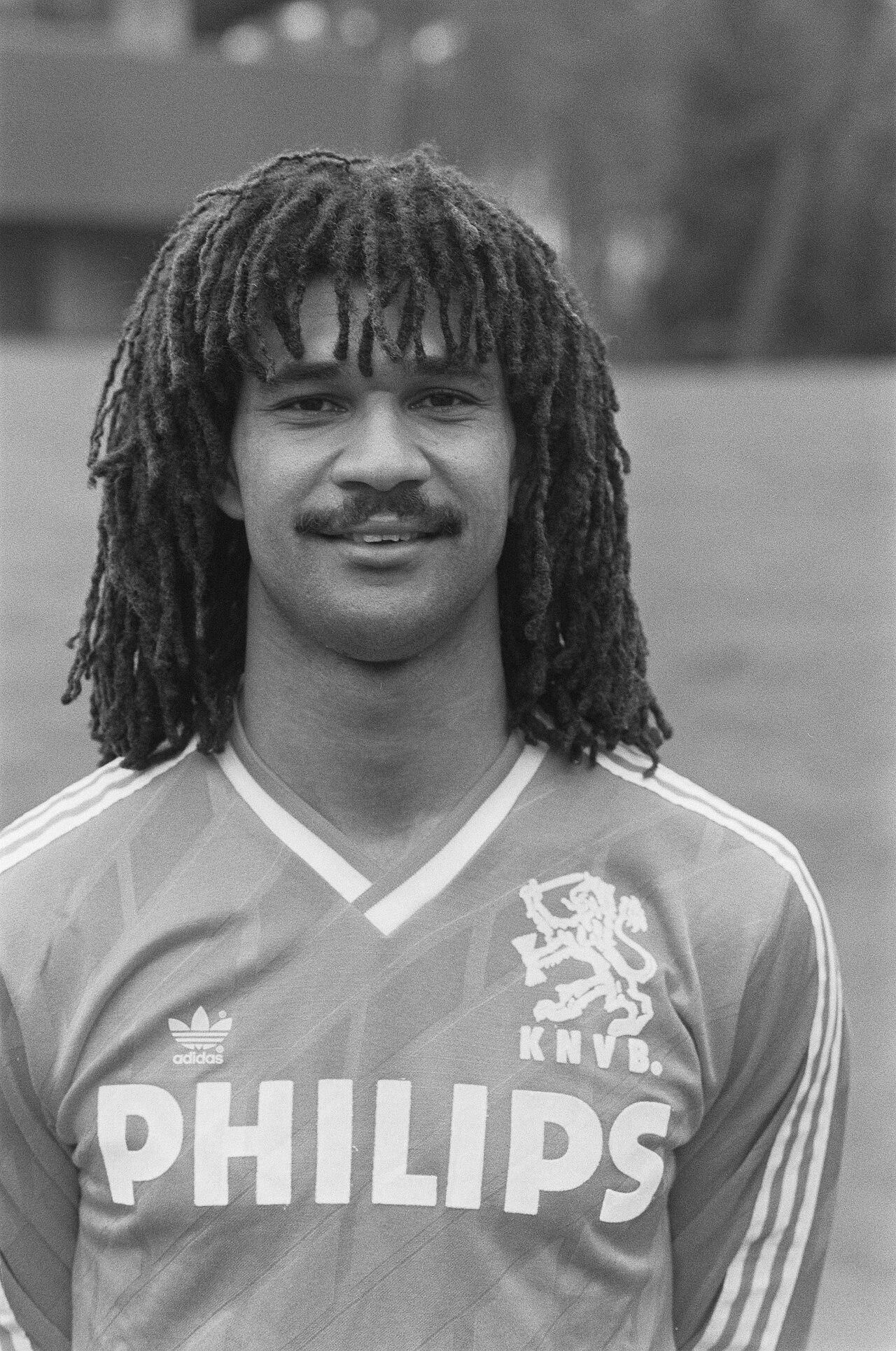
1988
Gold, Silver and Bronze in the Same Shirt
A scudetto in May after nine years of hunger, a volley in Munich in June, fog over Belgrade in November and an all-Milan podium at the Ballon d'Or by Christmas: the twelve months in which the Diavolo stopped remembering greatness and resumed manufacturing it.
2,653 words · 17 sources
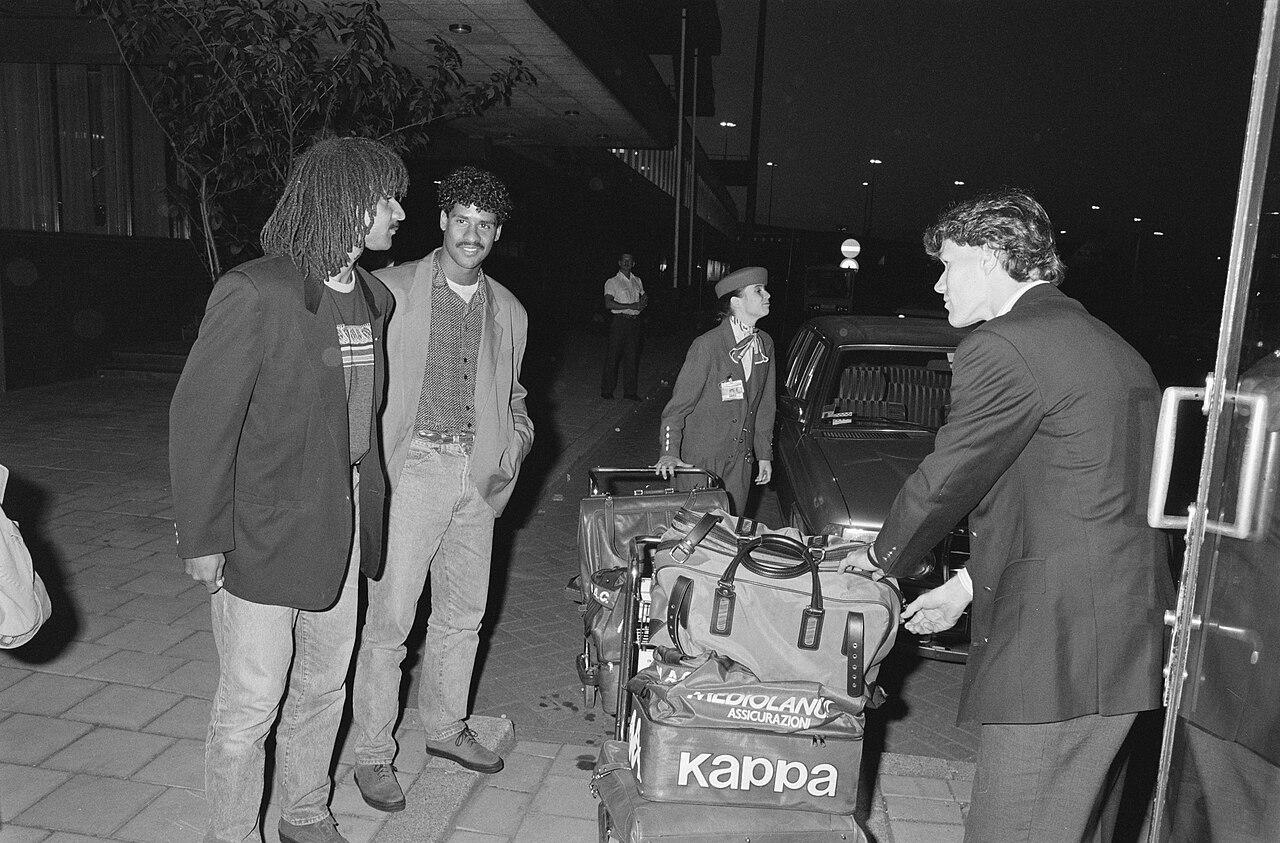
1989
Twenty Years, Ninety Minutes
Twenty years after their last European crown, Sacchi's Milan swept the European Cup, the Super Cup, the Intercontinental Cup and the first Supercoppa Italiana: a year of near-tragedy in Belgrade, a five-goal lecture to Real Madrid, and four unanswered goals in Barcelona.
2,738 words · 9 sources
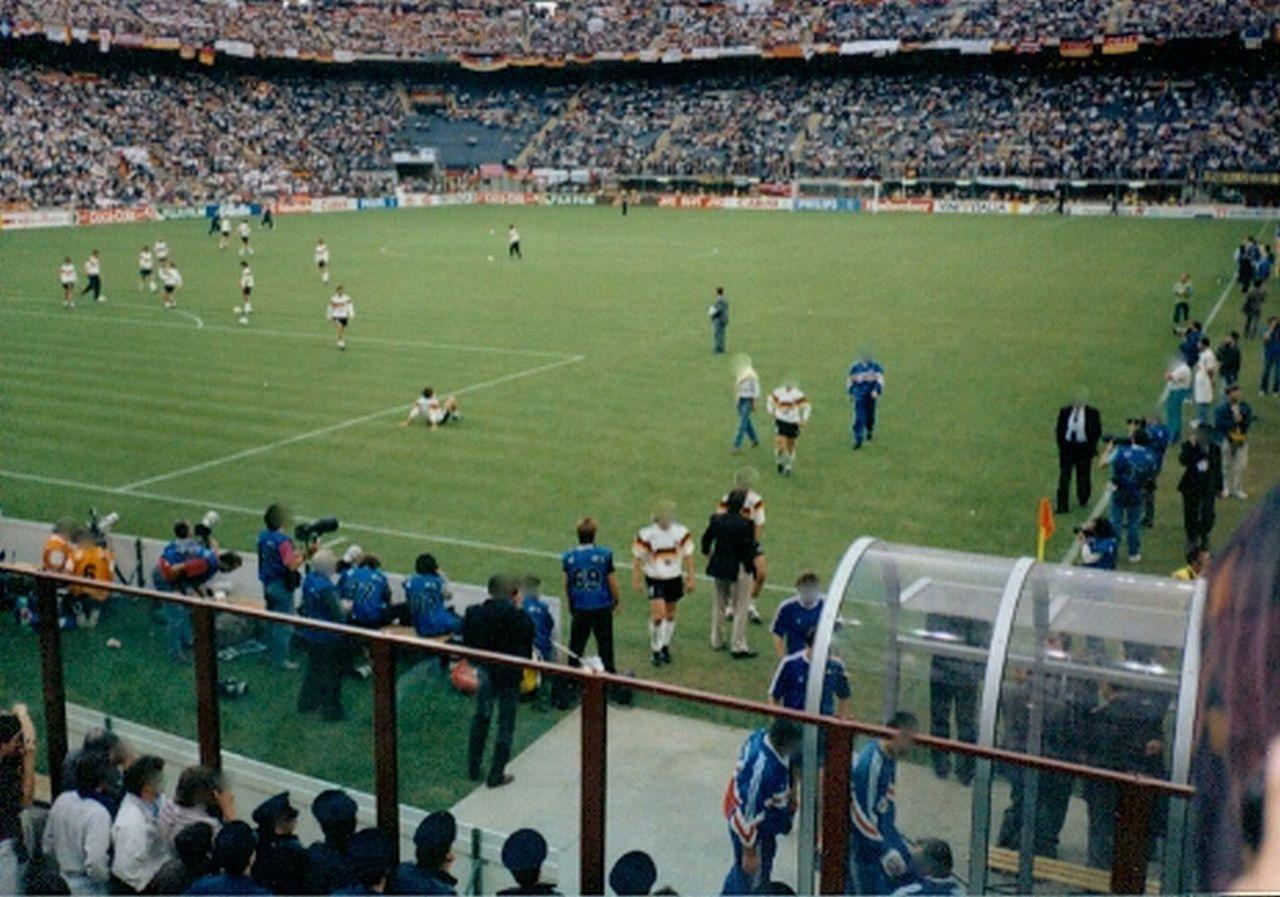
1990
Three Acts of the Quiet Dutchman
Milan retain the European Cup in Vienna, add the Super Cup on borrowed grass and the world title in Tokyo, yet lose the scudetto by a single win while Italia '90 borrows San Siro, and Frank Rijkaard, the quiet Dutchman, lives a year no novelist would dare to plot.
2,341 words · 11 sources
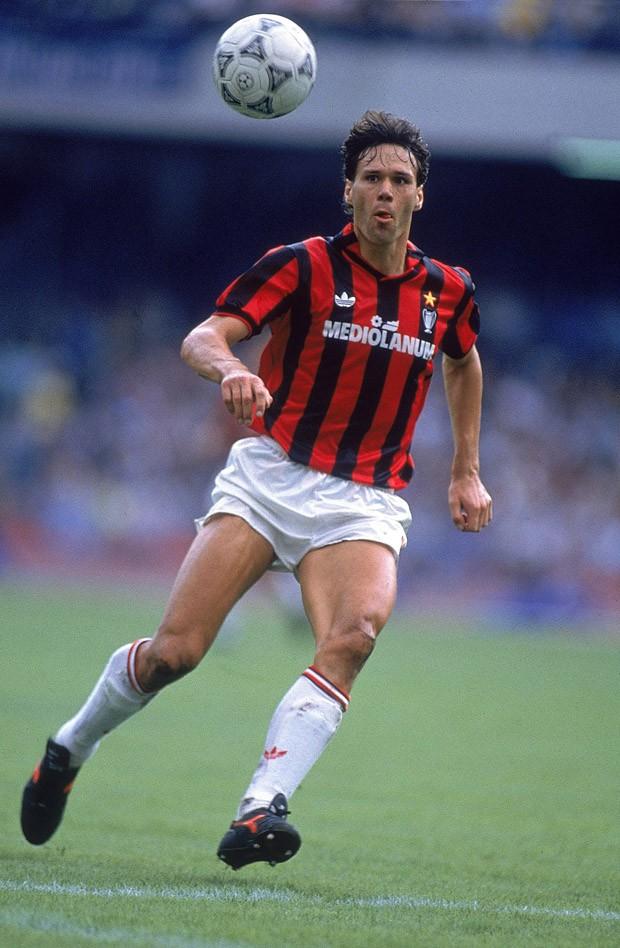
1991
A Forfeit in March, a Foundation in September
Sampdoria take the title, the Vélodrome goes dark, and Sacchi gives way to Capello; yet from the wreckage of a trophyless, shame-tinged spring, the autumn quietly assembles the Invincibili.
1,996 words · 9 sources
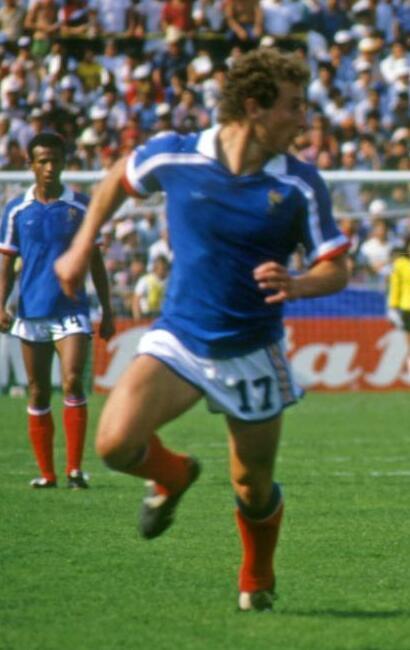
1992
Thirty-Four Matches, Not One Defeat
While the magistrates of Mani Pulite led the old Italy away in handcuffs, Capello's Milan completed the first unbeaten title-winning campaign in the history of Serie A, broke the world transfer record twice in a single summer, and closed the year with Van Basten holding a third Ballon d'Or and a Swiss surgeon taking ten pieces of bone out of his ankle.
2,361 words · 12 sources
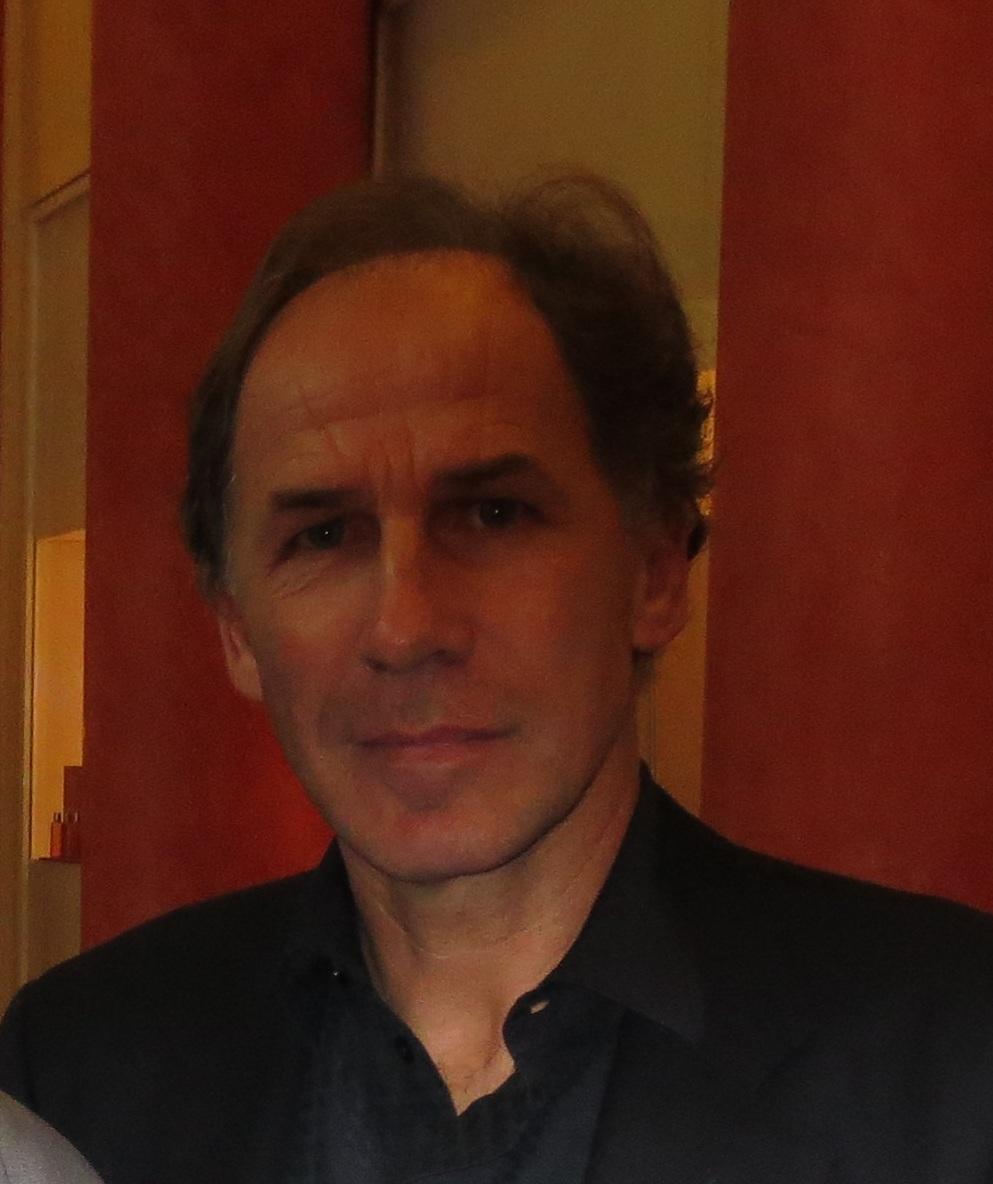
1993
A Header in Munich, a Wheel Near Asti
A thirteenth scudetto, a final lost by a single header in Munich, the world's most expensive footballer pulled from a burning Porsche on an August road, and, for one southern winter, the Diavolo on Australian grass. The year Capello's machine proved that even perfection is mortal, and kept winning anyway.
2,552 words · 13 sources
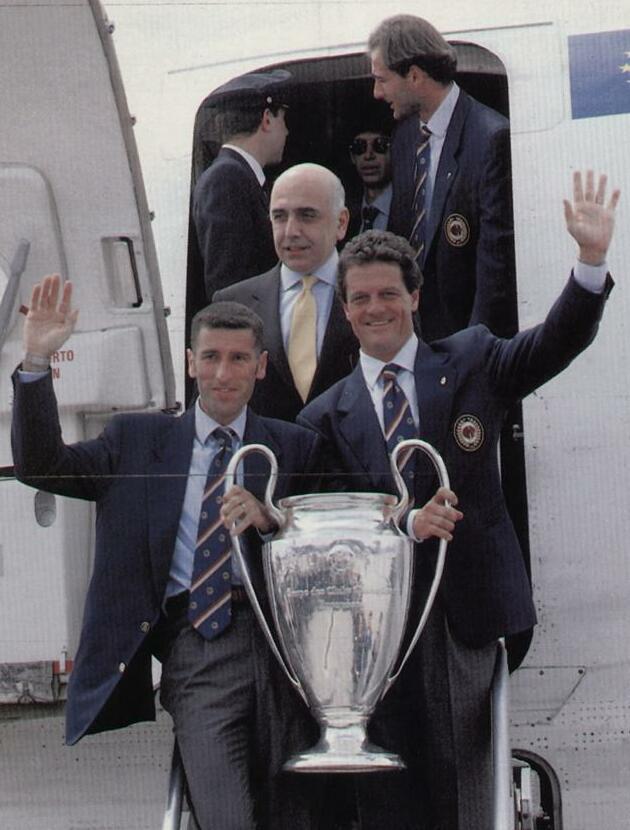
1994
Prove It, Genius
A third consecutive scudetto won by monastic defence, the most one-sided final the young Champions League had yet seen, and an owner sworn in as Prime Minister eight days before Athens: 1994 was the high noon of the Berlusconi era, and the shadows it cast were short and sharp.
2,229 words · 11 sources
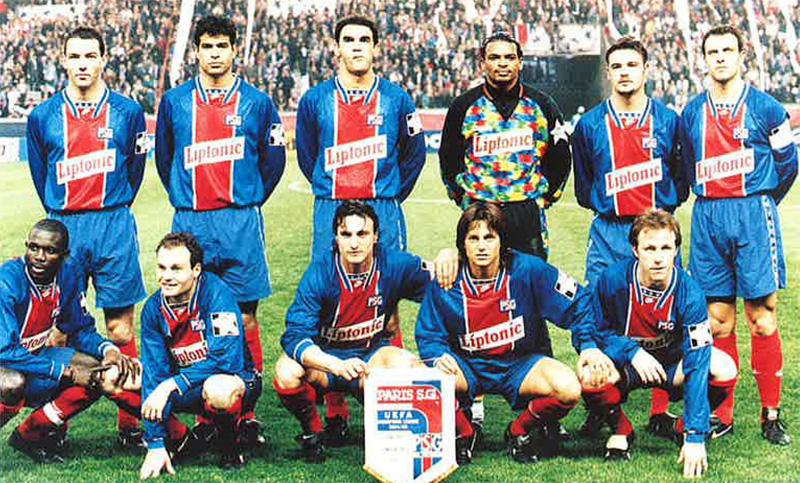
1995
Four Operations and a Ballon d'Or
Milan lose Europe to a single late goal in Vienna and lose Marco van Basten to an ankle that would not forgive him; on Christmas Eve George Weah is handed the Ballon d'Or, and the fifteenth scudetto is already in the ground.
2,569 words · 10 sources
1996
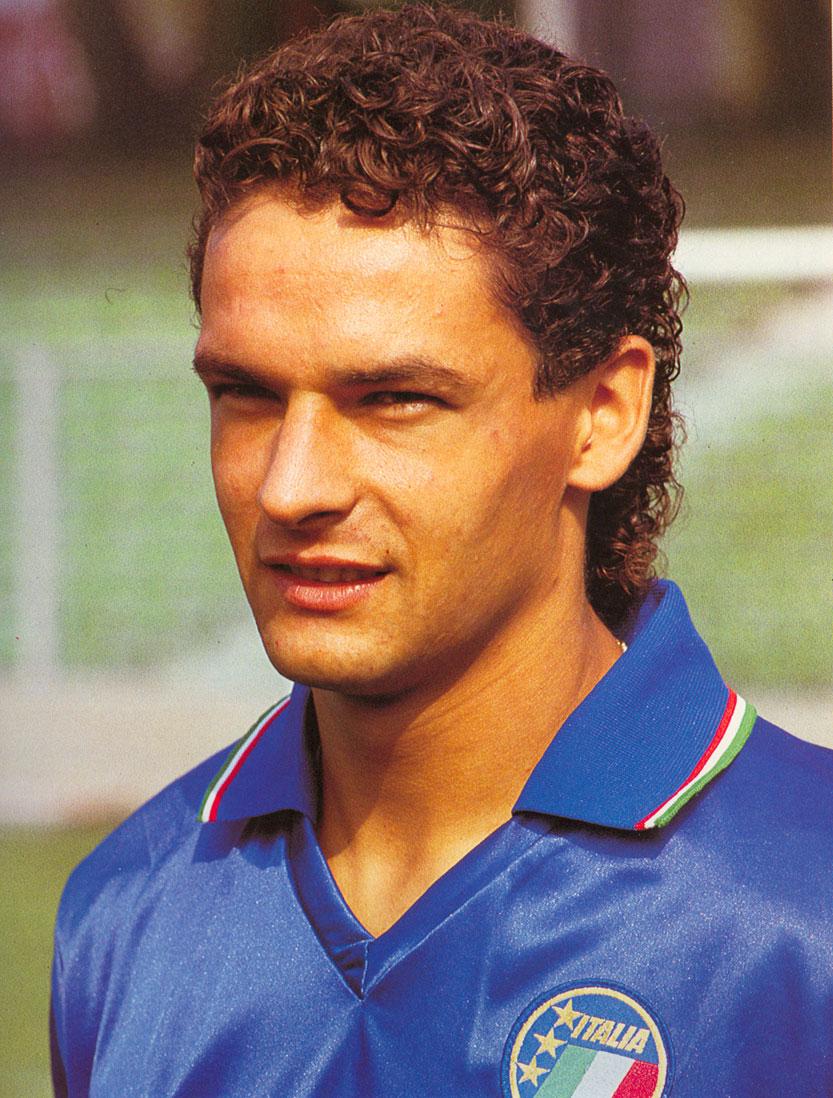
Ninety Metres and the Long Way Down
Capello's cold craft delivered a fifteenth scudetto in the April sunshine; by December the champions were sliding down the table, put out of Europe in their own house by Rosenborg, and only George Weah's ninety-metre run through Verona was still burning.
2,198 words · 8 sources
1997-2009
Ancelotti's Milan
1997
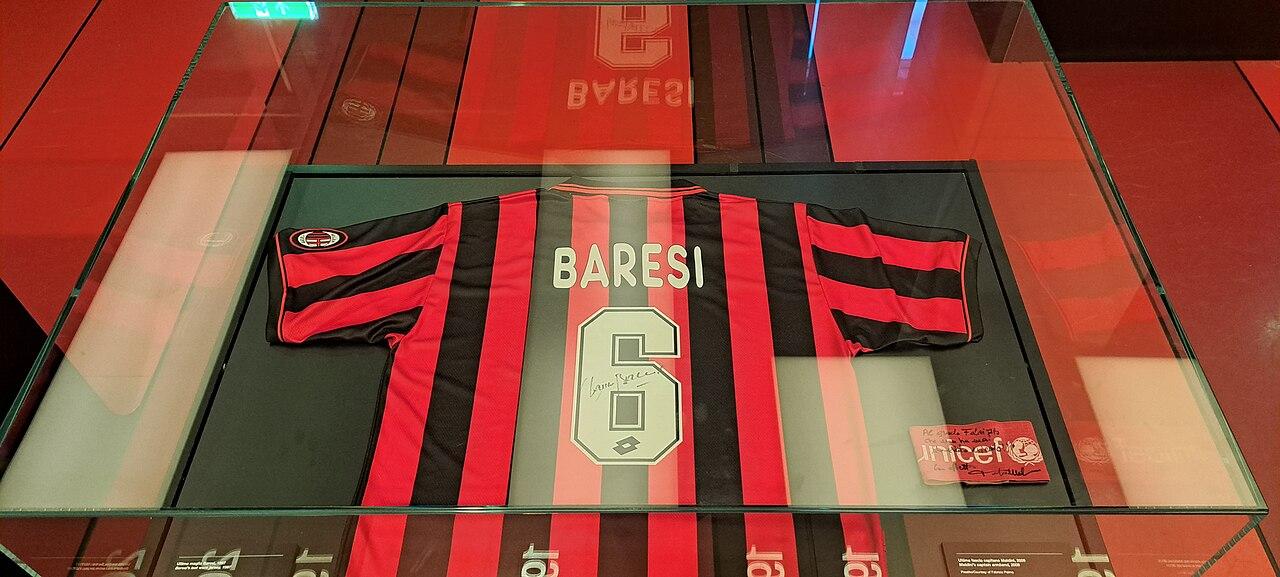
Six Conceded, Six Retired
Eleventh place, a 1-6 at home to Juventus, and a season without Europe: the grandest club of the decade fell into its darkest modern year, and redeemed it on one October evening, when San Siro said Sei per sempre to Franco Baresi and retired the number six forever.
1,766 words · 7 sources
1998
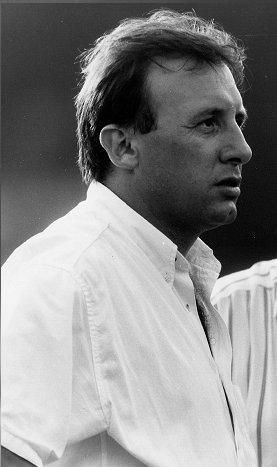
Two Milans and the Summer Between
Capello's grey, tenth-placed Milan died in the spring; Zaccheroni's doubted back three was born in the autumn. Between a lost final, a French World Cup and a thirty-year-old German nobody wanted, the centenary season quietly began to grow a scudetto.
2,152 words · 8 sources
1999
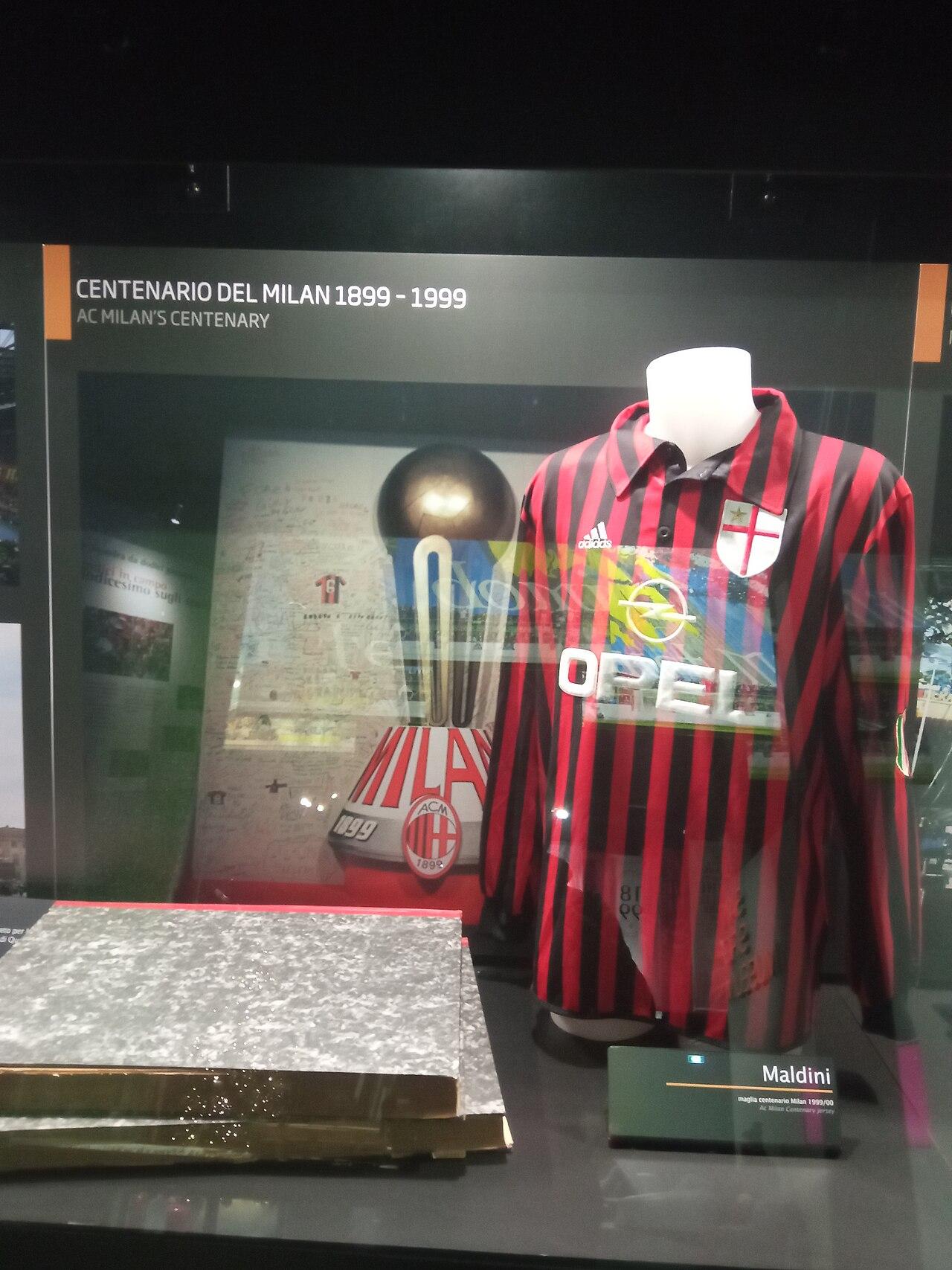
A Hundred Years, Won by a Point
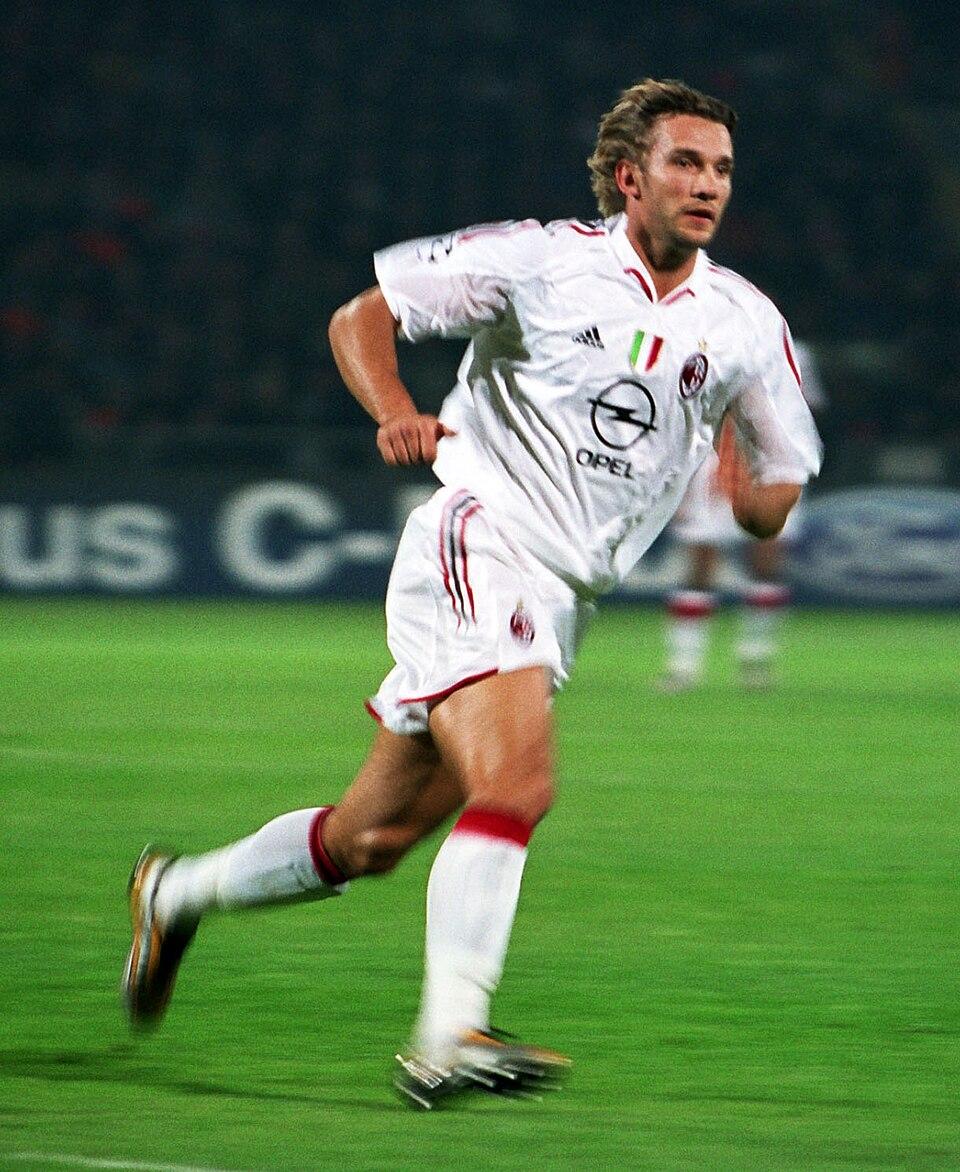
Milan's centenary season ends with a sixteenth scudetto seized in the Perugia rain by a single point; then summer delivers a record-fee Ukrainian named Shevchenko, a derby baptism, and a European lesson in mortality.
2,024 words · 12 sources
2000
The Wages Nobody Took
The title defence dissolved into draws and Zaccheroni's Milan slid from third toward sixth; yet the year kept its nobility: Shevchenko's twenty-four league goals, a famous night at Camp Nou, and two men, Weah and Redondo, who refused money the game assumes nobody refuses.
2,100 words · 9 sources
2001
Six Bells and a Quiet Monday
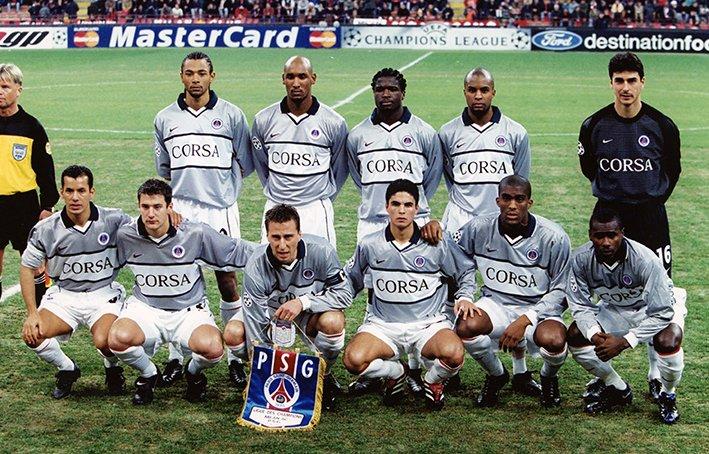
Sixth place, a sacking, and the cruellest 6-0 in the derby's history; then a chequebook summer, a deposed emperor, and a modest November appointment named Carlo Ancelotti. The year Milan put nothing in the trophy cabinet and everything in place.
1,923 words · 9 sources
2002
Deadline Day, and Two One-Nils in November
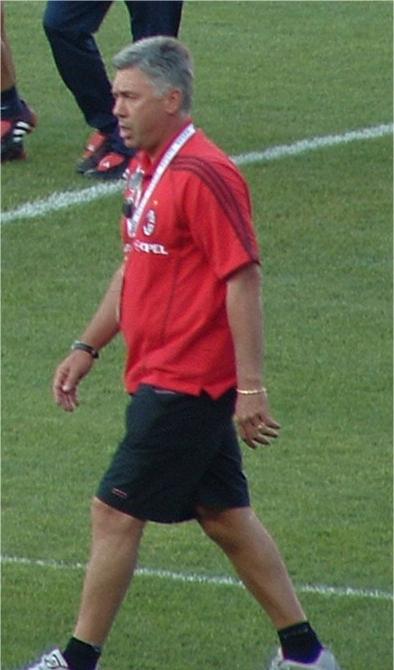
Carlo Ancelotti's first full year in charge: a fourth place won by a single point, a heartbroken captain bought in the last hours of the window from a collapsing Lazio, and an autumn in which Inter and Real Madrid were both beaten by the same score at San Siro in the same week.
2,065 words · 10 sources
2003
Forty Years, Two English Nights
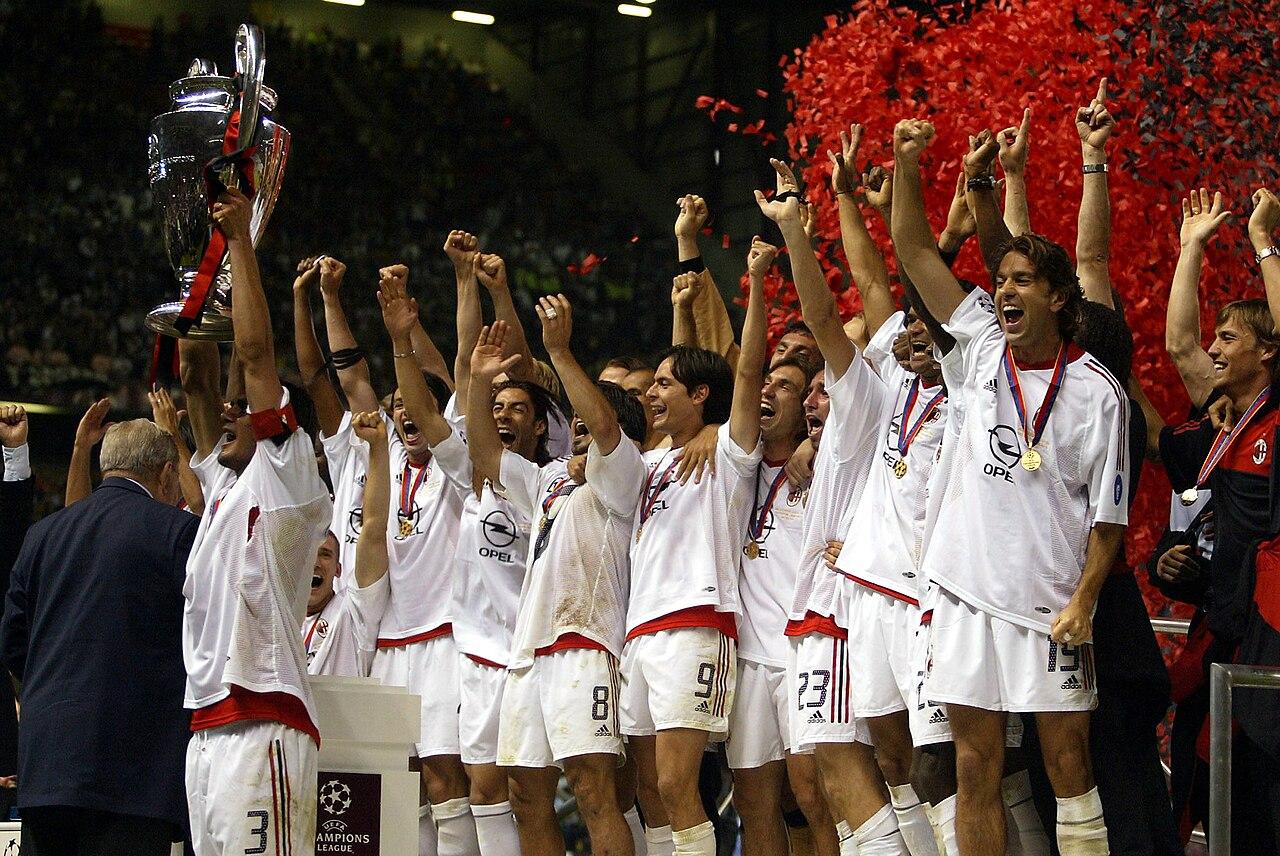
Forty years after his father lifted the first European Cup at Wembley, Paolo Maldini raised the sixth at Old Trafford. Ancelotti's diamond had cut through Ajax, Inter and Juventus, and an era announced itself.
2,282 words · 12 sources
2004
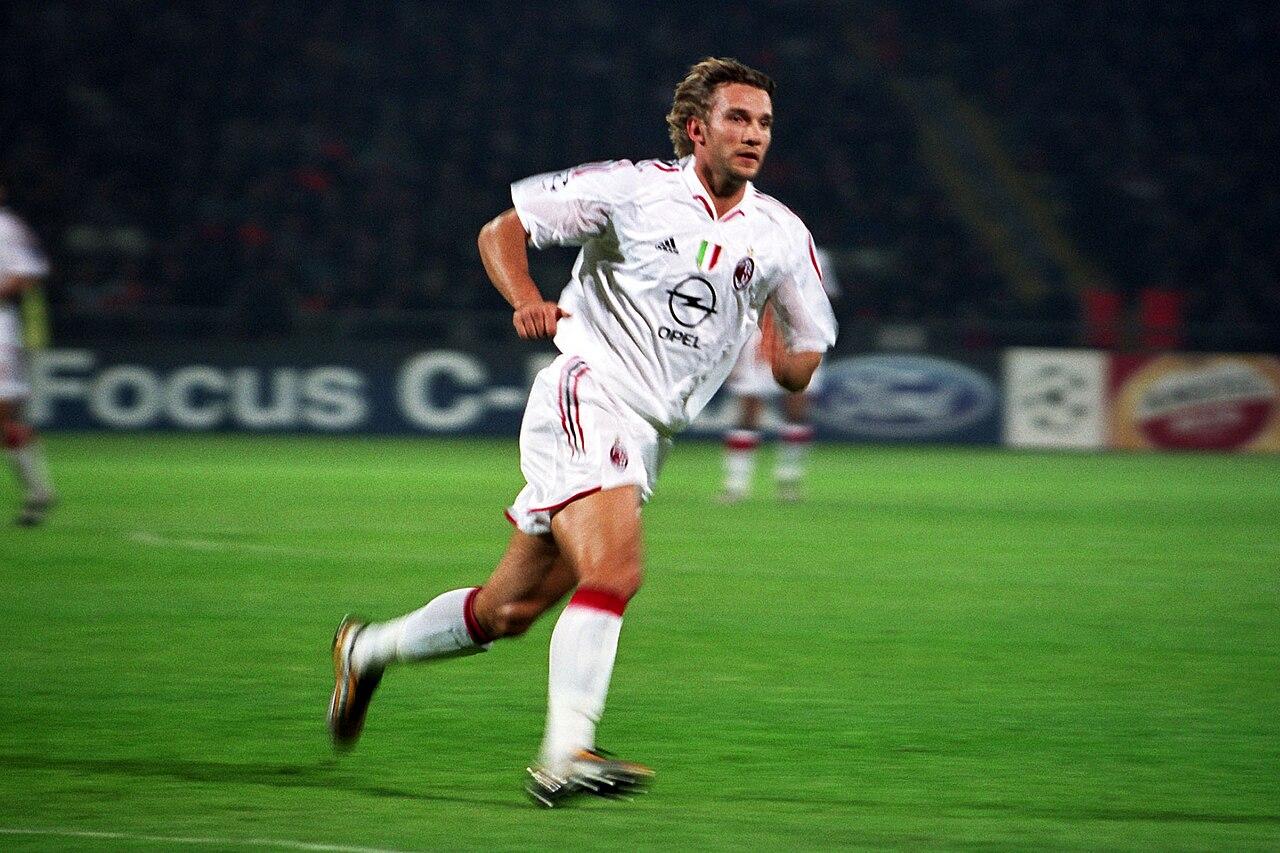
Eighty-Two Points, and a Wind Off Galicia
The seventeenth scudetto arrives on eighty-two points and a May afternoon against Roma, and the Riazor takes the European crown away in ninety Atlantic minutes. Between the triumph and the wound, Shevchenko wins the Ballon d'Or and Fernando Redondo teaches football what honesty costs.
2,308 words · 8 sources
2005
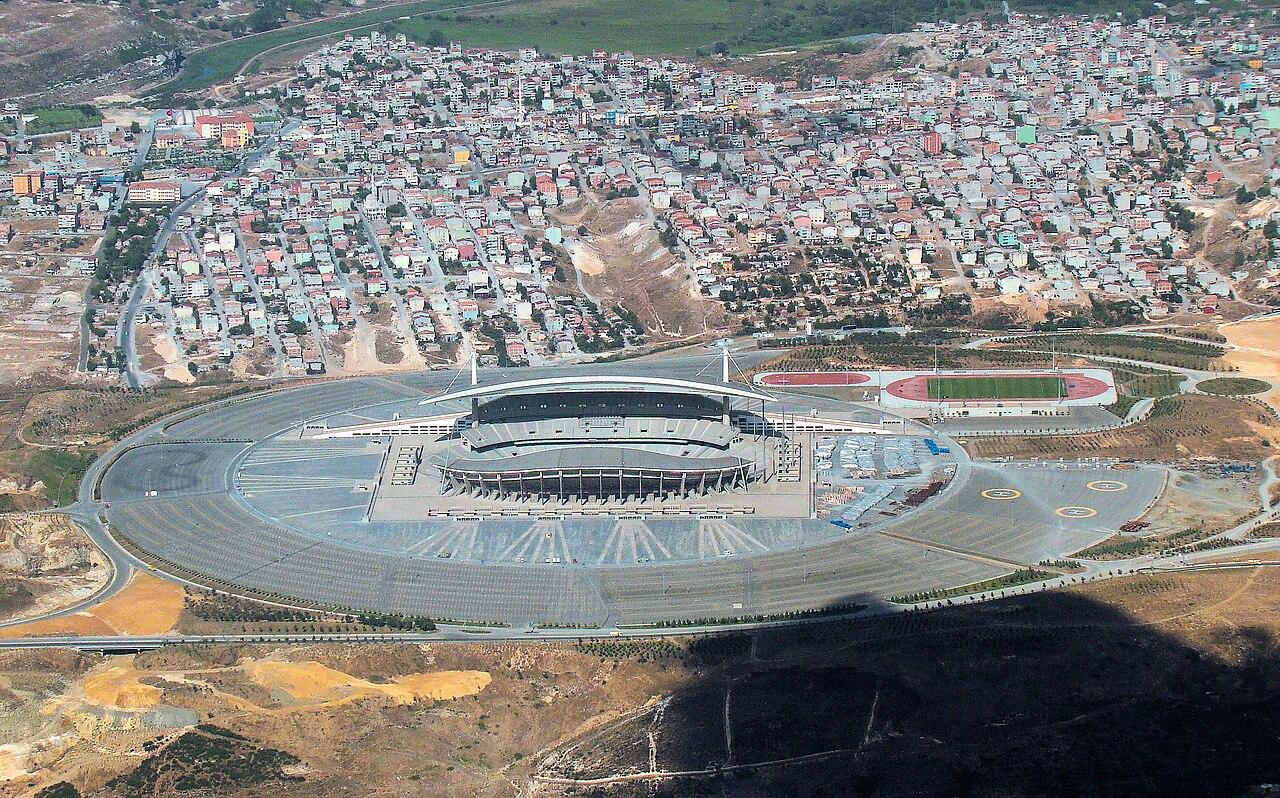
Fifty Seconds and Six Minutes
Ancelotti's Milan played perhaps the finest half of football a European final has ever seen and had lost it all before the hour; a chronicle of the cruellest of years, of Trezeguet's dagger in May, of the flare that fell on Dida, and of the autumn in which a great side got back on its feet.
2,589 words · 8 sources
2006
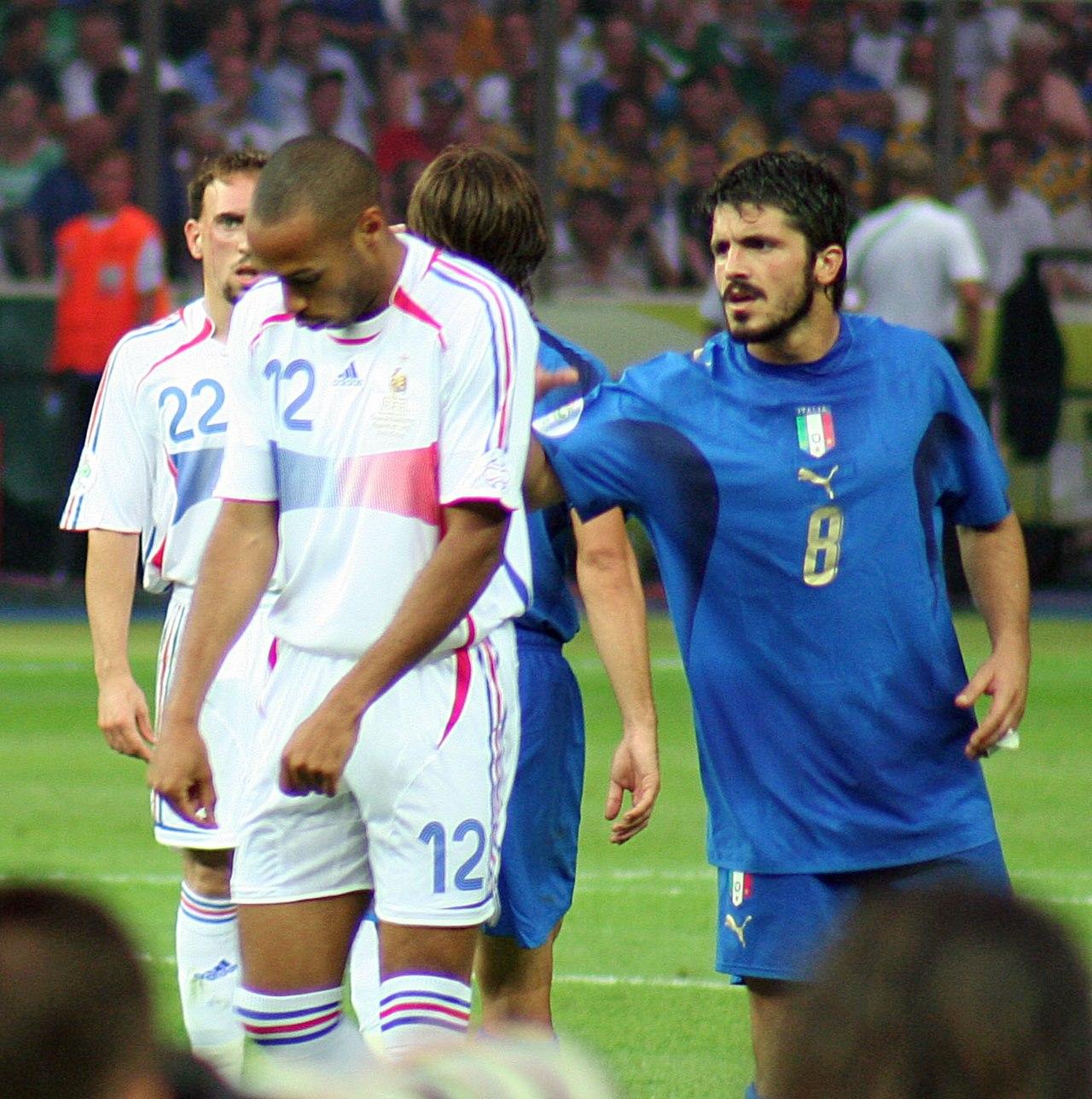
Wiretaps in May, Berlin in July
Calciopoli tears down the old order of Italian football, Italy wins the World Cup in Berlin with five Milanisti aboard, and Shevchenko leaves for London: a year of wiretaps and farewells that ends with a handicapped league table and a European road quietly pointing toward Athens.
2,271 words · 8 sources
2007
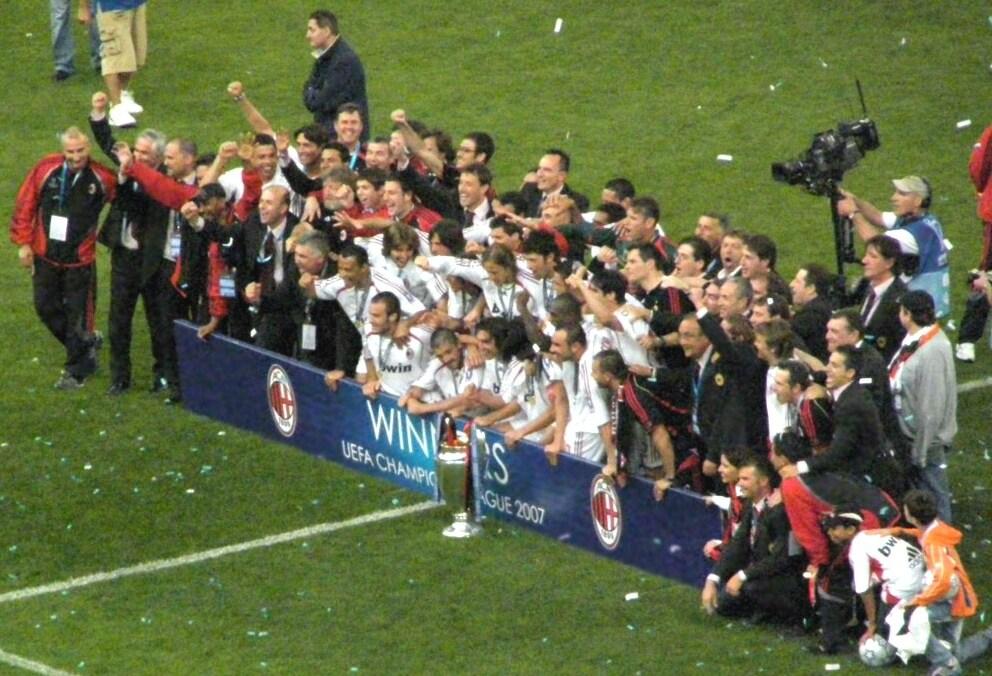
Athens, Monaco, Yokohama
Docked eight points at home for the sins of Calciopoli, Ancelotti's ageing masterpiece answered in the only court it recognised: Athens in May, Monaco in August, Yokohama in December, and Kaká crowned king of the world.
2,328 words · 9 sources
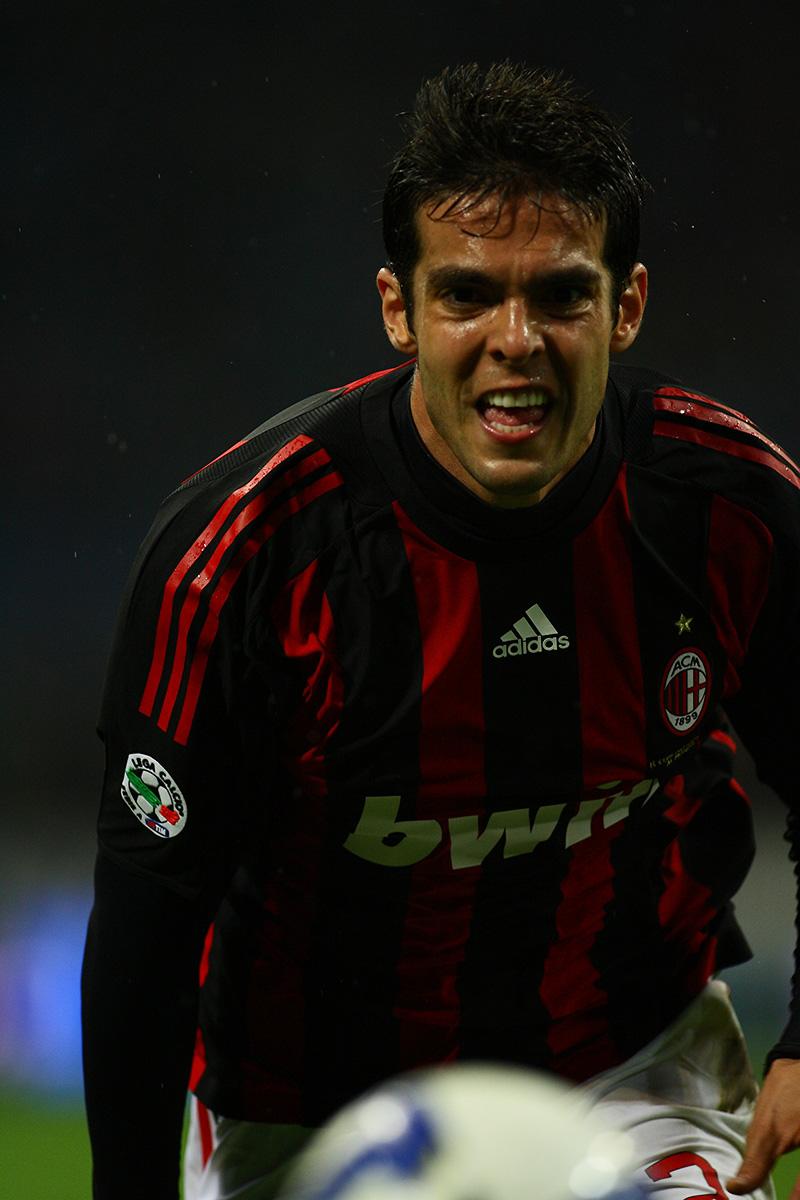
2008
The Tendon and the Smile
Champions of Europe and of the world in 2007, Milan spent 2008 losing a Phenomenon in February, a European crown in March and a certainty in May, and answered, as only this house would, with the most famous smile in football.
2,232 words · 10 sources
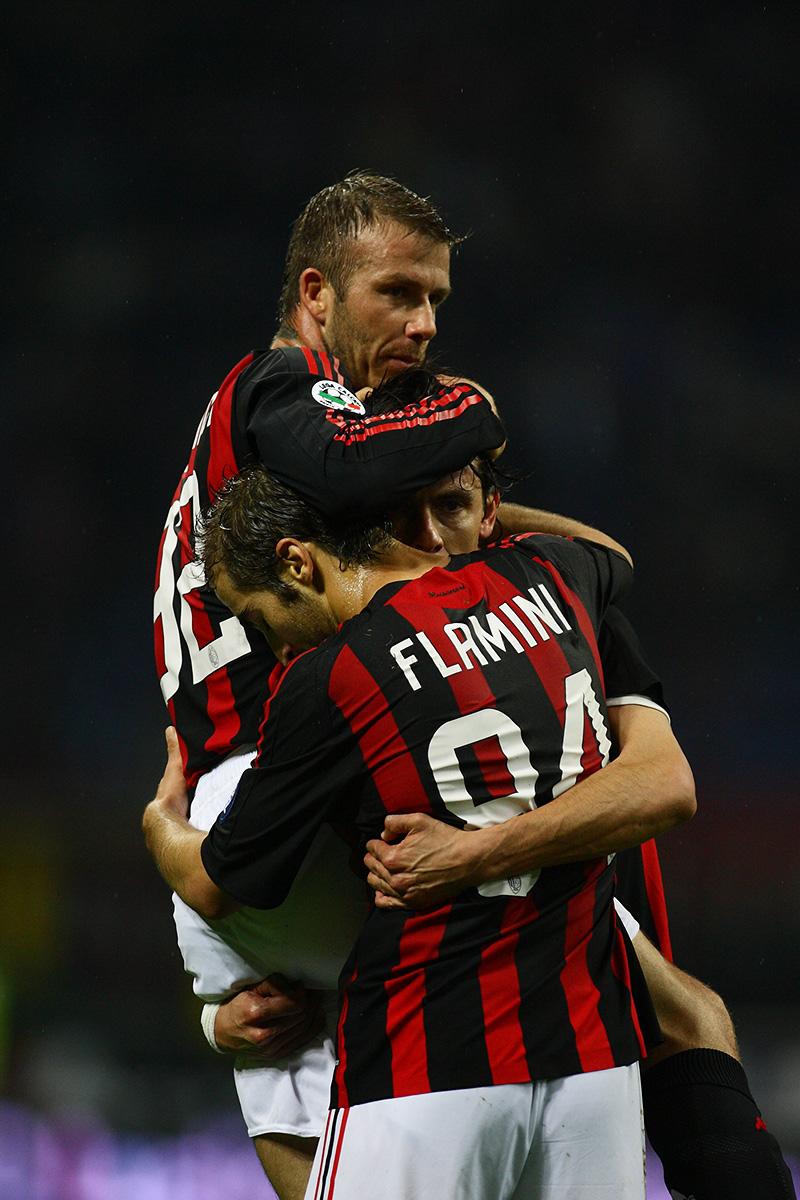
2009
Applauded by the Wrong Crowd
Ancelotti leaves for London, Kaká is sold to Madrid for sixty-five million, and Paolo Maldini walks off after twenty-five seasons to banners from his own curva and a guard of honour from somebody else's: the year the golden Milan was taken apart, invoice by invoice.
2,869 words · 10 sources
2010-2020
Decline and Rebirth
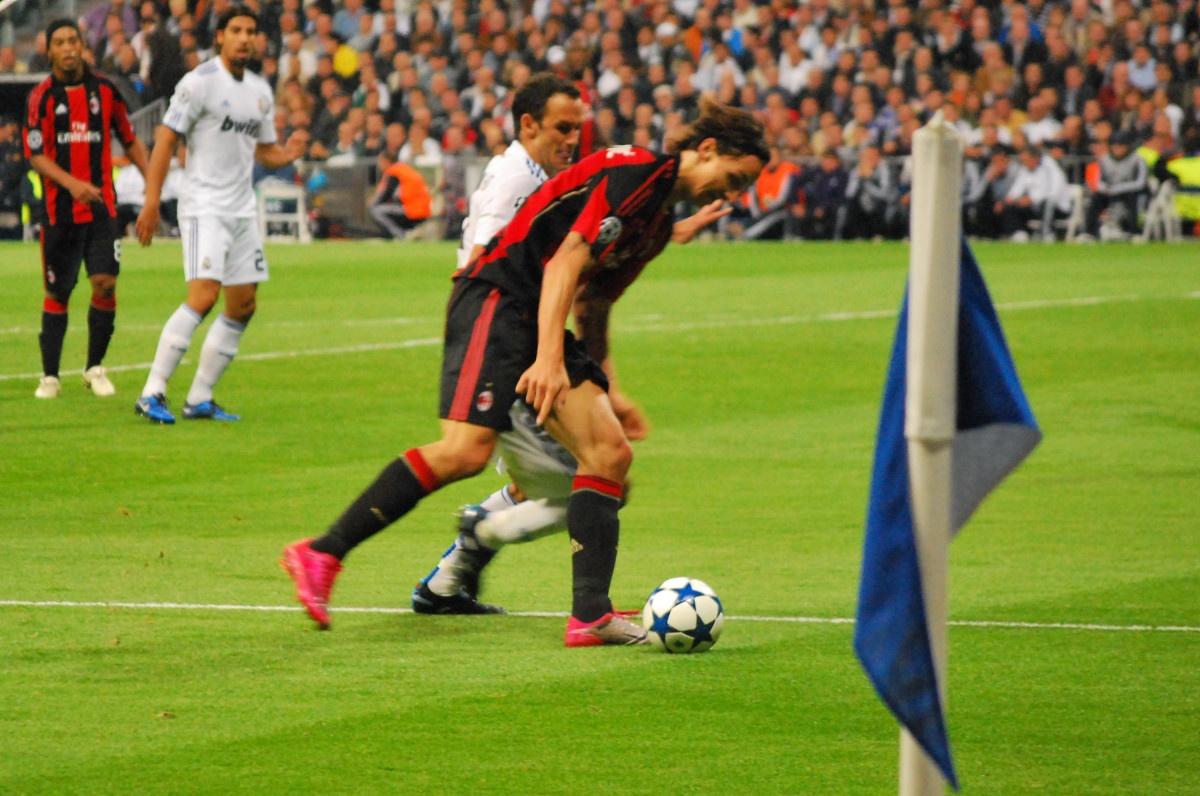
2010
Old Trafford's X-Ray, and the Swede of Late August
Humiliated by Manchester in the spring and eclipsed by Inter's treble, Milan buried an era, signed a Swede in the last days of August, and ended December thirteen points clear of the treble-winners, the 18th scudetto already taking shape in the December cold.
2,205 words · 12 sources
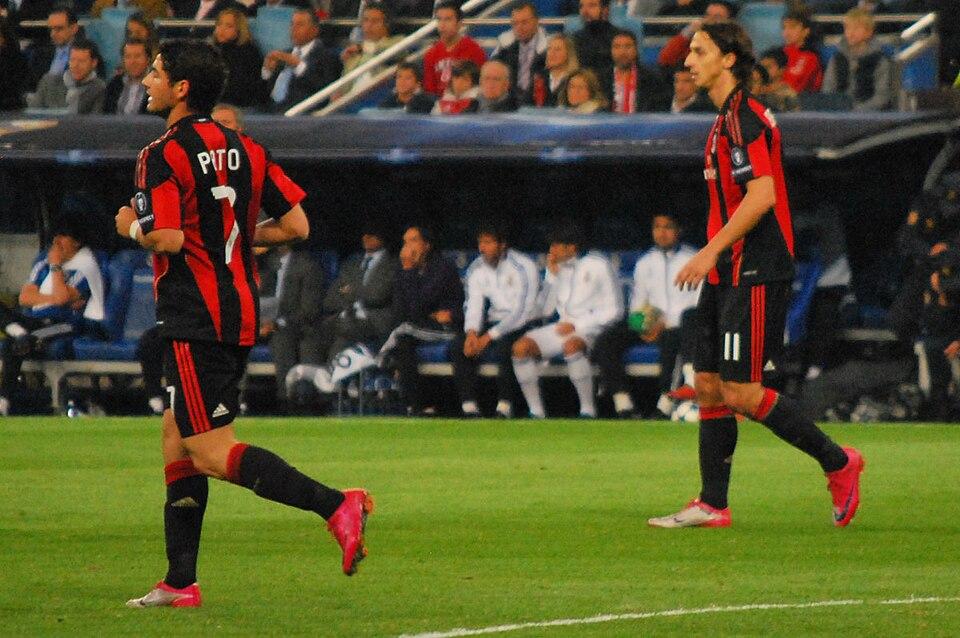
2011
Two Nights in Rome
Allegri's first harvest ends Inter's five-year reign and brings the scudetto back across the city; then a Supercoppa in Beijing, a metronome handed to Turin for nothing, and an October night when Antonio Cassano's own heart betrayed him.
2,188 words · 12 sources
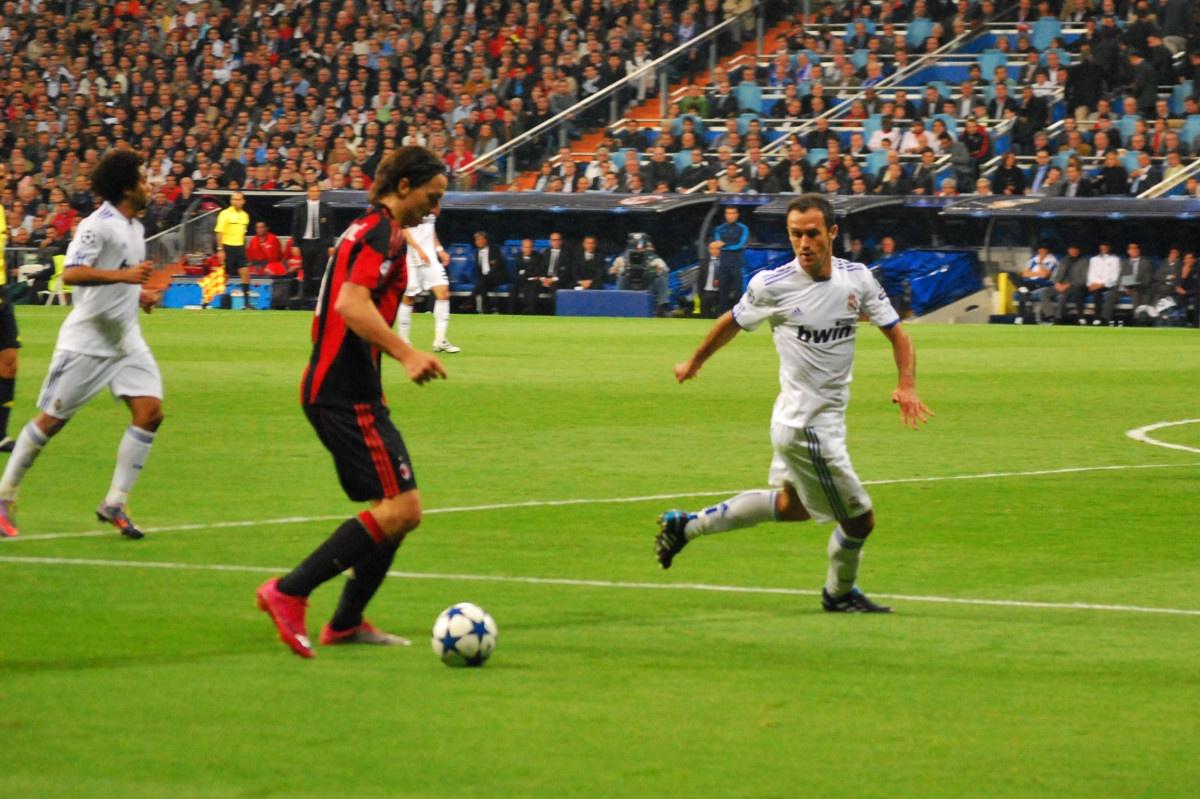
2012
A Sale in July, a Boy in November
Milan defend a title to within four points, put four past Arsenal on a great European night, then sell Ibrahimović and Thiago Silva to Paris and release a whole generation into legend, until a November win over the unbeaten champions of Juventus, and the legs of two young men, light the house again.
2,235 words · 12 sources
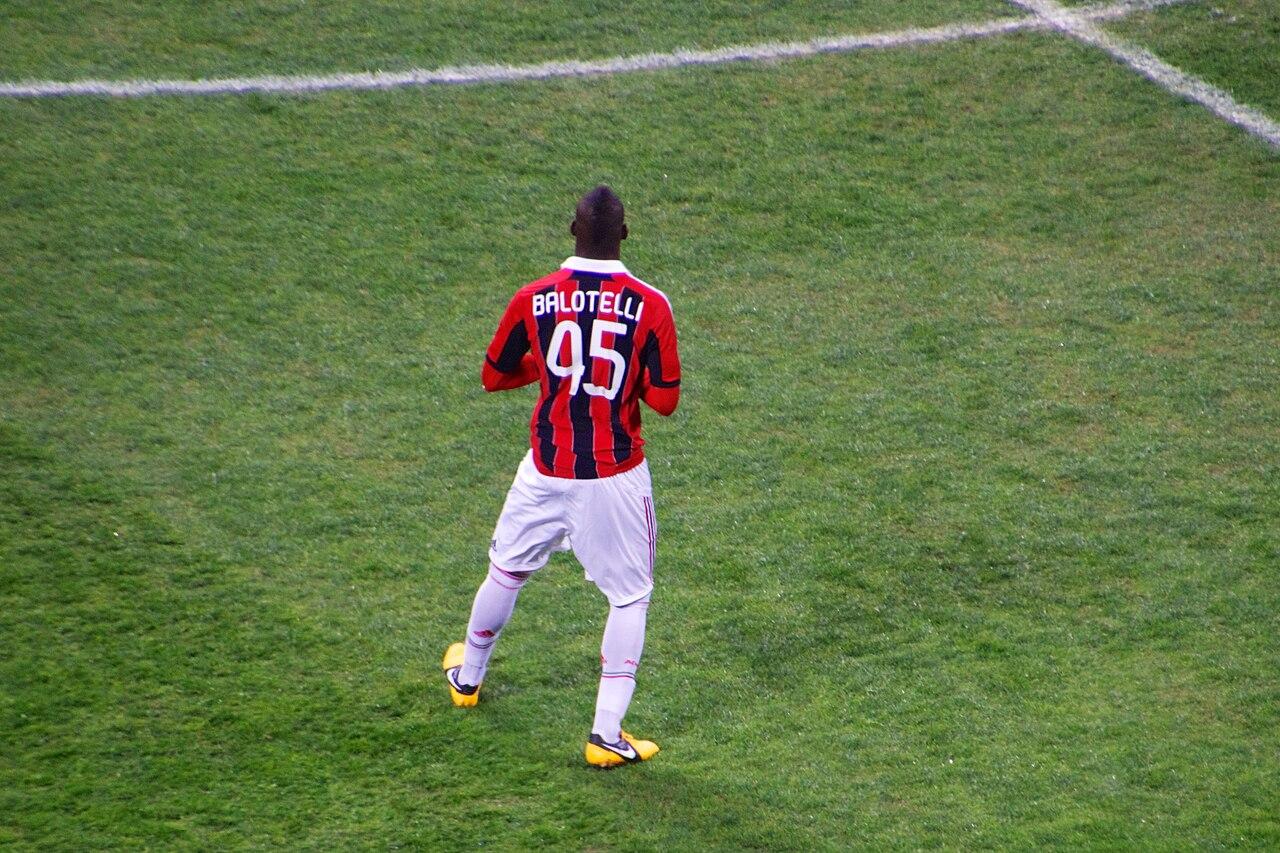
2013
Two-Nil in February, a Signature Before Dawn
A republic of two Popes, two nights with Barcelona, and a homecoming signed in the small hours: from the wreckage of the fire-sale Milan climbed to third place, then slid into an autumn redeemed only by Kaká's return.
2,054 words · 13 sources
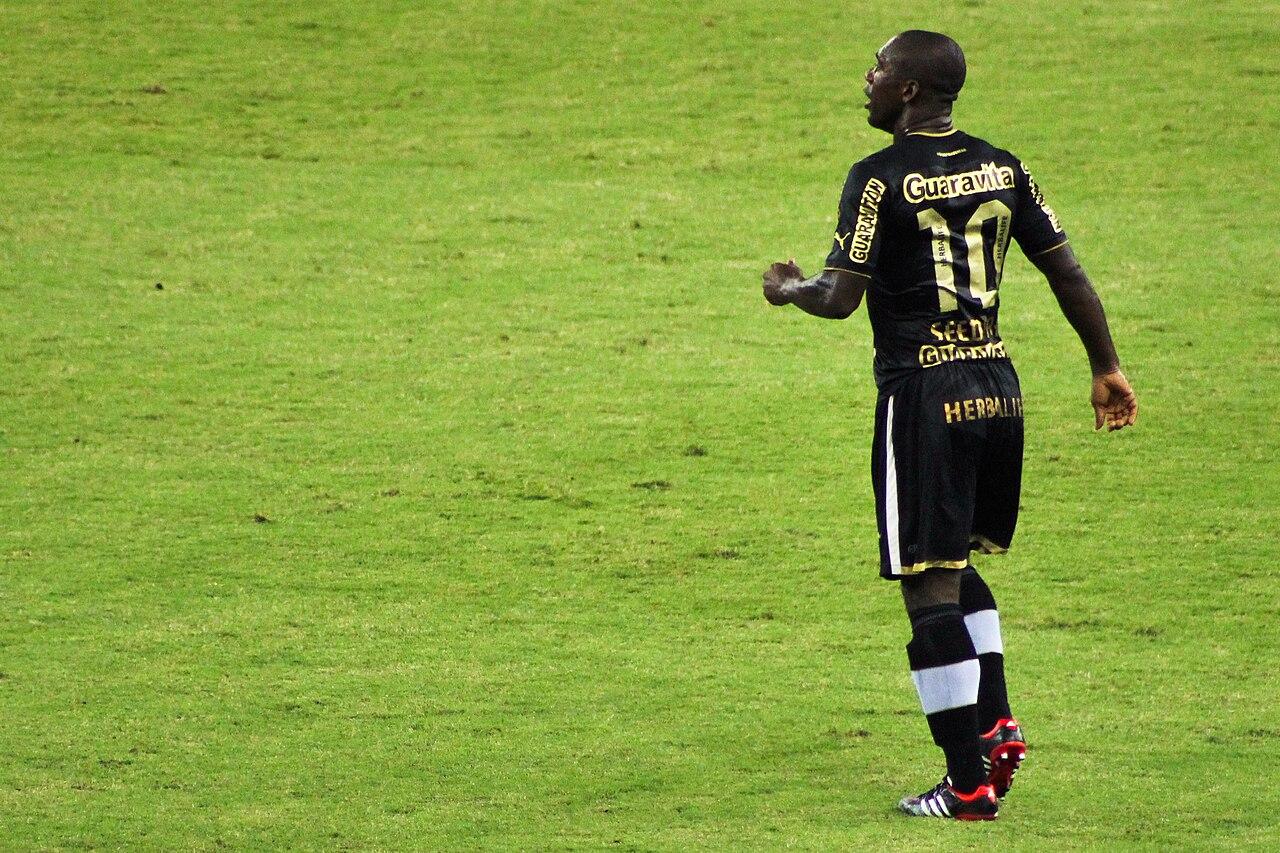
2014
Four Coaches, and a Boy of Nineteen
Allegri sacked after a boy scores four; Seedorf summoned from retirement and dismissed within five months; Inzaghi handed the identical dream; and for the first time since the nineties, no Europe at San Siro. The year Milan tried to pay for its present with the coin of its past.
2,079 words · 10 sources
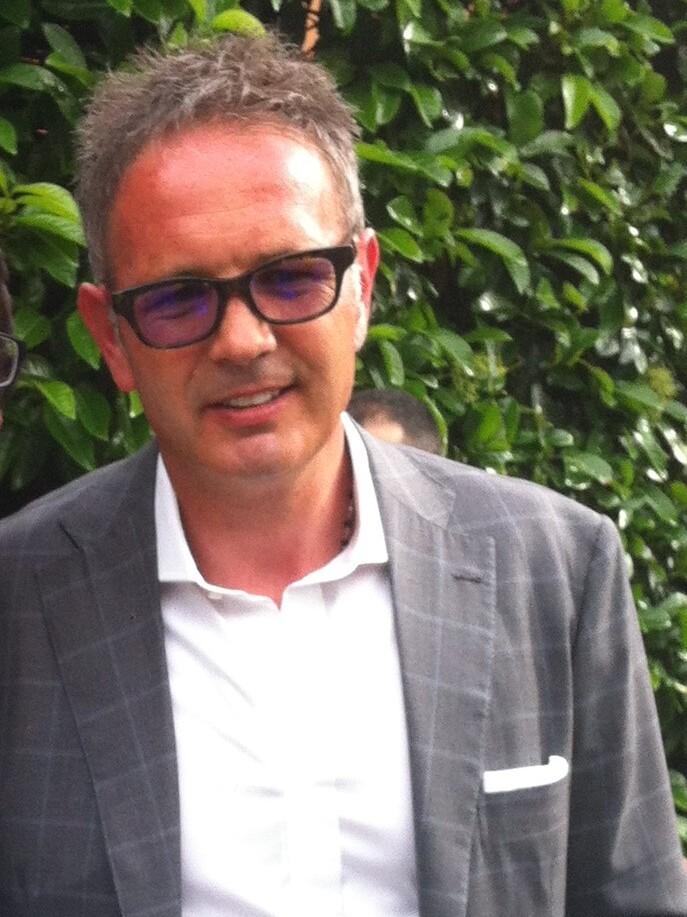
2015
Sixteen Years and 242 Days
Milan the city threw open its gates to the world at Expo 2015; Milan the club wandered mid-table with no European football for a second year, until, on an October afternoon, a sixteen-year-old goalkeeper walked into the San Siro goal and quietly took possession of the future.
2,423 words · 10 sources
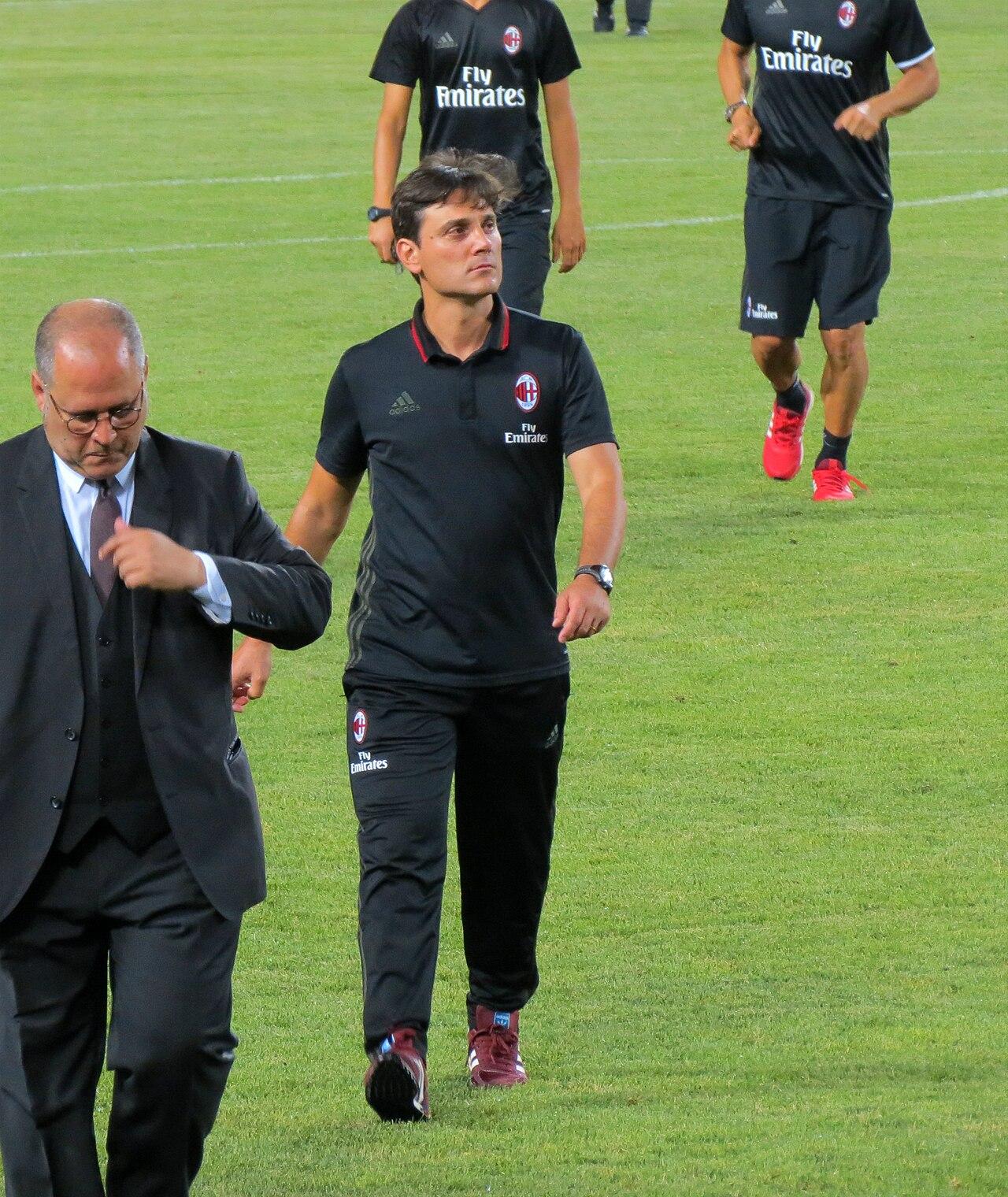
2016
The Notary's Desk and the Doha Night
The year Berlusconi's thirty-year ownership was valued, negotiated and signed away, while a seventeen-year-old goalkeeper, an eighteen-year-old midfielder and a frugal Campanian coach carried Milan from seventh place to silverware under the floodlights of Doha.
2,064 words · 11 sources
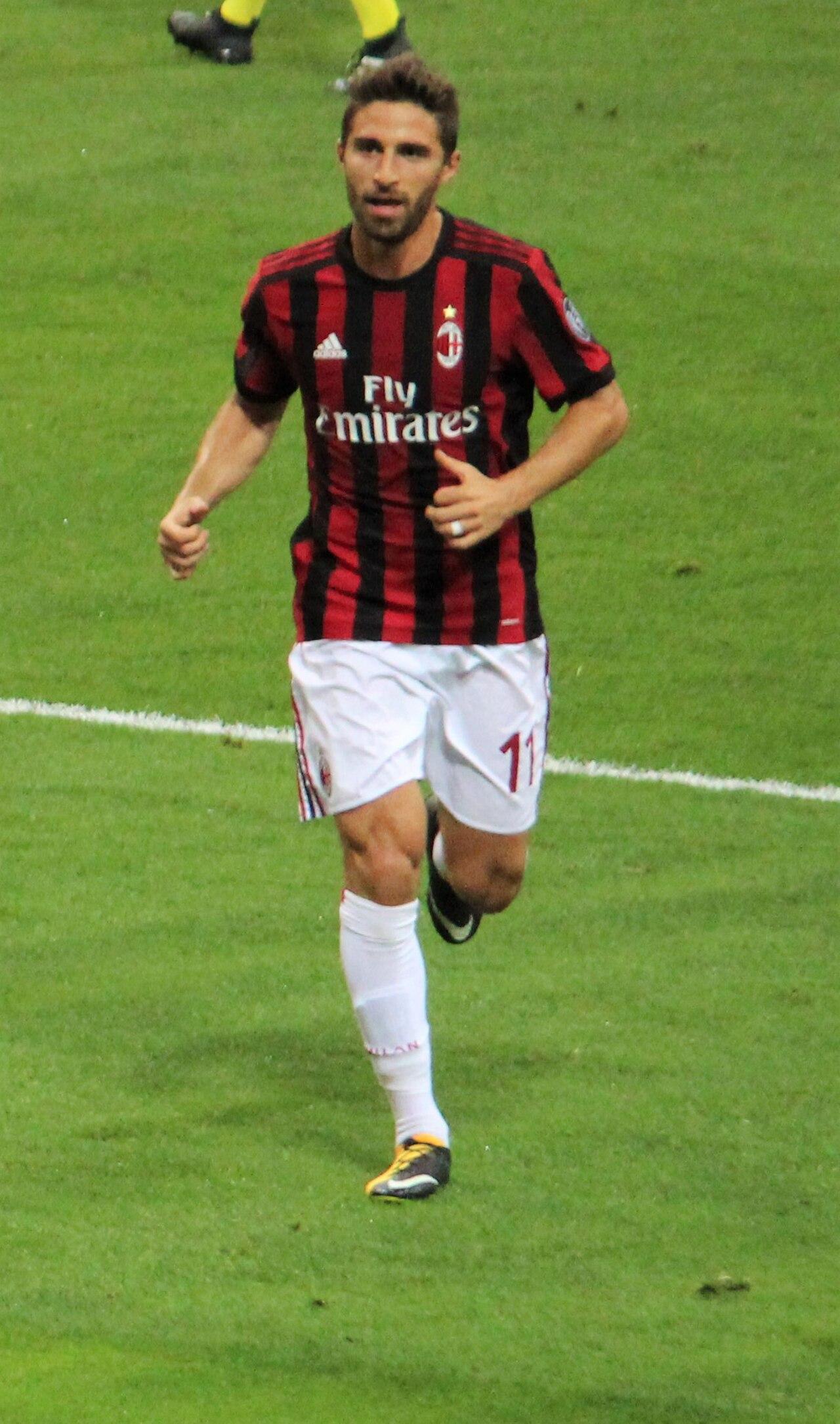
2017
Borrowed Millions, Counterfeit Dollars
Thirty-one years of Berlusconi end with a signature in April; a Chinese owner arrives on borrowed millions; a teenage goalkeeper is pelted with fake banknotes and forgiven; and in the last week of the year, with a favourite son on the bench, an academy boy wins a derby in the 104th minute.
2,401 words · 14 sources
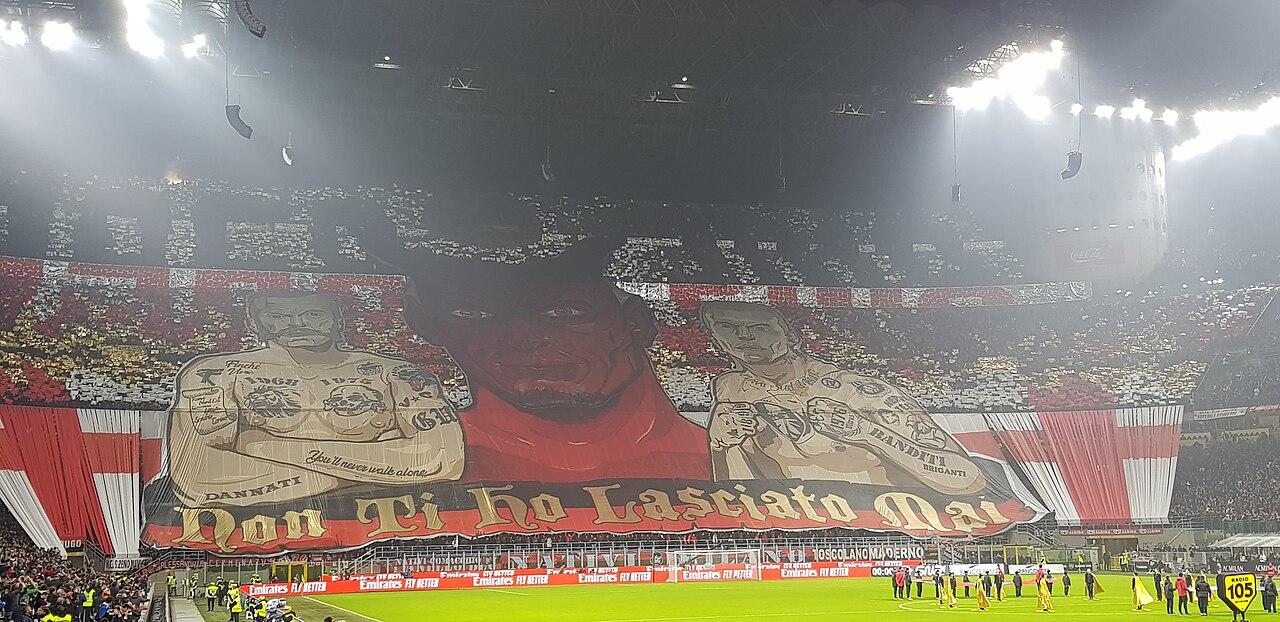
2018
The Foreclosure and the Homecoming
A hedge fund forecloses on a fantasy, Maldini walks back through the door at Milanello, and Gonzalo Higuain rages against the club that threw him away: the year the long rebuild truly began.
2,192 words · 11 sources
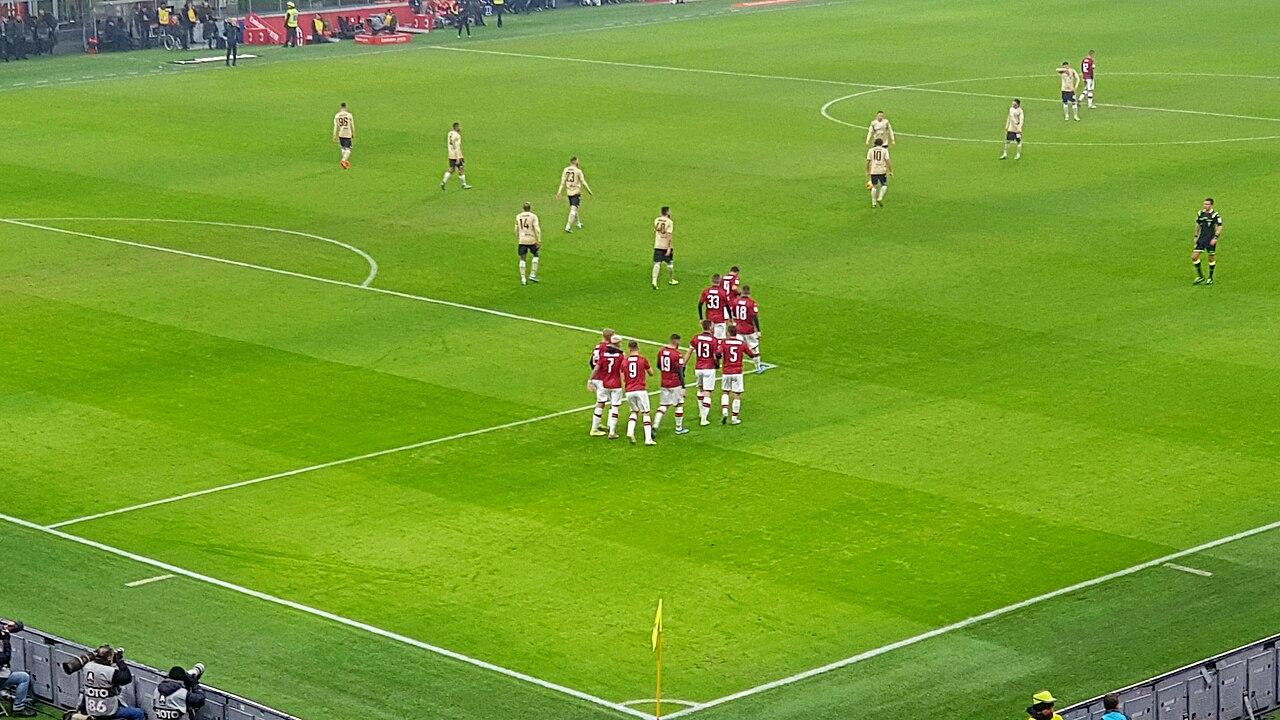
2019
Fifth Place Bought Nothing
A fifth place that bought nothing, a coach who handed back his money, a Financial Fair Play sentence, two derbies lost without appeal and five bells tolling in Bergamo, and then, in the last week of a wretched year, Zlatan Ibrahimović turned his ship toward home.
2,269 words · 11 sources
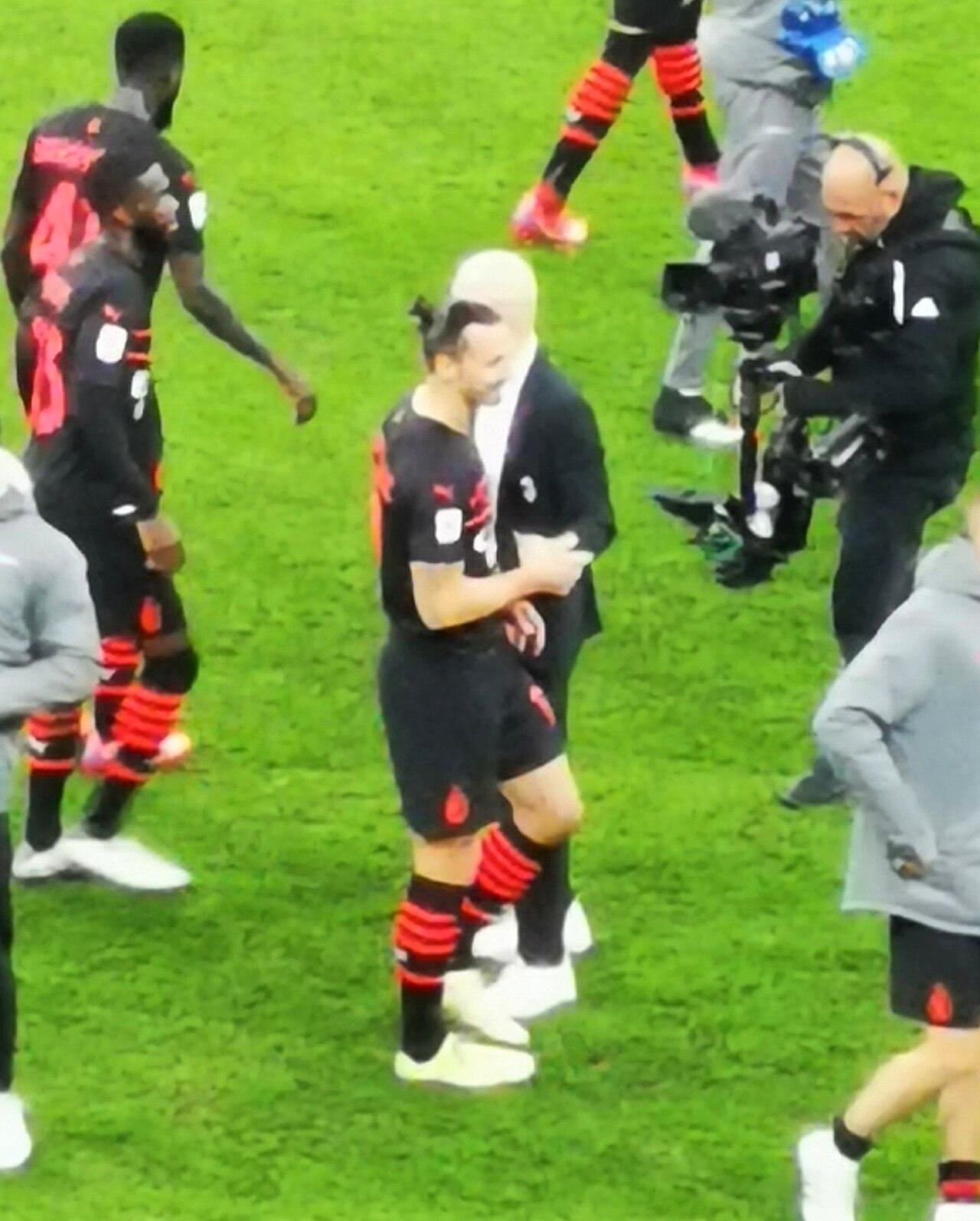
2020
Resurrection Behind Locked Gates
The pandemic bolted the gates of San Siro; behind them an old corsair, a coach hired as a stopgap and a crew of boys hauled Milan out of a lost decade and to the top of Serie A by Christmas.
2,434 words · 13 sources
2021-2026
The New Rossoneri
2021
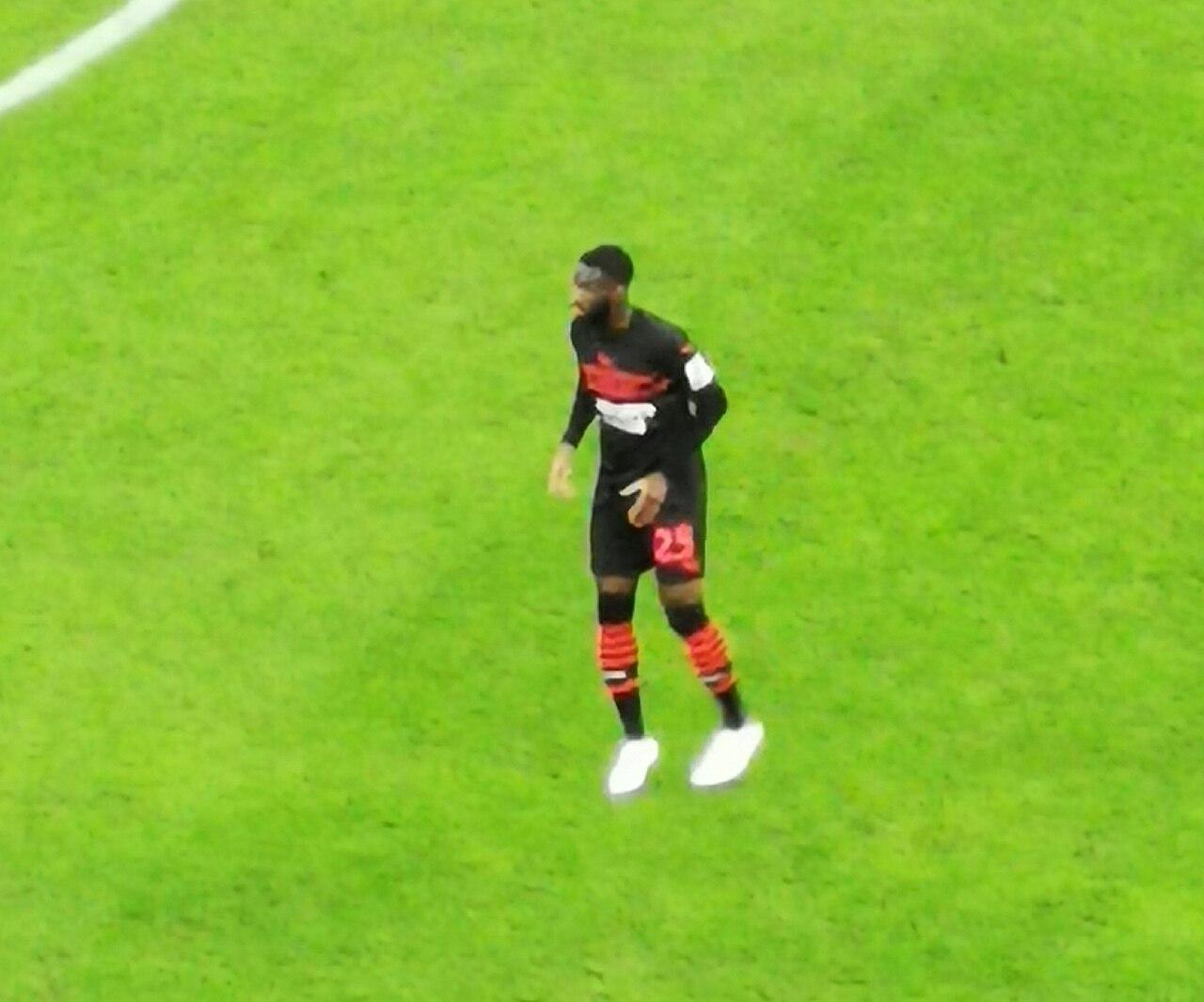
The Price of Readmission
Milan return to the Champions League after seven seasons of exile, lose the boy who kept their goal for nothing at all, and close the year as chasers, four points behind Inter, in a race they would win the following May.
2,493 words · 12 sources
2022
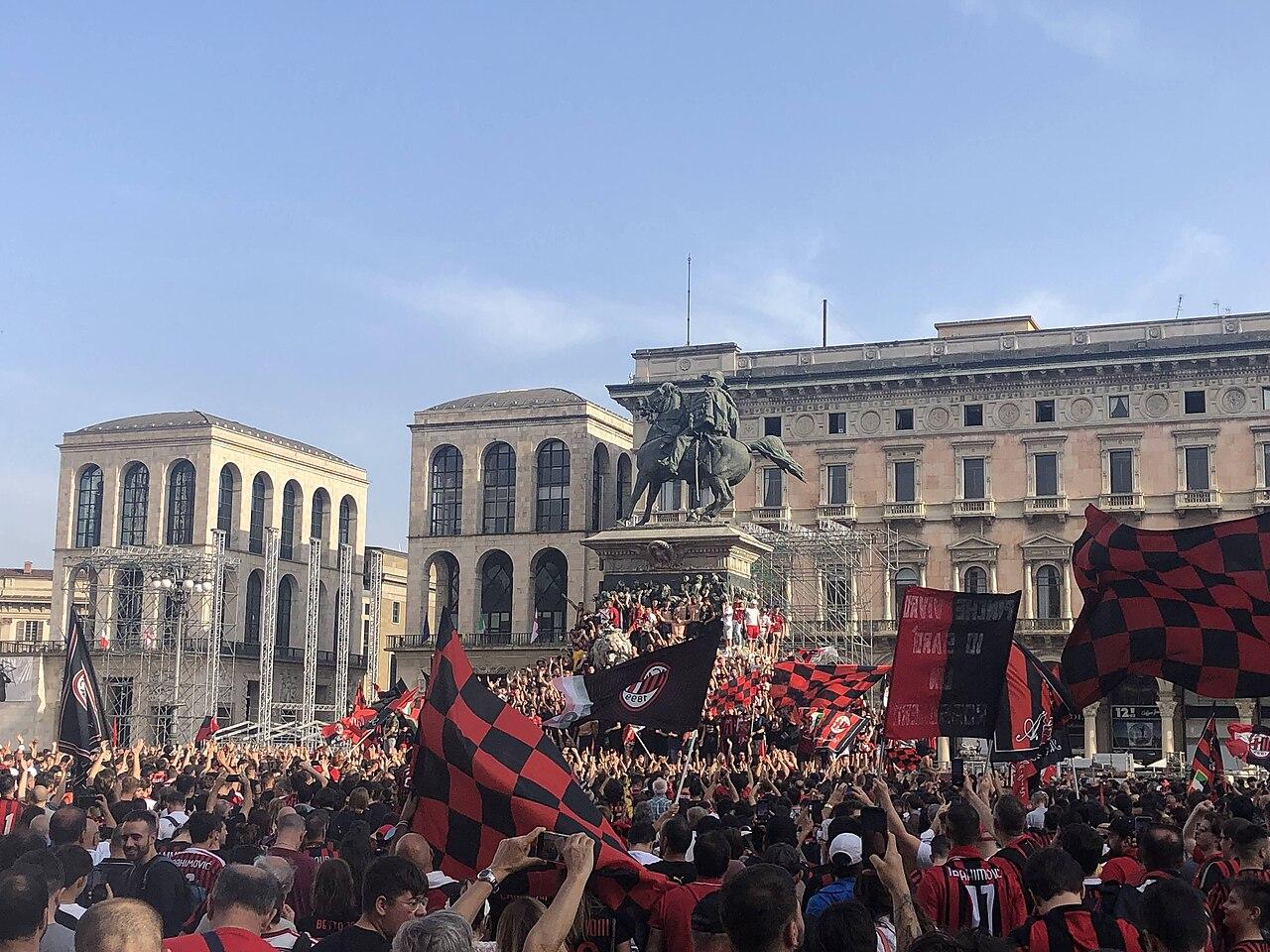
A Shield, and the Knee Beneath It
Eleven years after their last title, Pioli's young Milan take a club-record 86 points and a nineteenth scudetto, won, it later emerged, on the ruined knee of a forty-year-old Swede, before RedBird's millions and a derby-winning autumn open a new era.
1,962 words · 9 sources
2023
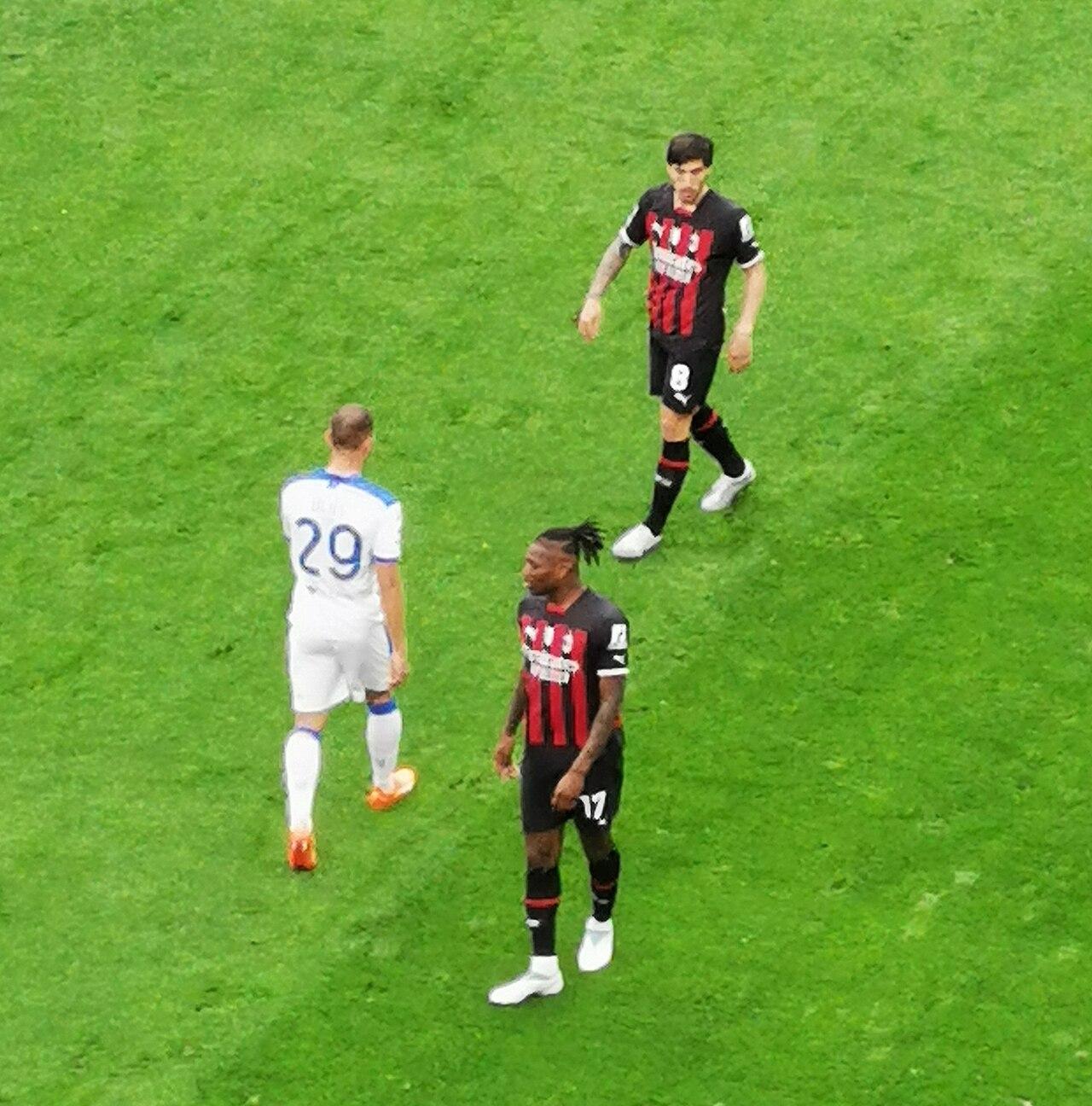
Five Derbies, a Funeral, and the Boy from Lodi
Milan reached a Champions League semi-final for the first time since 2007 and found Inter waiting behind the door; then came June, which retired Ibrahimović, dismissed Maldini, buried Berlusconi, set Tonali on the road to Tyneside, and left a new club standing where the old one had been.
2,607 words · 18 sources
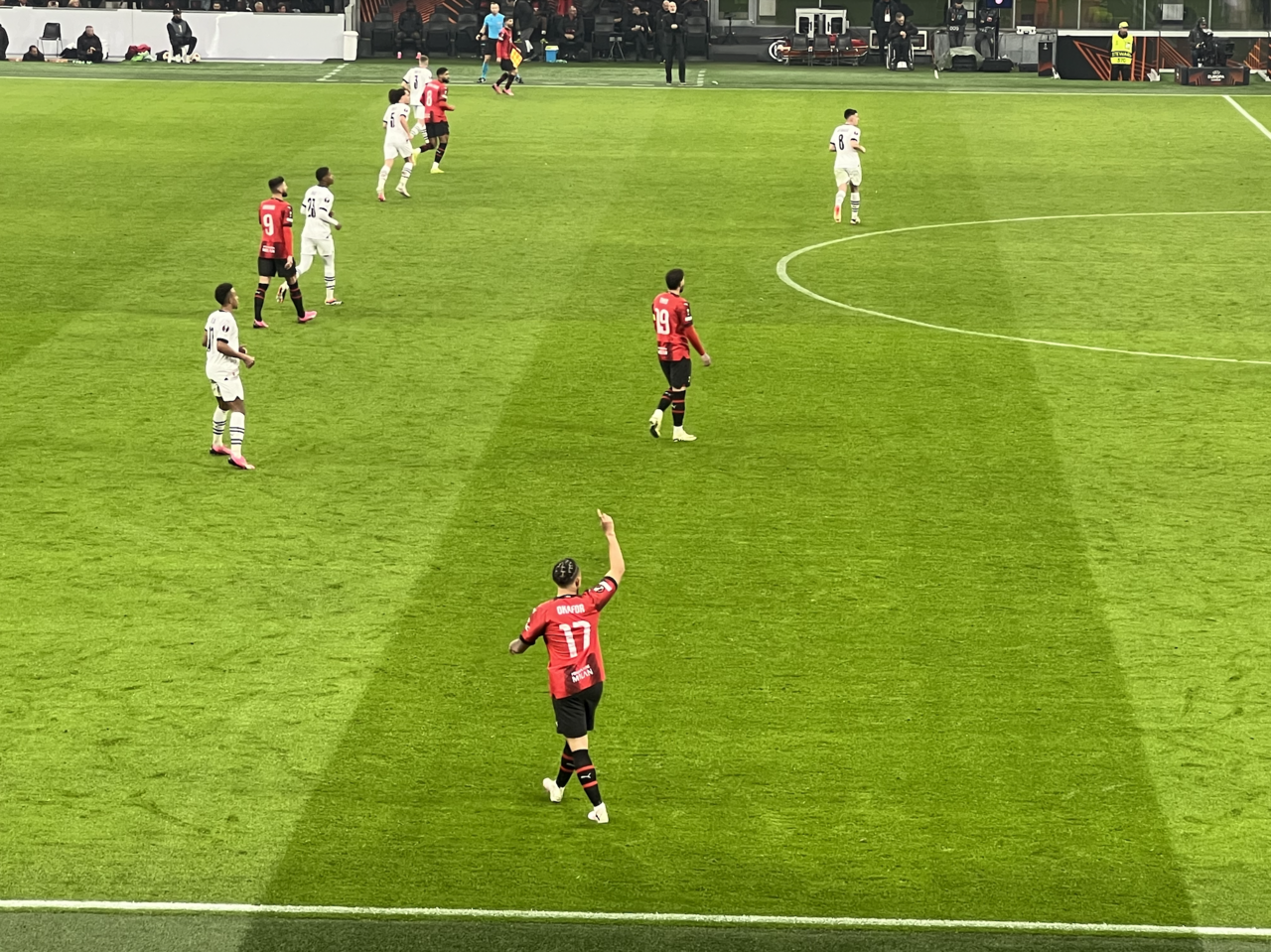
2024
The Last Supper, and the Southern Cross
Pioli and Giroud bowed out, Inter took a twentieth title on Milan's own grass, and Fonseca rose and fell inside six months, while between the endings the Diavolo carried its goodbyes all the way to Perth and its defiance all the way to the Bernabéu.
2,685 words · 9 sources
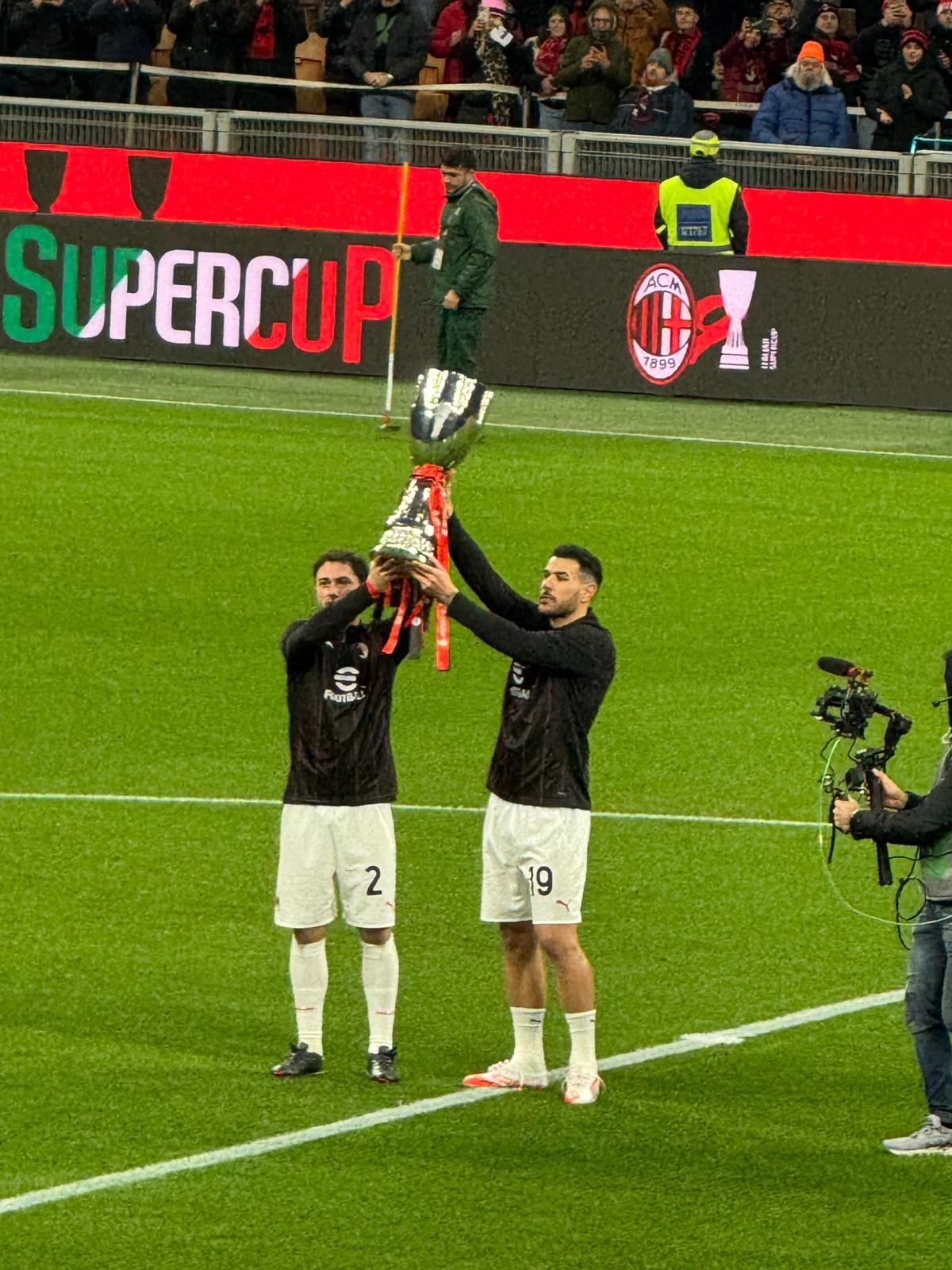
2025
A Trophy in the Desert, a Watchmaker for Nothing
A Supercoppa taken from Inter two goals down in the Riyadh night; then Europe drowned in the Rotterdam rain, a Coppa Italia final lost in Rome, eighth place and no continent at all. And then the rebuilding: Tare, Allegri recalled, Modrić for nothing, nine goals in Perth, and a derby won with a rebound and a save.
2,687 words · 11 sources
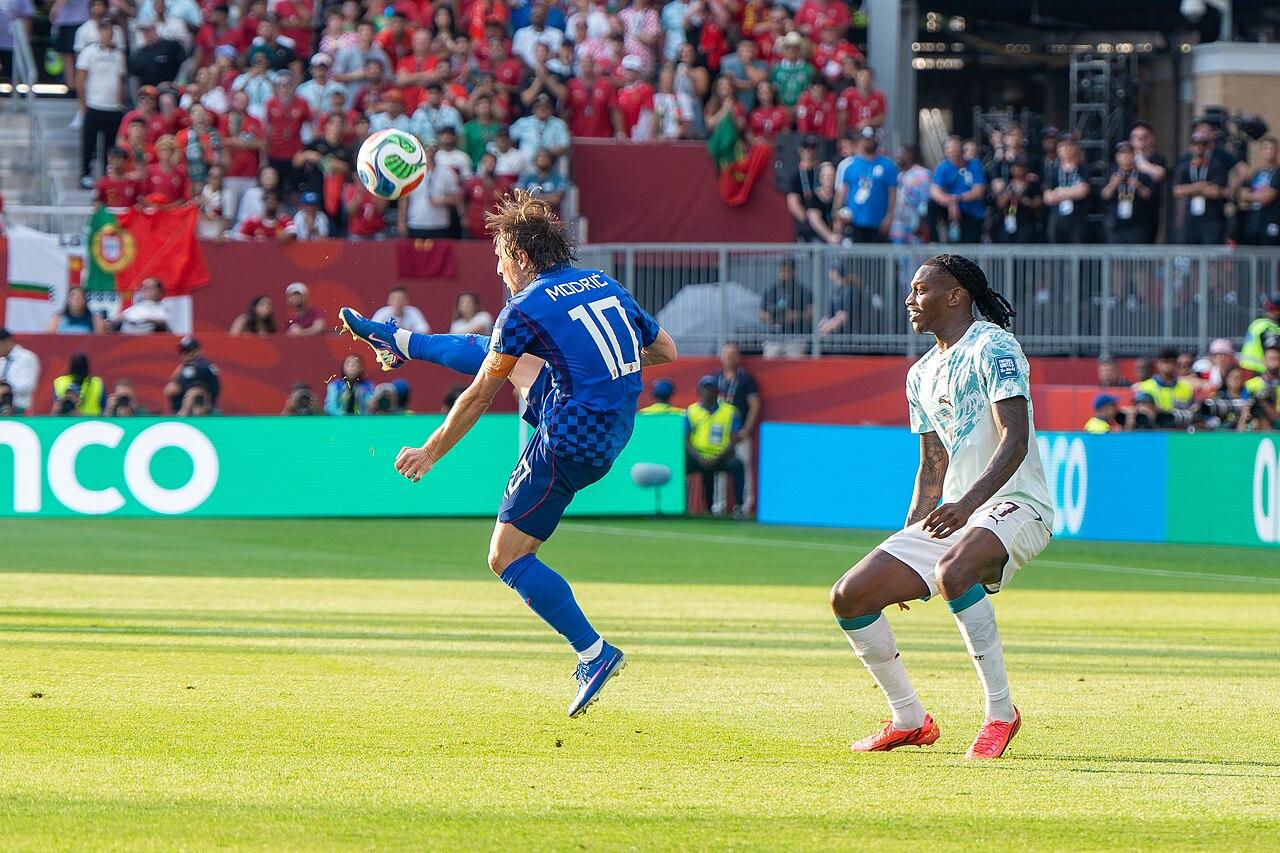
2026
The Number Six Under Southern Skies
Allegri's second coming, Modrić's fortieth year, a derby double over the champions, and then a nine-point cushion spent game by game until, on the final afternoon against Cagliari, the Champions League went by a single place; and a July that took Franco Baresi, mourned five days later by both Milans on a field in Western Australia.
3,208 words · 30 sources
How these are written
Each chronicle is researched from season records, club archives and contemporary accounts, written long-form in the tradition of Gianni Brera, then independently fact-checked before publication: any claim that can’t be verified is cut, never guessed. Photos are free-licensed (Wikimedia Commons), credited beneath each image. Spot an error? Tell us on the contact page and we’ll correct it.